This is my entry for November’s IndieWeb Carnival on the topic of “Where you at?”, hosted by Anthony Nelzin-Santos. I’m a fan of his blog.
Where I’m at physically and mentally is in the “Midtown” part of Toronto. Come along with me as we explore some stories from my neighbourhood:
- Bulletproof Cafe Theory – can’t touch this
- The Angry Baker – one weird trick your customers hate
- Betrayed – would you become a swindler to protect your family?
- Ungenerous – so fortunate, so small-hearted
- Ravines – a nature escape, a fortunate man with a big heart
- Cemetery – connections to history and a modern tragedy
- Sculptors – oh, it had always been this way
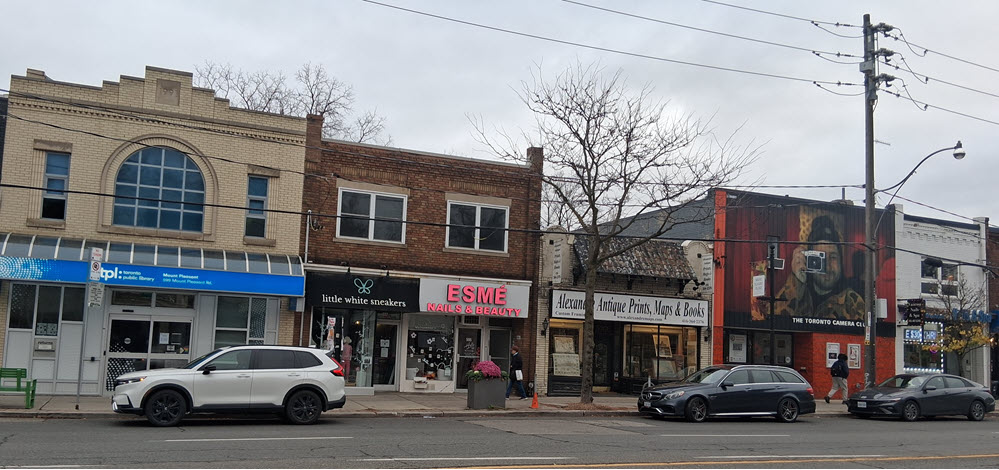
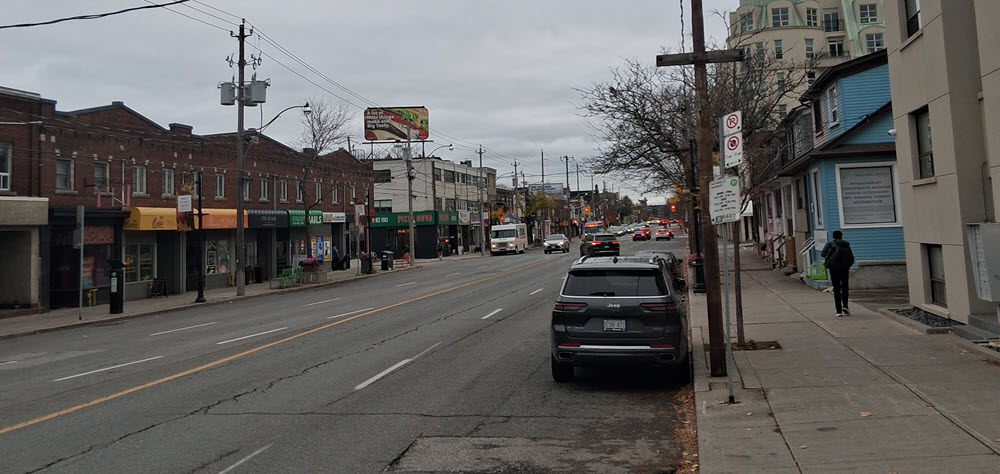
I live in Midtown Toronto. We moved here from Downtown about a year before the Pandemic hit. I always joke that nothing ever happens here. The picture above shows the main strip, Mount Pleasant Rd., on a Monday: most stores here close on Mondays – and some even on Tuesdays! Kinda like we’re all living in a small village.
What keeps this humdrum neighbourhood interesting is seeing my own personal story play out here, in parallel with that of my current neighbours and those who lived here in the past.
Bulletproof Cafe Theory
When we first moved here from lively Downtown, I was depressed. I felt like a young man living in a retiree community.
One of the bright spots in my world was a fantastic cafe called “Istanbul”. The coffee was very good. And the ambiance too: epoxied wooden tables, beautiful Turkish gourd lamps and – oddly – great K-Pop on the speakers1.
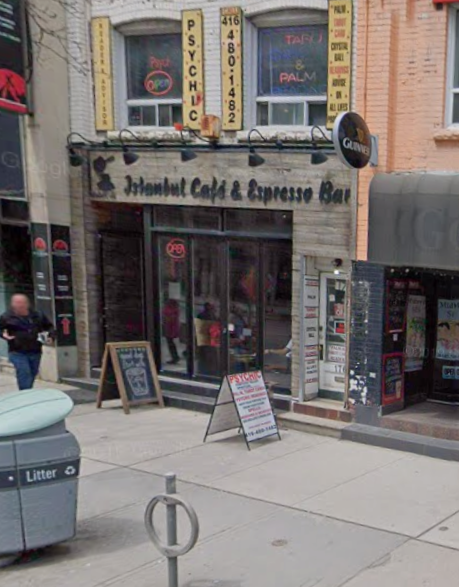
I would often escape to Istanbul between Zoom meetings at my old job, which I couldn’t stand anymore. I’d sip coffee, eat fantastic muffins and watch people pass by on the street. Letting the time drag2.
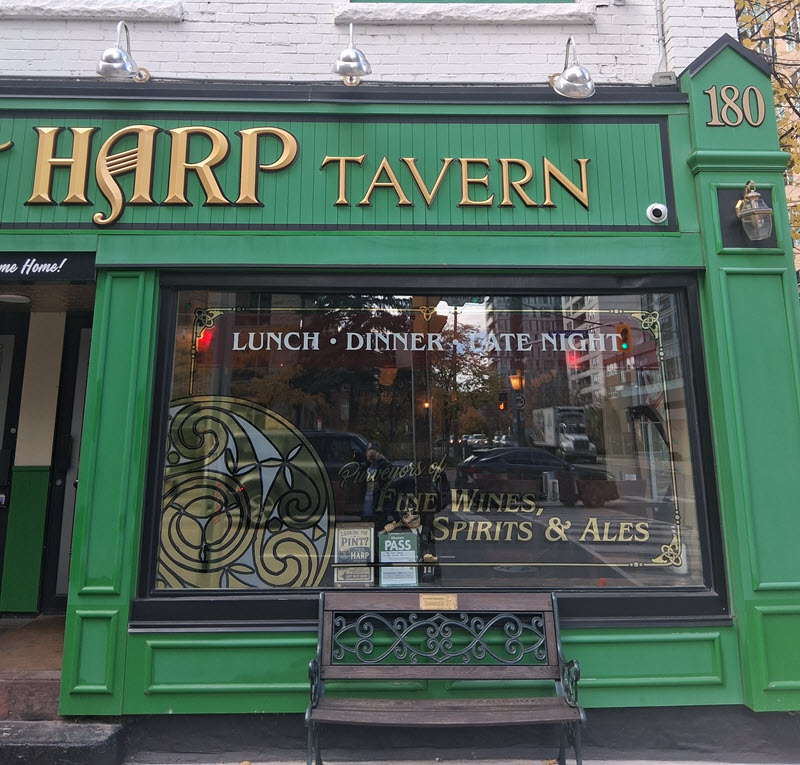
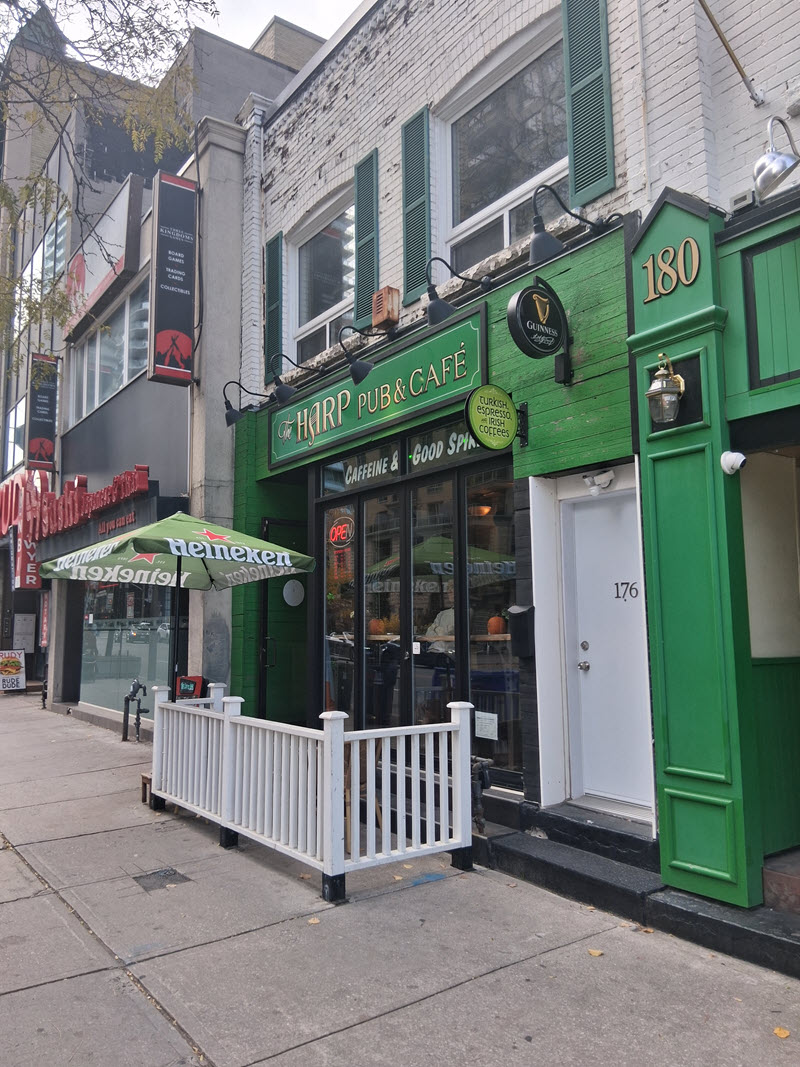
Then, a change. The cafe got bought by a new owner – alongside the pub next door. The cafe stayed open while the pub closed for renovations. It would be 4 years of renovations before it became a… pub. The new pub’s name is the “Harp Tavern”:
Meanwhile, next door, the wonderful Istanbul Cafe sat unloved. First they replaced the baked muffins with industrial ones from the store. Then the quality of the coffee fell: at the beginning, every barista’s coffee was good. Then there were only two who made it well. I wouldn’t enter if they weren’t on duty. Then it was just the one. Then none.
The new owner’s passion was beer rather than coffee. And it showed.
Slowly Istanbul transformed into the Harp Pub & Cafe:
This slow decline pushed me to explore the other cafes in the neighbourhood. There are many of them:
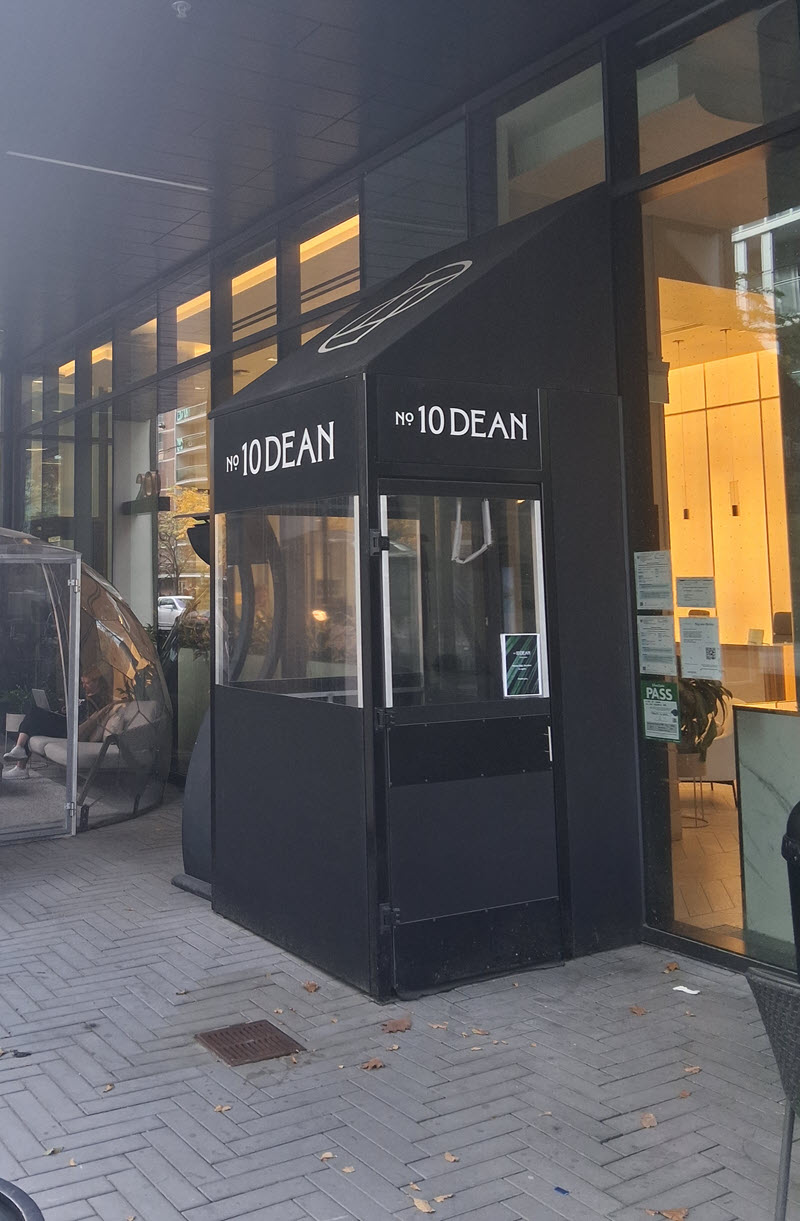
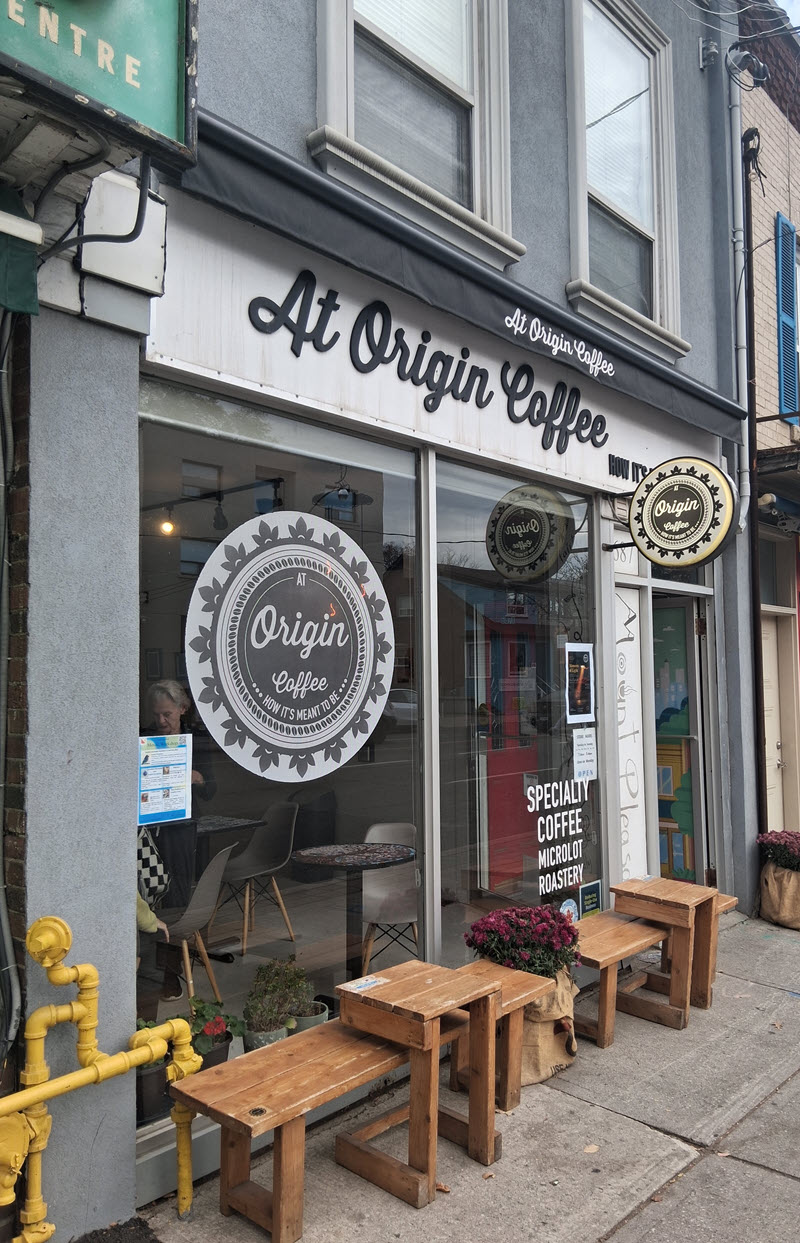
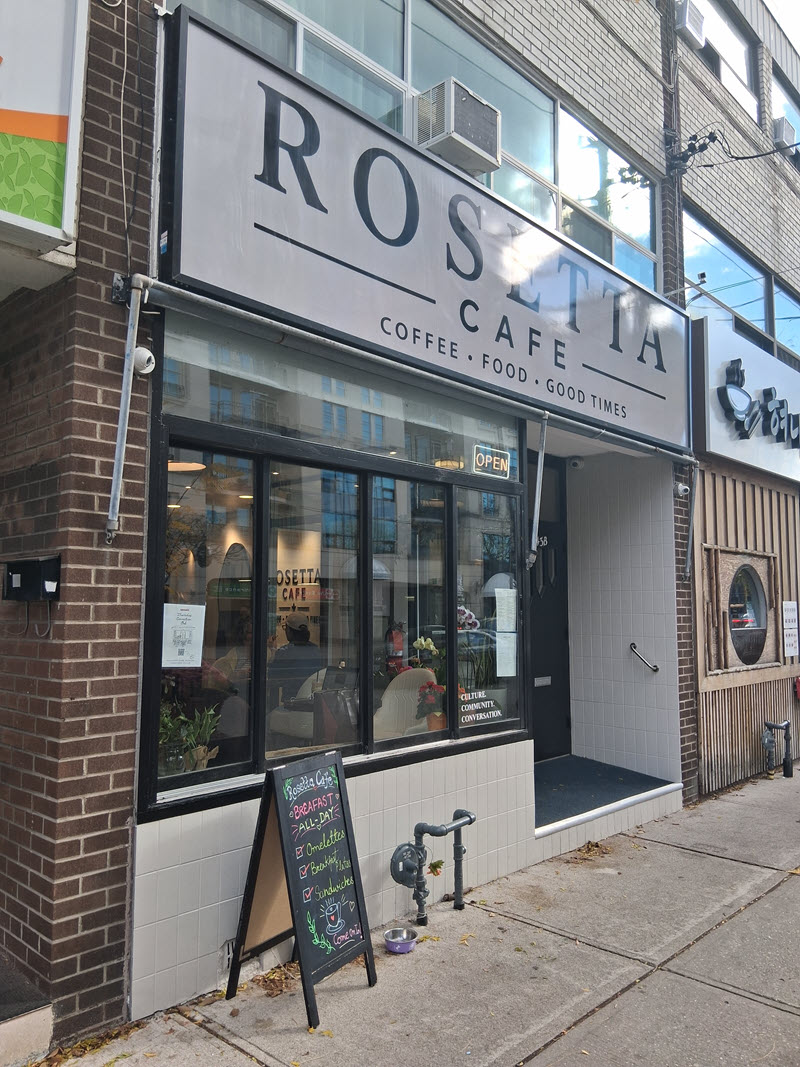
Mind you, I’m not including bad cafes like Starbucks. Those are like black lacunae in my mental map of the area. Antimemetic.
I really enjoy visiting cafes. A few years back, we bought a home espresso machine with the goal of saving money. I just kept going to cafes and making coffee at home. Oh how fate laughs at us!
During and after the Pandemic, I observed a pattern with these cafes that I call Jacob’s Bulletproof Cafe Theory.
The theory goes:
No cafe in Toronto will ever shut down for natural or unnatural reasons. You’d have to do something truly heinous for your cafe to close.
Every single cafe survived the pandemic. I haven’t seen one close in the 7 years I’ve lived here. And, trust me, there are some stinkers.
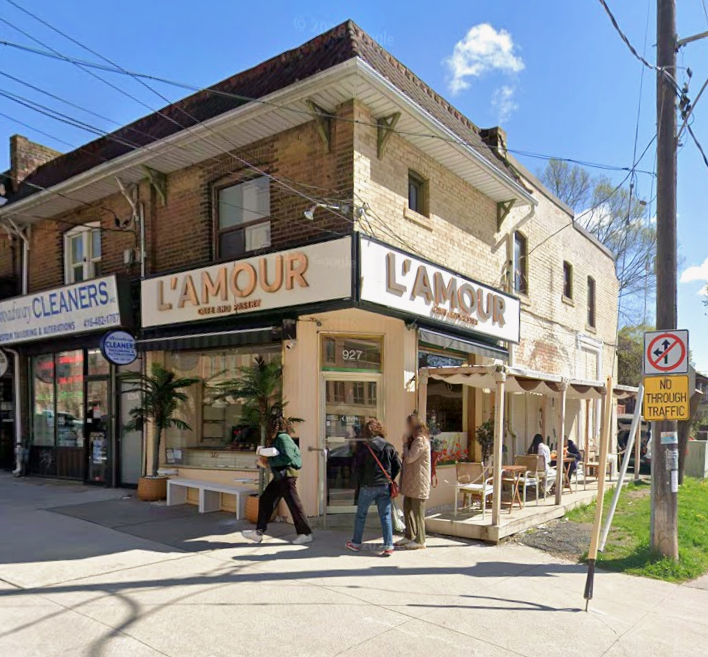
A cafe owner could make every misstep and still be bulletproof. For example: when L’Amour Cafe first opened, the proprietors finished construction; opened for a couple of weeks and promptly left for a monthlong vacation to decompress!
If I ran that coffee shop, I’d be busting ass until the business was stable. But – joke’s on me – I’ve never run a bulletproof business so my intuition is wrong! L’Amour has since become very popular. For well-earned reasons.
The one counterexample to my theory is a cafe called “The Social Blend”. They were selling coffee and macarons. I’ve gone there just once – it was overpriced and not cozy. After five years in business they got in arrears with rent, and were shut down by the landlord. On its spot there later opened a hair sal – SIKES! – there opened a cafe called “Blackwolf”. Selling coffee and macarons.
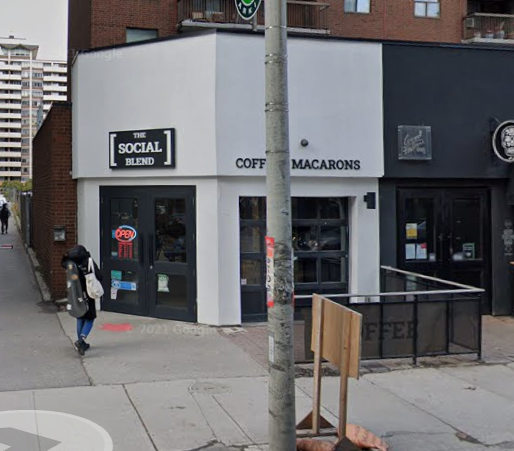
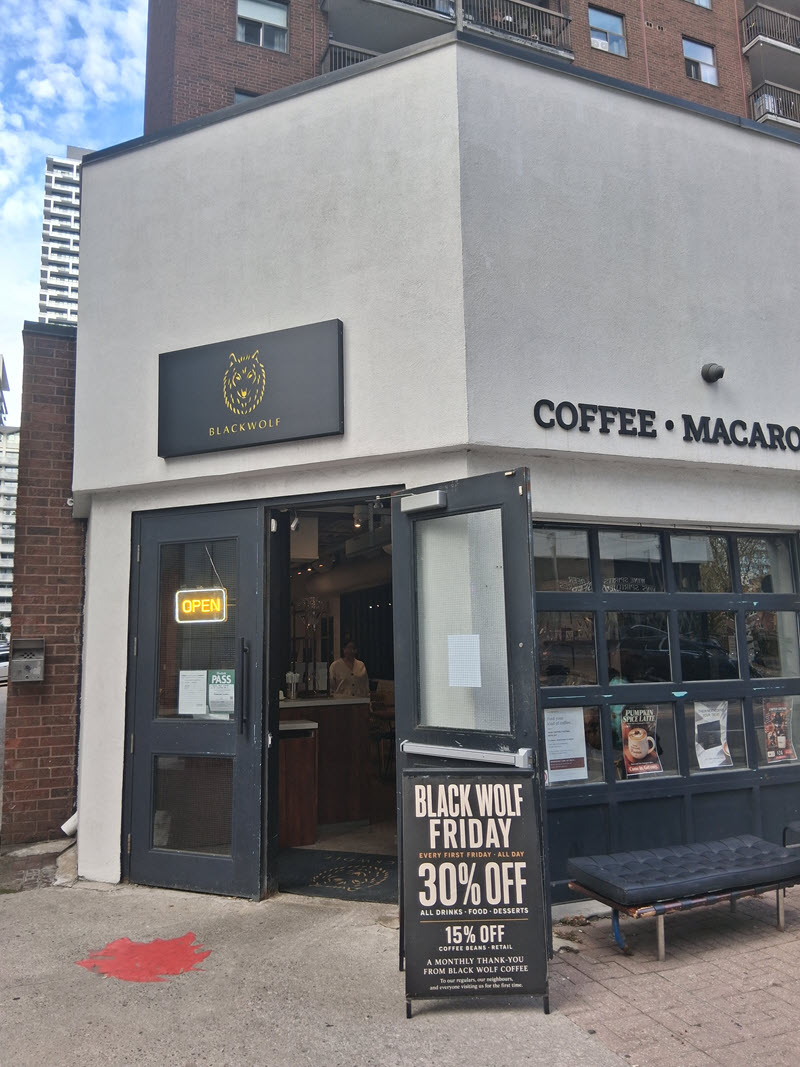
Bulletproof businesses I tell ya.
The Angry Baker
And all of the bakeries in the neighbourhood also serve coffee. Actually, one of them is both my favourite cafe and my favourite bakery.
I spend a lot of time at bakeries because I’m not just a coffee addict, I am also addicted to croissants. There are a couple of secrets to running a neighbourhood bakery. If only my Angry Baker would listen. Let me tell you the story:
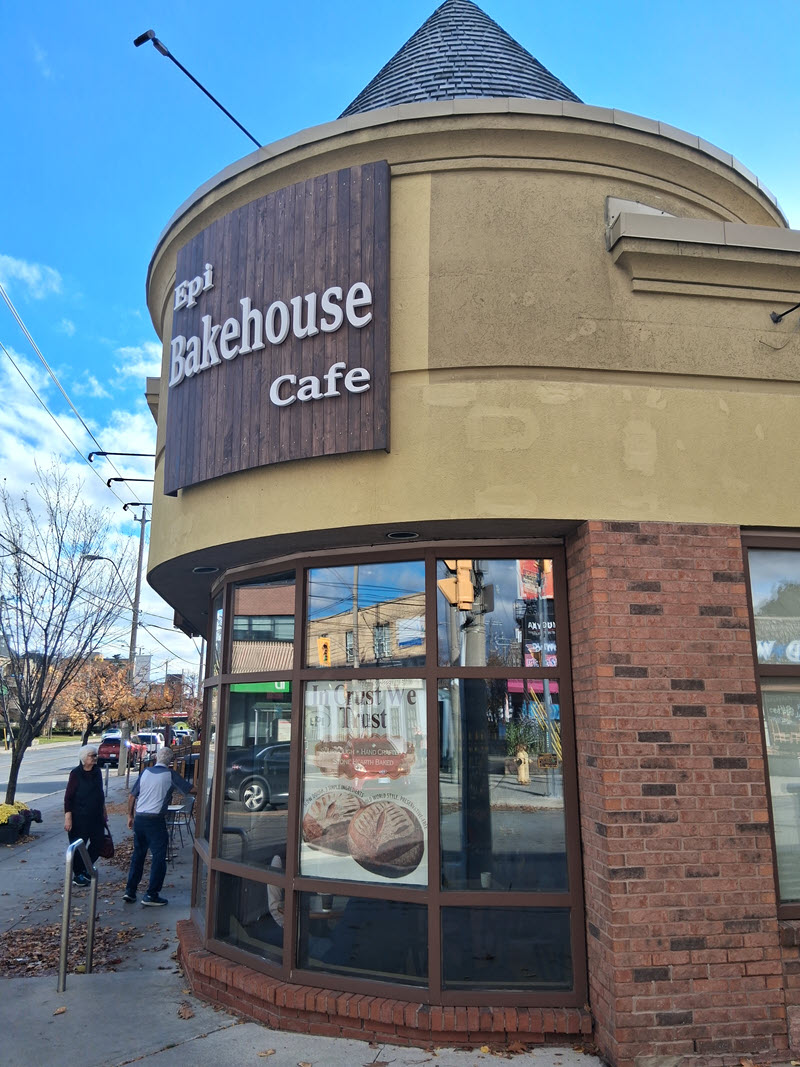
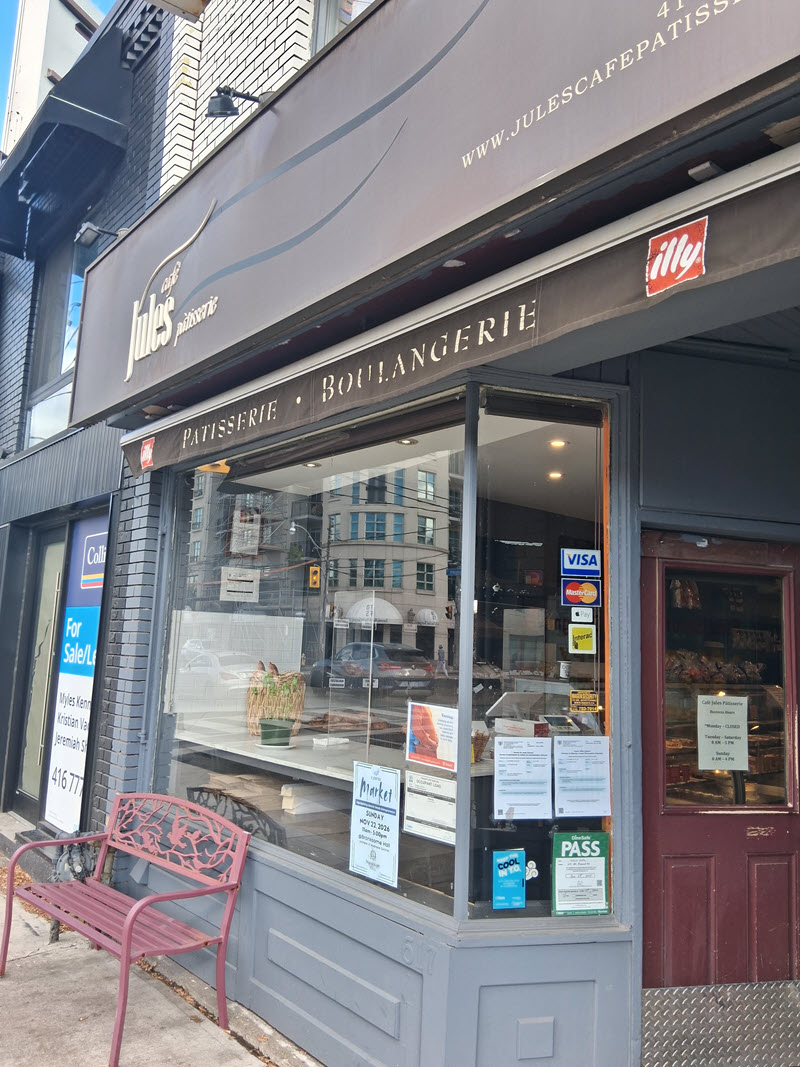
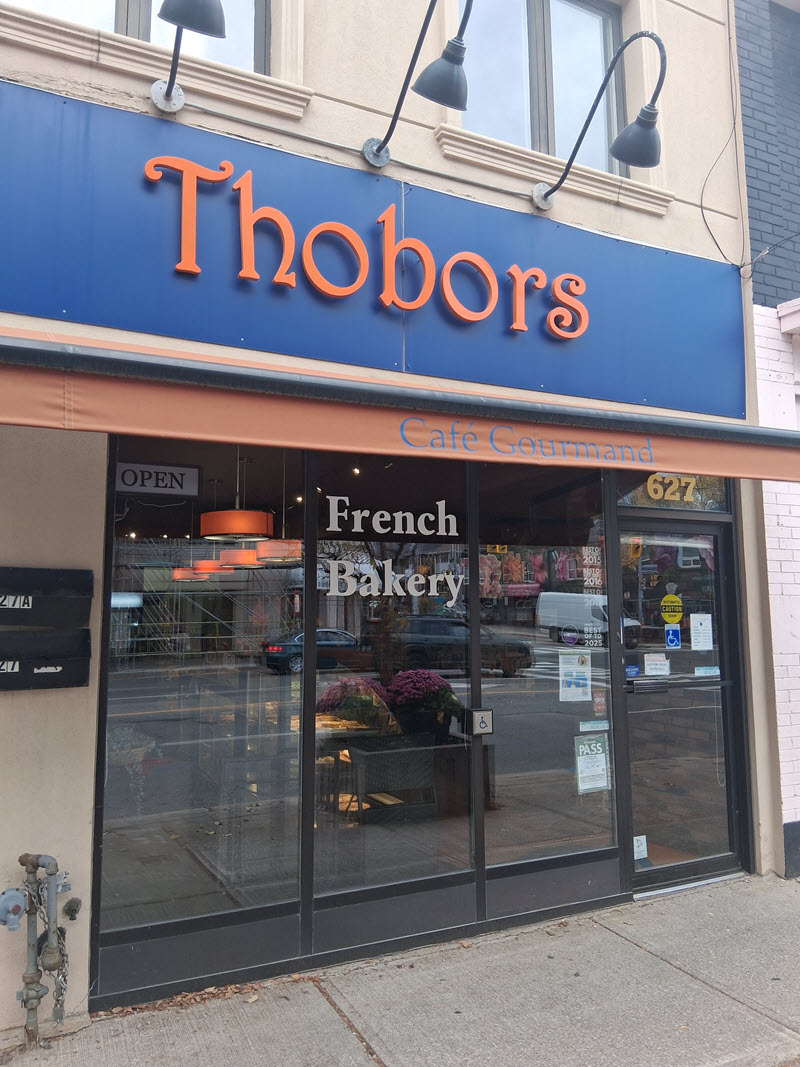
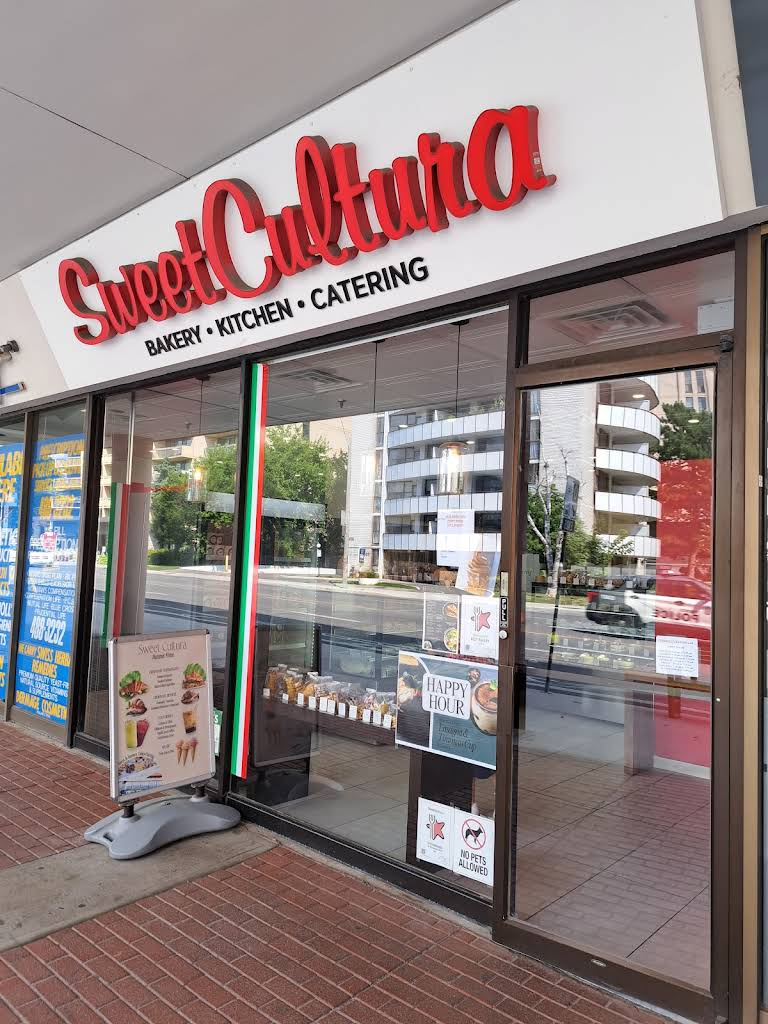
Around the time my darling Istanbul Cafe started going downhill, I discovered that one of the local bakeries served kickass coffee. Roasted dark, so that it balanced perfectly with steamed milk.
Over the years I’ve struck a friendly acquaintance with the baker and his wife. They, in turn, got to see every member of my extended family as I brought them in. But… trouble was brewing under the surface.
You see, I bought only coffee. I would never get baked goods from the bakery. I just didn’t like that type of baking. This vexed the baker. One day he confronted me: “Listen, Jacob, I am running a bakery here – not a cafe. When are you going to buy some baked goods? Coming in here and buying only coffee is disrespectful to me.”
I nodded and left. Truth be told, I was shocked. I never experienced something like this at a business and wasn’t sure how to respond.
I liked these people and truly wanted them to succeed. So I thought and I thought and I figured: he must be under a lot of stress because business was bad. Yeah, that must be it. I decided to share my marketing expertise, my insights as someone who’s always visiting the surrounding bakeries and who Has Opinions™.
My nuggets of wisdom included:
- You need to set a price for your coffee at a level where “just buying a coffee” is still profitable. It should cover the cost of beans, milk, disposable cups, lids and a profit margin. Set the profit margin high enough to make up for the boderation.
- If you wish to keep coffee prices low, then you need to treat coffee as a “loss leader”. You must advertise it loudly, and make sure you’re selling higher-margin goods alongside the coffee. Entice people to buy a “coffee and pastry” combo.
- You are harming your business because the only plain bread you sell is Armenian Matnakash.3 There are no Armenians in this neighbourhood. The main demographics are rich old white people and poor old white people. Sell them boring white bread.
- You can’t base your business entirely on sweets. People won’t come in just for sweets. They need to tell themselves a plausible story like “I just came in for my weekly loaf” or “I am grabbing a cheap sandwich” or “I am just here for a coffee”… and ohbytheway this cakelet was staring at me and I just had to buy it!!!
- You need to have something ridiculously low priced to set yourself apart from similar competitors.
- You need to bake a unique signature item, also to set yourself apart from similar competitors.
- If you want me to buy pastries at your place, you need to make censored baked good X4. I will buy it. And also I will forever be your slave.
So I worked up the courage to go to the bakery and have this talk. This was it. I was stepping through the door between “neighbourhood acquaintance” and “friend”.
As I entered, the baker was puttering around in the back but his wife was at the counter. I told her what he said to me the other day. “I am concerned – did he say this because he’s under a lot of pressure?”.
She looked at me and casually said, “Oh, ignore what he said. Sometimes he gets in a mood.”
Huh?
“Really, everything is fine”.
Oh. Kay.
I didn’t speak to the baker that day. I walked home a bit stunned. When I later discussed this with my mother she said “oh, yeah, don’t you remember he said the same kind of thing to me twice?”.
Come to think of it… I did remember her complaining about the baker’s attitude. Telling her she should buy a baked good because it’s a bakery. But she’s a bit of a character and prone to exaggeration – I figured the baker said this in a jokey way.
Dear reader, my takeaway was the sour realization that I dismissed my mother’s complaints and didn’t take her seriously. I should’ve been paying more attention.
I made up my mind to return to the bakery only when I got a craving for their type of baked goods. Out of respect for the baker. It’s been years and I haven’t felt that craving yet.
Betrayed
One of the dramas that played out in our neighbourhood started with the sale of our local Canada Post franchise.
The post office location was licensed to a couple in their early 30s. It was a convenient place to ship packages. The owners were go-getters and made the most of the foot traffic by selling plushies, toys and puzzles. They also provided passport photo and photocopying services. Their cute white dog was featured in a framed “Branch Manager” photo on the wall.
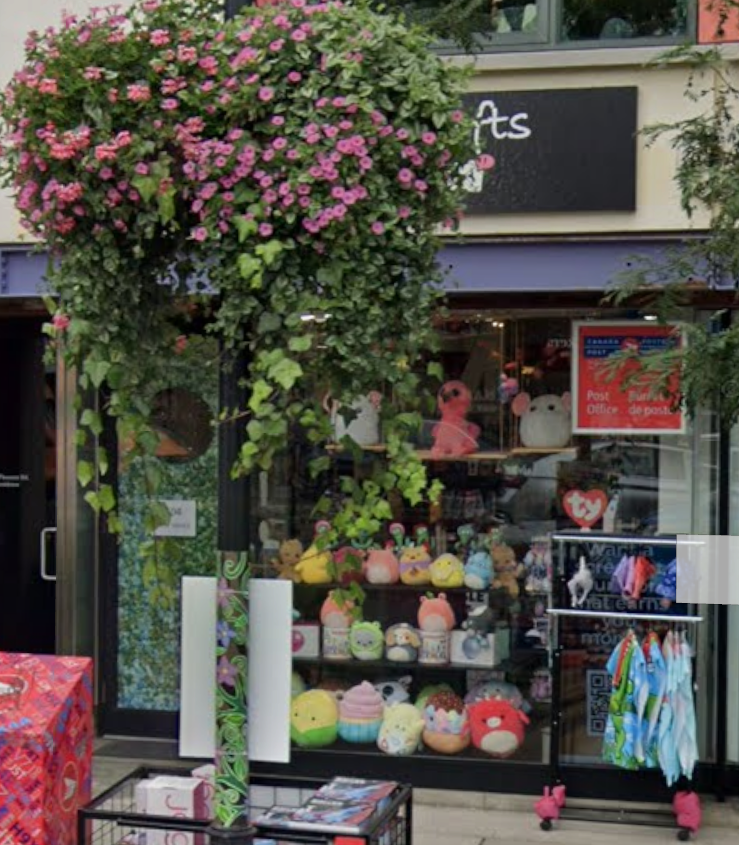
One day, there was a new couple at the counter. Slightly older – maybe in their 40s. And there were workers from Canada Post training them.
My wife and I were surprised by the change. After some Internet sleuthing, we discovered that the first couple had just sold their business (including their Canada Post license) for $159,000.
“Good for them”, we thought and moved on.
Except…
About 2 months after that in-store training, Canada Post announced that they were closing two of their three locations in the neighbourhood. This Mount Pleasant location, and an independent store in a nearby mall, lost their licenses.
The Post Office left standing was – of course – the one located within a local “Shoppers Drug Mart” store.
If you are not from Canada, you should know that Shoppers Drug Mart is run by the Weston family. Alongside dynasties such as the Rogers family (telecom and sports monopoly) and the Irving family (they “own” the province of New Brunswick), the Westons are oligarchs who collect a cartel tax from Canadians. I am unsurprised that it was Shoppers who got to benefit from the other post offices’ elimination. Corruption is rife here.
Back to the unfortunate new business owners: wouldn’t you say the timing of the sale was suspiciously good? The old owners must’ve known that this change was coming. They must’ve sold the business as fast as they could, to less-informed suckers.
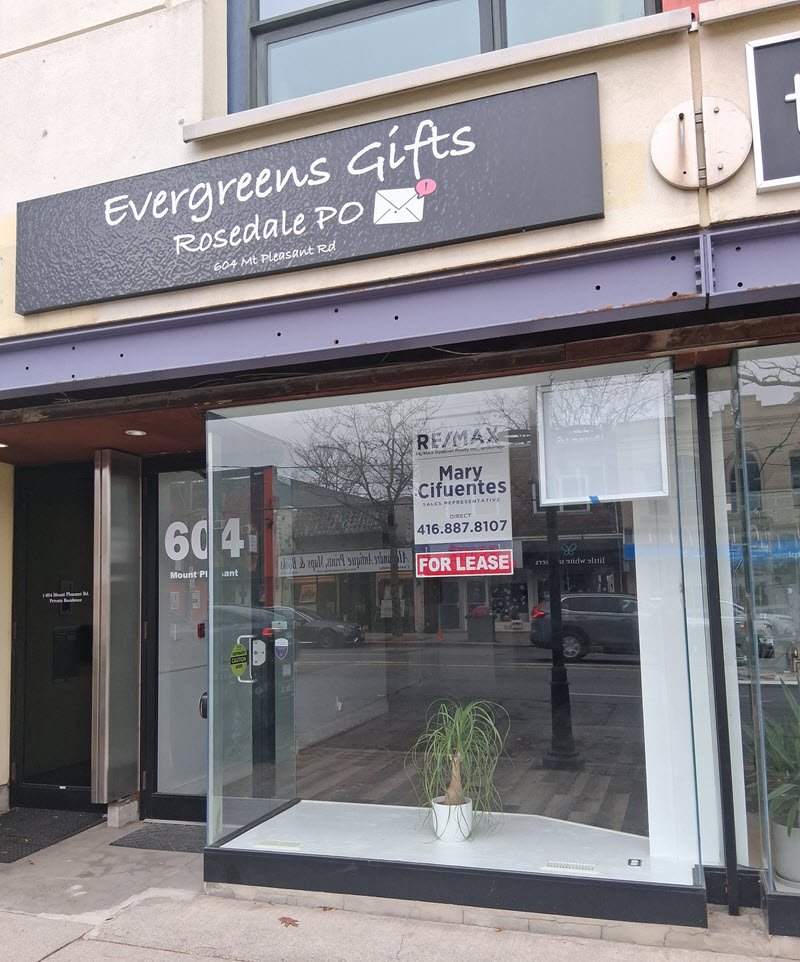
Without foot-traffic from the valuable post office business, the new owners were wiped out within a month:
What would you have done in the first owners’ shoes?
Would you choose to take care of your family, but victimize another?
Would you take a $159,000 financial hit just so you’d have a clean conscience?
I know I wouldn’t do well in this scenario. In my life, I have run three business ventures on my own and one with a partner. All were unsuccessful. I learned that I don’t have what it takes to be an entrepreneur. And what it takes, mon ami, is to be willing to lie through your teeth.
“Yes, I can do this for you by date X.”
“We are an established firm. We’ve got a big team.”
“The equipment and supplies are all lined up and just waiting for us to start.”
“I definitely know what I am doing here. You’re in good hands.”
To bootstrap something from nothing, to juggle Piece A and Piece B in the air long enough for them to connect and make something … that’s the magic of entrepreneurship. But what it takes is lies lies lies.
Nothing wrong with that.
Just not my forté.
Postscript
The location is being offered for rent at $6,000 / month. Whatever crack these landlords are smoking must be the good stuff. These are bonkers figures.
The only business that could survive there: the area’s 200th cafe.
Ungenerous
For years, Midtown residents have been victimized by a long-running construction project: a new subway line called the “Eglinton Crosstown LRT”.
Eglinton Avenue was first dug up in 2011. Construction noise & dust were everywhere, traffic was rerouted. The drop in street-level foot traffic killed many small businesses. The subway opened to the public in 2026. It took Toronto 15 years to build a subway line. It took just 8 years to land a man on the moon.
During construction I kept wondering: “why build a subway on such a sparsely populated street?”. Eglinton Avenue is very suburban, mostly built up with strip malls, single-family residences and the occasional 4-storey apartment building.
Perhaps the logic was to build a subway line first and have high-density construction follow?
This “build it and they will come” scenario did play out in reality. As the line neared completion, many high-rise housing projects were announced. This is the story of one of them:
One day, a curious set of lawn-signs sprang up. At first I saw a few houses with them. Then some more. Then they were blanketing everyone’s yards – so many home owners were up in arms!
This is what the signs looked like:
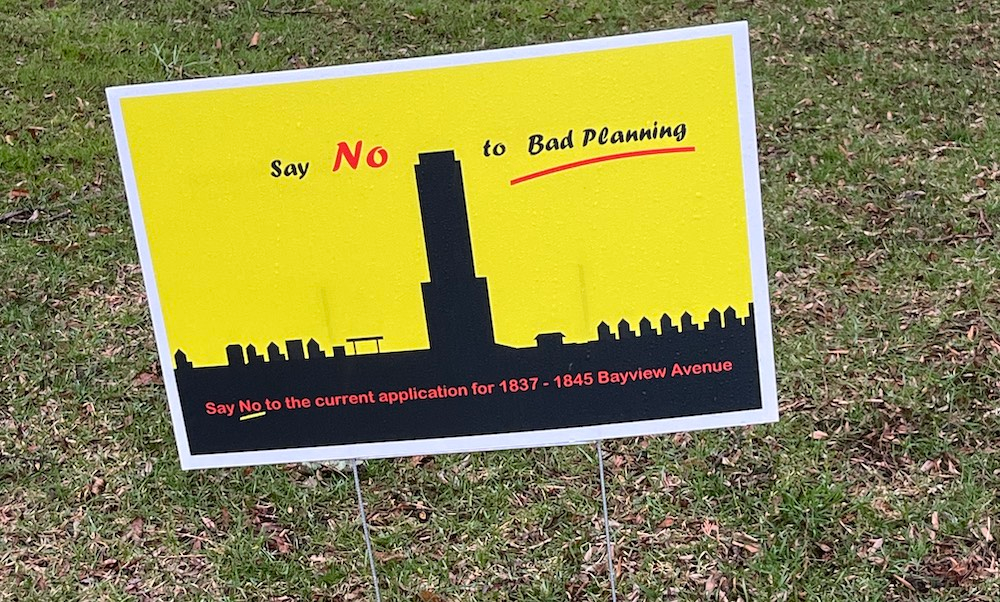
A high-rise building was coming to the neighbourhood and the existing homeowners were having a conniption.
True to the poster, the new high-rise was to be completely out of scale with the area’s character. Houses here are mostly single-storey, single-family detached buildings with enormous yards. With a new subway station opening less than 100 metres from the site, a builder must’ve spotted an opportunity to build more housing. The audacity!!!
The fact that so many current residents were united against the project really bothered me. I went online to look for discussion of the signs. What came up was this opinion piece by Matt Gurney. Matt gave words to what I was feeling: these people have the perfect life and they don’t want to share.
They’re OK with a new subway station in their backyard. They’re OK with taxpayers financing it. But it should be their own personal station. No densification! No sharing! No new neighbours!
So fortunate.
But so ungenerous.
Dear reader, the only people who should have a personal subway station are the rich who live around Castle Frank station. And maybe the mega-rich who live around Rosedale station. And perhaps the obscenely-rich who live near York Mills station. But that’s it. That’s where I draw the line!5
Ravines
Something that’s unique to Toronto is the network of ravines that run through it. Ravins are steep gorges with a stream running at the bottom, right inside residential neighbourhoods. Vegetation runs wild, there are rickety footpaths and urban animals. The ability to escape to the ravine is a godsend – especially after your fourth back-to-back Zoom meeting.
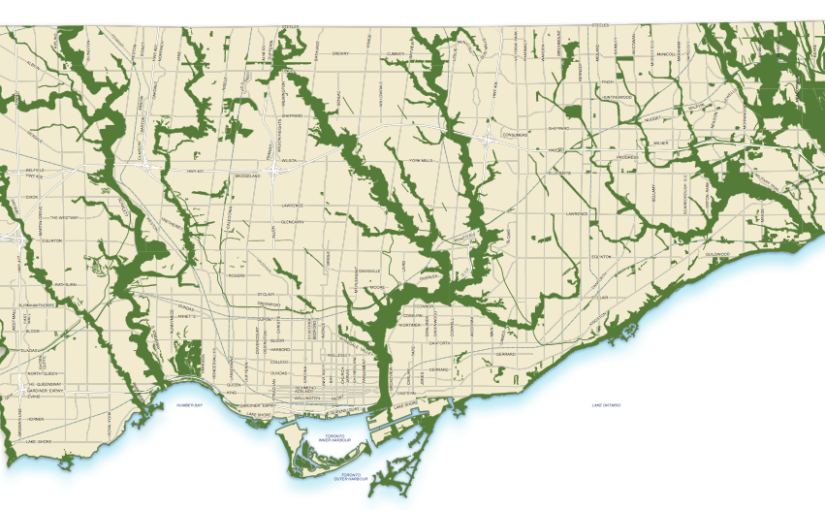
Our local ravine is the one we’ve nicknamed “Dog Ravine”.
The name comes from the enormous dog park that’s its main feature. Naturally, it attracts dog walkers from all over the city. They come, leashed to four, six, ten, twenty thousand dogs at a time. Sometime there are so many dogs that the human looks like a flailing puppet dragged by a canine swarm-intelligence.
An outing to Dog Ravine is unpredictable. Sometimes you’ll be left alone to walk. Sometimes you’ll be swarmed by labradoodles who’ve never heard of boundaries.
The ravines in my neighbourhood were a lifesaver during the pandemic. You see, we don’t own a car and my wife and I avoided public transit during COVID. So one of the few activities open to my young son and I was to get him in the stroller and speedwalk to one ravine or another.
This way, visiting ravines over and over, we got to experience natures’ changing rhythms. On one outing, we’d see green buds on branches as winter ended. On another, a carpet of bluebells sprouting from the leaf litter. Thousands of iridescent tiger beetles everywhere. Then we’d be crossing a stream – my brave little boy and I – balancing on a fallen log that hung several feet over the water.
Finally, alone now, I would see a fawn – lying camouflaged in the tall grass and waiting for its mother to return. A raccoon sleeping in the tree branches. A cicada that died mid-molt6.
I know where the slime moulds grow. Where the tiger slugs live. Where the snails are born. Where you can snack on thimbleberry.
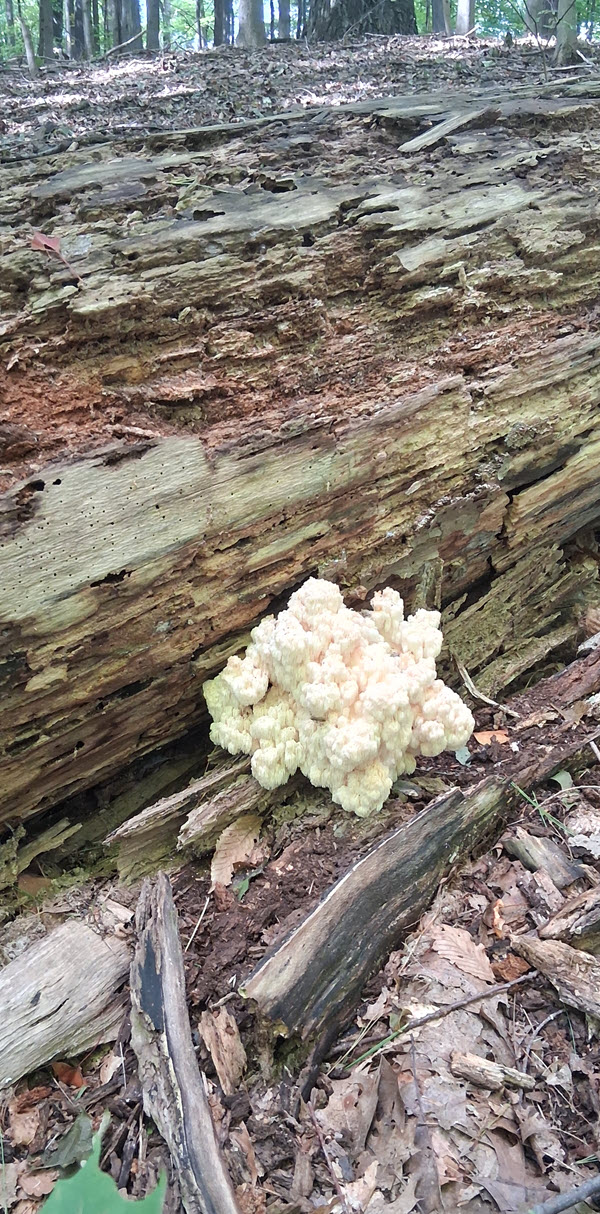
On a single September day this year, the mushrooms ran riot:


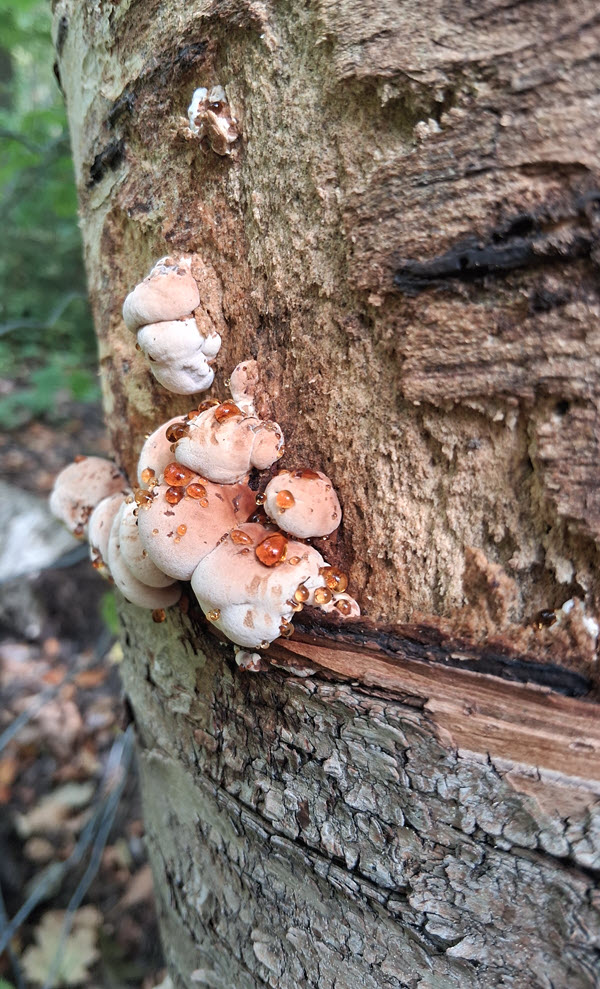

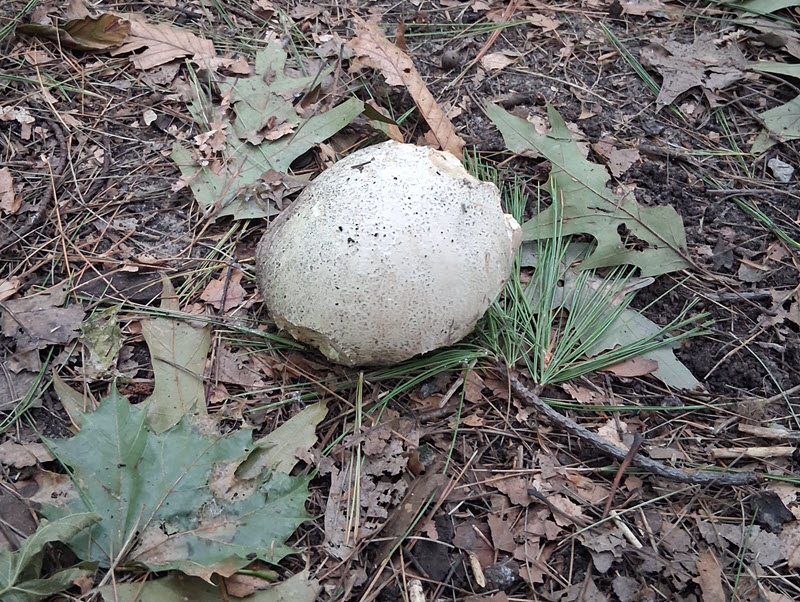
On the walk to Dog Ravine there is a prominent house. In it lives a man who looks a lot like Jeff Bezos. His politics are very different from mine. I know this because in one Provincial election he plastered his fence with posters for Conservative candidate Mark Saunders.
My beef with Mark Saunders goes all the way back to 2016. At that time, Saunders was Toronto’s Chief of Police and we were living in the Gay Village.
One day, a “missing person” poster appeared in the neighbourhood. The photo showed a man in his 30s, bearded and Middle-Eastern looking. Weeks later, another poster appeared: another man. Also in his 30s. Also Middle-Eastern looking.
My wife and I turned to each other and went oh shit.
Someone is killing these guys. Someone with a very specific taste in men.
But what was obvious to us was not obvious to the Police. As the entire Gay Village entered a state of panic, the Police assured us that not doing their job was the best course of action.
Combined with the Police’s non-investigation of Tess Richey’s disappearance in the same neighbourhood7, we quickly got the sense that the Police weren’t interested in protecting the residents of The Village. Saunders was the face of this evasion.
As it happens, there was an actual serial killer targeting these men.
Saunders’s later bid for Provincial Parliament was an attempt to fail upwards8 in the aftermath.
So back to Jeff: Jeff Bezos lives in the same neighbourhood as I, he owns a big fancy house while I rent, and his politics are different than mine.
One day my wife, our young daughter and I are down at the Dog Ravine pushing the stroller around and playing on the playground. Suddenly, our phones emit an annoying buzz. It’s an emergency weather alert from the government:
“If you are seeing this message, then you are at high risk of a tornado. Head for shelter right away.” There’s… never been a message like this one before.
My wife and I turn to each other and go oh shit.
We don’t even have an umbrella. And the wind is picking up. We put our daughter in the stroller and rush up the steep path out of the ravine. As we reach flat ground, the cloudy sky above turns a sickly greenish colour.
All hell breaks loose.
Big rain drops start pelting us. Our daughter’s stroller has a rain cover, but she is terrified of the rain, wind and lightning.
Fuck – we frenetically look for shelter. There. The house at the corner has it’s garage door open. We run into the garage and stand by the car – our daughter is screaming, we are soaked. But at least we’re out of the storm that’s raging inches in front of our nose.
The door to the interior of the house opens: Jeff Bezos steps into the garage with a concerned look on his face.
“We’re just here for a moment to escape from the storm.”
“Please, come inside…”, Jeff says.
“No, thanks, we’re OK here”, we reply. We’d like to, but we are mortified by the idea of dragging mud into this man’s living room. By the idea of making small talk with strangers. By the idea of accepting generosity.
Mr. Bezos makes sure that we’re allright and he leaves us alone to shiver in the garage, as we wanted.
While we stand there calming our daughter, Jeff comes in once or twice more – generously offering to host us. Telling us that he’s got tea and can put on a kids’ show for our daughter.
When the rain subsides, we quietly slink out and speedwalk home.
I’ll never forget his kindness. His behaviour is a good reminder that, NIMBY or YIMBY; Grounded Conservative or Spacefaring Anarchist; homeowner or renter; there is goodness in our neighbourhood. And a deeper well of generosity than I expected.
Cemetery
We’ll start winding down this neighbourhood exploration by walking to its Southern end, heading to the Cemetery.
That’s Mount Pleasant Cemetery, an enormous green space that’s been a non-denominational burial ground since 1876. Many locals, like myself, come here to stroll along the calm lanes and to look at the many trees and shrubs that grow semi-wild.
Sometimes, I am tempted to eat mulberries or cherries off the branches. But I hold back because of what’s been fertilizing those trees9.
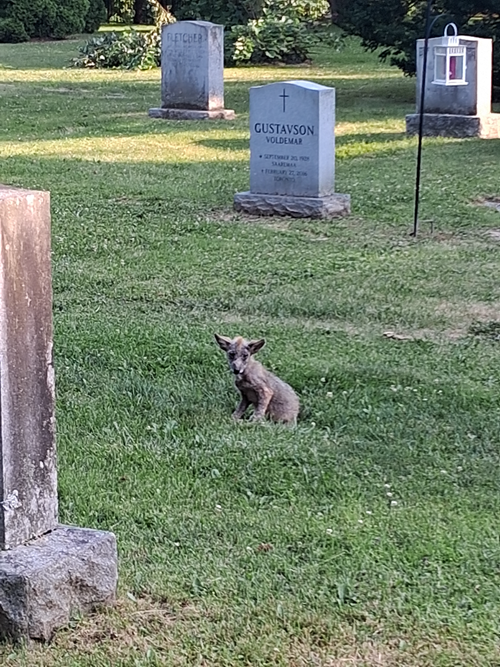

Unlike the ravine, this nature break brings the mental baggage of the graves: sometimes I feel inspired by their stories, sometimes I feel antipathy, other times I avoid all these feels and skip the cemetery.
I often spot interesting “neighbours” there though, like:
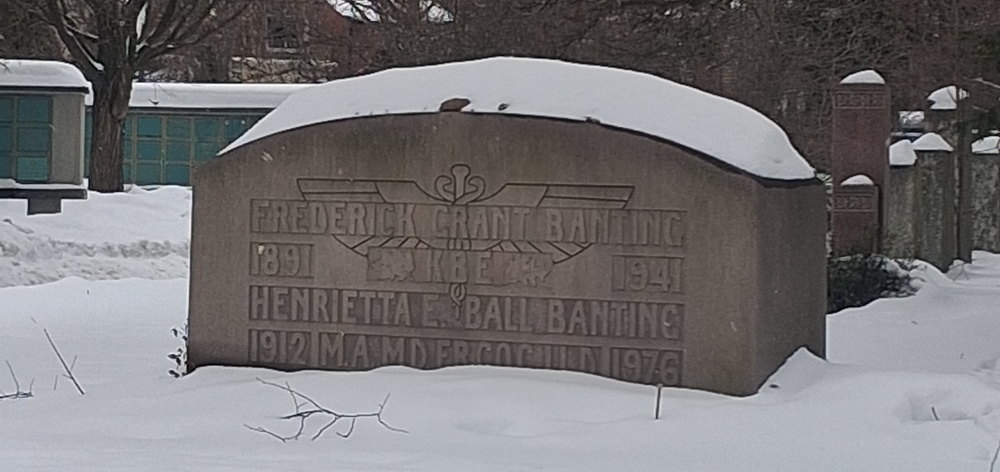
Frederick Banting, who discovered insulin in Toronto alongside Charles Best. I noticed the headstone because of it’s strong 3rd Reich vibes. During WWII, Banting was stationed at a secret facility of the Royal Canadian Air Force. It was located just a 20 minute walk from me – at Eglinton West and Avenue Road. There, he was part of the team that developed the G-Suit.
Nearby is also Thomas M. Banting:
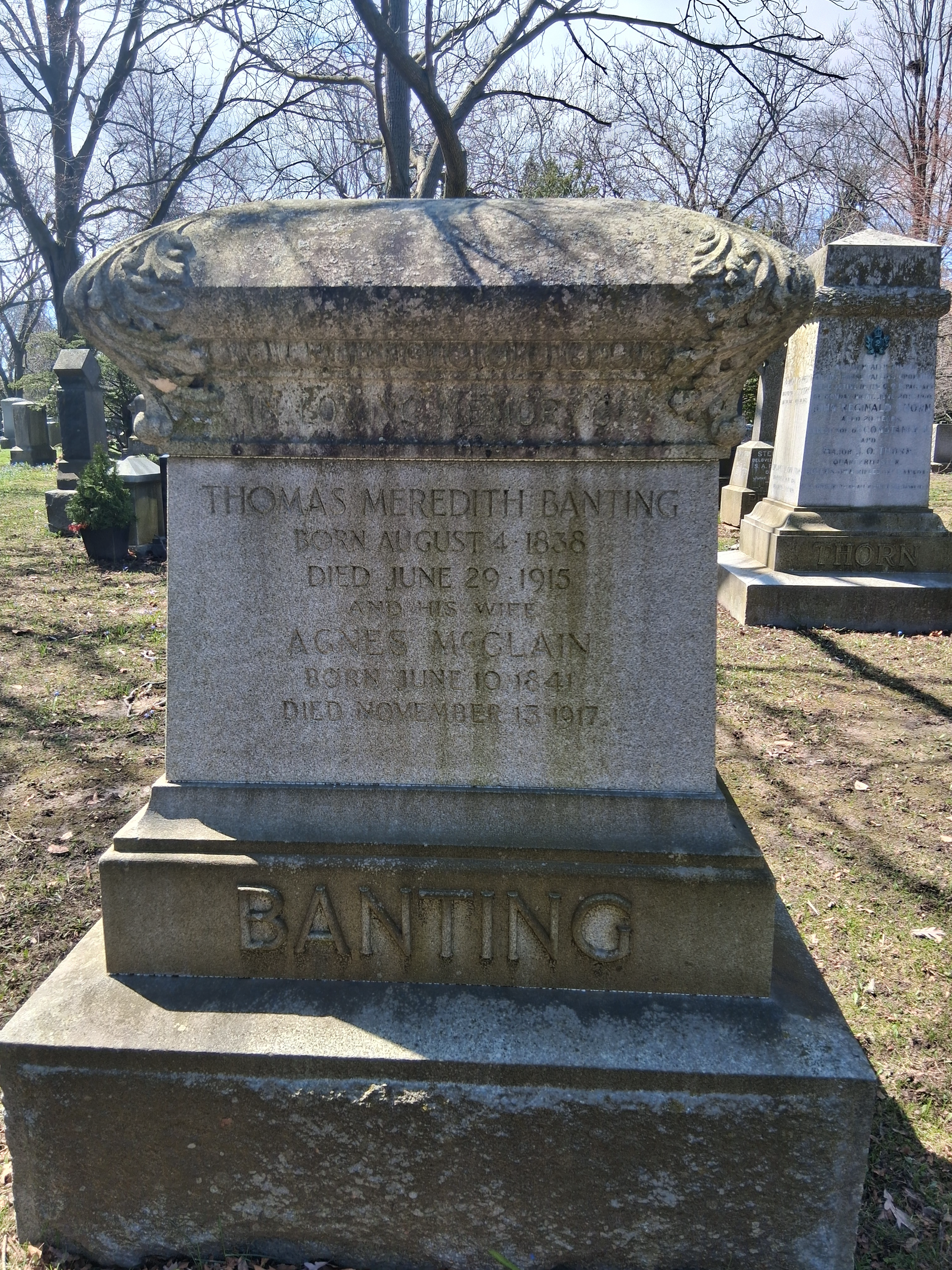
Thomas was a distant relative of Frederick. He was a Manitoba farmer who had two sons and a daughter. One of them lived to be 103 years old, another also to 103, and the final one to… 102 years old.
If any longevity researchers are reading: this is it. This is the Big One. Go study this family!
Speaking of Manitoba – that province was founded because of the Red River Rebellion, led by Louis Riel. There is a beautiful gravestone here with a link to Manitoba and Riel:

This gravestone commemorates Thomas Moor Jr. and Isaac Hughes who died at The Battle of Batoche and at Battleford, respectively. Both those places were battlegrounds in the North-West Rebellion. This was the second rebellion that Louis Riel led, this time alongside the father of modern guerilla warfare – Gabriel Dumont. Batoche was the site of Riel’s final defeat.
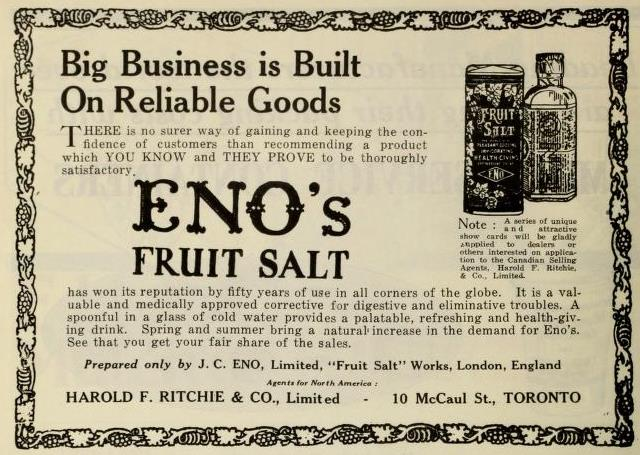
Aside from Banting, another remarkable local who’s grave I recognized is Carload Ritchie. He was a low-profile Torontonian who was one of the richest men in the world. Ritchie was a Sales pioneer. In the early 1900s, he realized that the same salesmen who was sent to faraway towns to sell one product, could collect orders for many different products on the same trip. A huge profit multiplier. This insight eventually allowed Ritchie to buy Eno’s Fruit Salts from its UK owners, and build an enormously effective Sales organization10.

The final cemetery story is a modern-day tragedy.
I once noticed an amber-coloured chunk of glass resting on a gravestone. Coming closer, I could see that two young brothers were buried there. They died on the same day.
This was awful. You could just imagine the heartbreak that their family felt. Naturally, I assumed that they died in a car crash. What else could kill two young men on the same day?
As the months passed, I couldn’t stop thinking about them. It was an extreme enough event that I was sure there’d be some detailed newspaper coverage from the time. However, I’d forgotten their names and the location of the gravestone.
After several subsequent trips, I managed to find the grave by once again spotting the unusual objects resting on top:
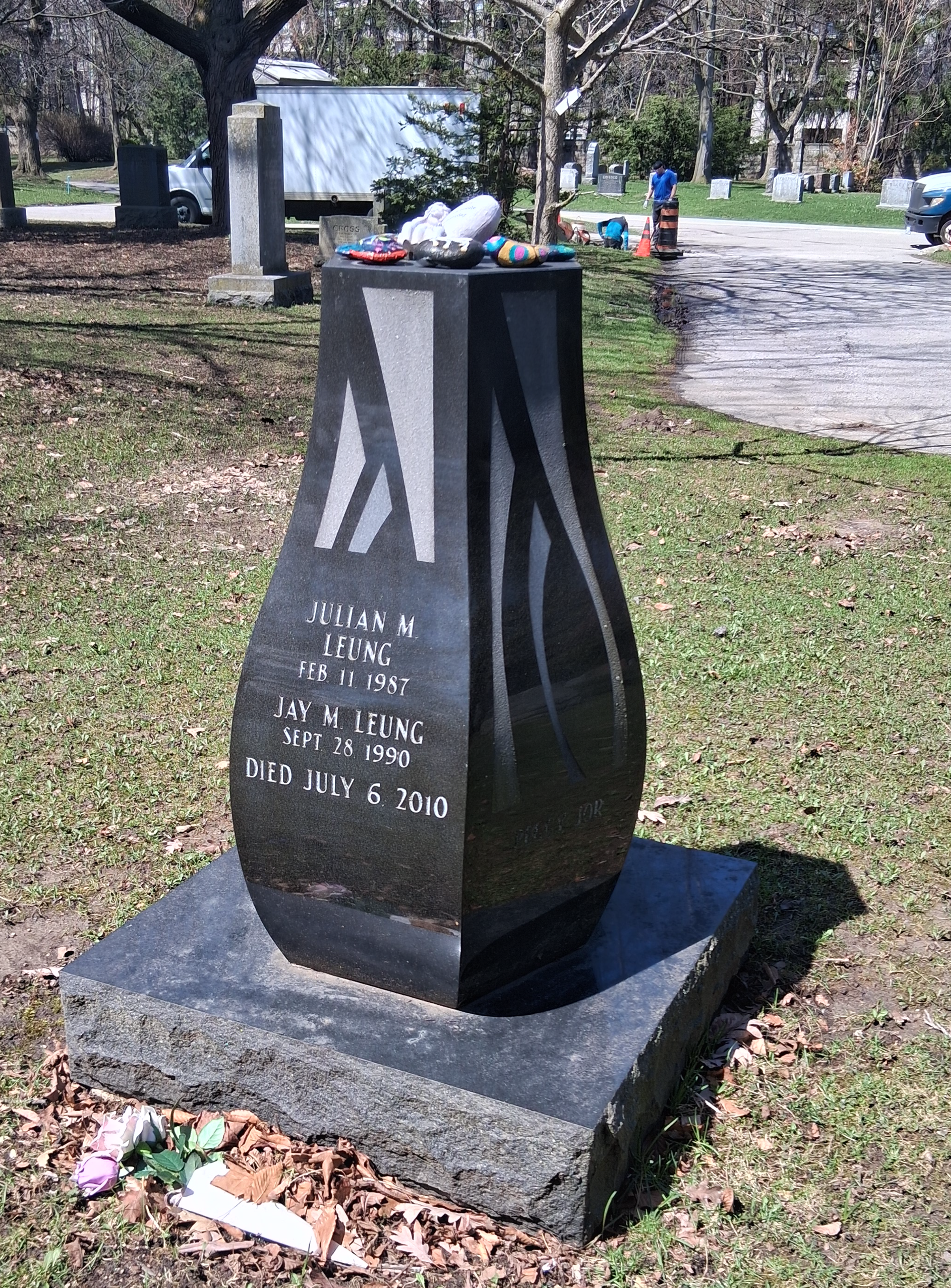
The two young men were Jay Leung and Julian Leung. They were 20 and 23 when they died. And their story was a whopper:
The two brothers were K-Pop “trainees” from Toronto. All I know about Korea’s pop music industry is that it’s like a gruelling, multi-year hazing, where aspiring performers essentially go into debt slavery (similar to how Berry Gordy treated his Motown artists). Successful artists spend all their time working off their debts to the label.
The Leung brothers’ story is mysterious, but it appears that one brother committed suicide and the other followed on the same day.
Sculptors
South of the Cemetery on Mt. Pleasant Road there is a sleepy street with pricey houses. Turn down that street and you’ll see an unusual house:

It’s called “The “Church”.
This building began life as a church schoolhouse. When it was slated for demolition in 1920, a pair of sculptors purchased it. They had it disassembled, transported here and put back together at it’s new location.
These sculptors were “The Girls” – Florence Wyle and Frances Loring.
Their sculptures were modern, with Art Deco sensibilities. Personally, I think their sculptures are different from those made by male sculptors – gentler with a different perspective on the female body. The Girls founded the Sculptors Society of Canada and were a key pillar of Canada’s arts community from the 1920s to the 1960s. The Church was their home and workshop. There, they hosted frequent social gatherings, often as an excuse to feed their starving artist friends.
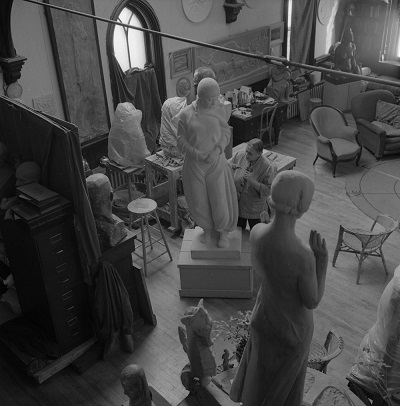
Their generosity extended to all: even to pets and wildlife. The Church was always full of cats and dogs, a place where they could get treats and have a warm place to sleep. The neighbourhood children would bring injured squirrels and birds to them, expecting the ladies to nurse them back to health.
As the neighbourhood developed, Loring and Wyle faced more criticism from their neighbours. Why were these strange women here? Why are they bringing dishevelled men around? Can’t they see their menagerie of animals is pulling down house values? Why won’t they behave as respectable people?
The Girls were there before these newcomers. They had moved in when the area was still nothing but fruit orchards. And now these condescending arrivals had complaints for them!
This history serves as a kind of balm to me. It puts things in perspective. Oh, it had always been this way. There were always kind weirdos in the neighbourhood. There were always ungenerous egotists, too.
Back to the pets: for serious veterinarian care, The Girls relied on Edith Williams. Williams was a friend who ran a vet practice in the neighbourhood. She is notable for being only the second female veterinarian in Canada. Another remarkable thing are the letters that she and her life-partner, Dr. Frieda Fraser, left behind. Their letters span from the 1920s to the 1940s. They are a window into the private life of gay women at a time when society saw them as sick or depraved. In the letters, they discuss the nature of their attraction to each other and how to build a life together. Most gay couples chose to destroy these types of letters, so Fraser and Williams’ surviving letters are invaluable.
Loring and Wyle did not discuss their sexuality, even though they were inseparable since their early 20s. And their friends diplomatically refused to comment on their relationship.
Their friend and biographer writes:
…Frances made no bones about being very fond of men. She was a compulsive flirt. Florence, on the other hand, always pretended to dislike men… But when it came down to reality, she disliked men except for those she liked – which included most of the men she knew. She exempted these from the blanket of general condemnation, but even they were no match for women. “I like men. But women do most things very much better!”
“The Girls” by Rebecca Sisler
Back on Mount Pleasant Road, there is a parkette dedicated to the two sculptors11. You can sit there and rest. You can look at a couple of their bronze sculptures that stand there.
There are also two bronze busts: “Loring, by Wyle” and “Wyle, by Loring”. Don’t look too closely at the pics. Photographs fail to capture what I’m about to say.
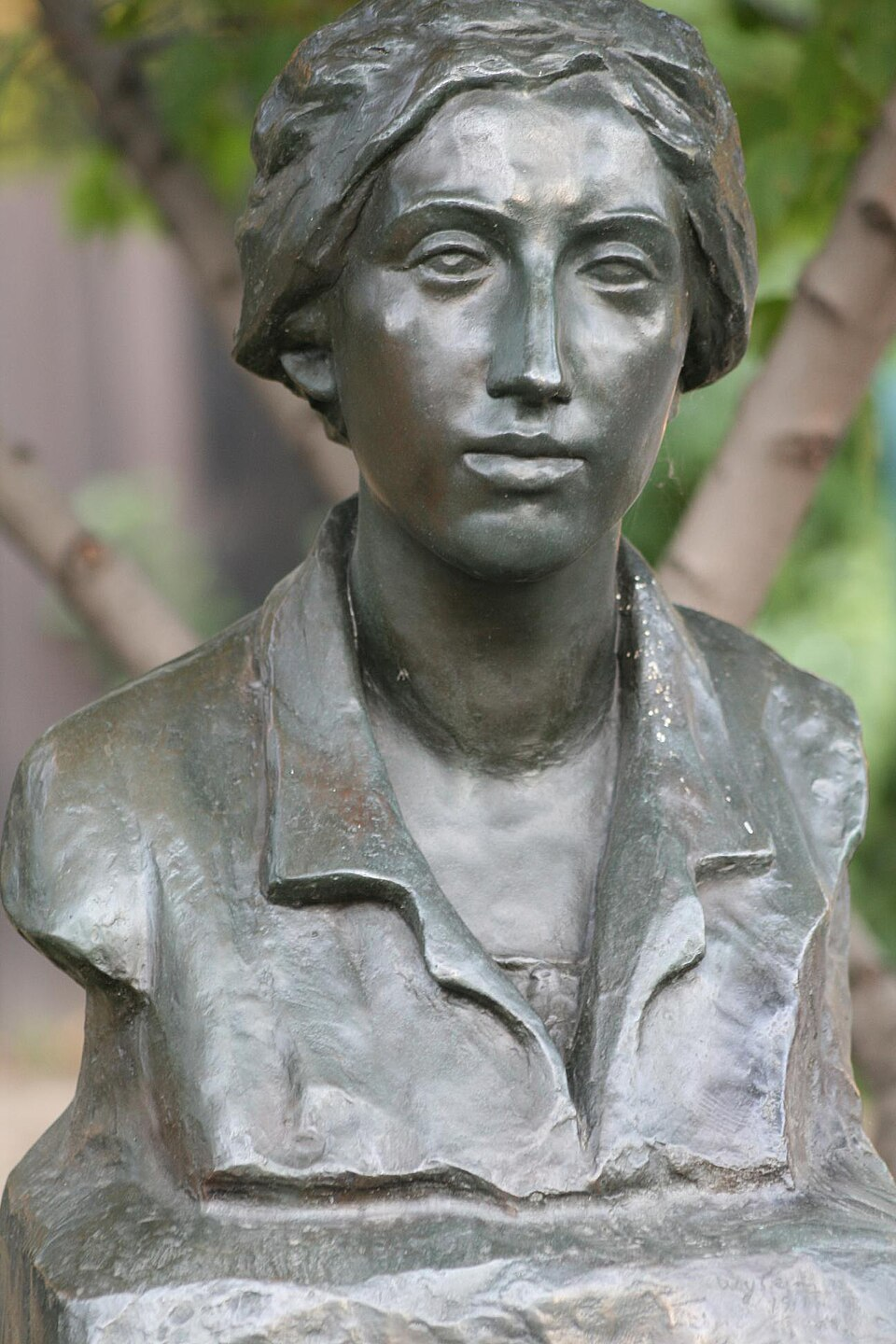
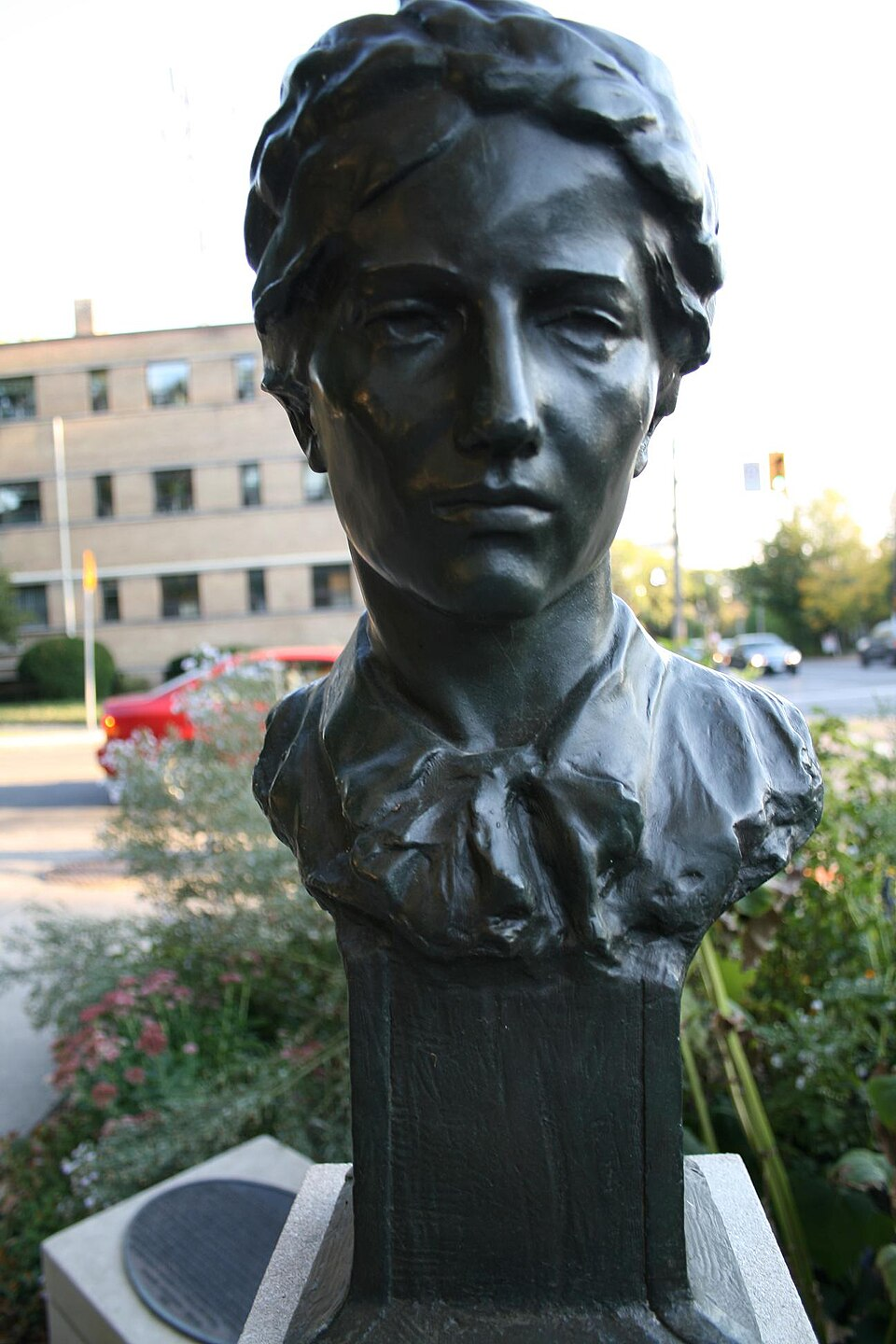
Looking at these bronzes in person, you sense some sort of sculpture magic. Something that separates this art from other arts.
What you sense is:
Each woman’s portrait was made by someone who loved her to bits.
- The baristas at Istanbul were mostly Korean students. They were forced to return home during the Pandemic. Afterwards, they returned with full vigour. No longer as baristas in someone else’s cafe but as entrepreneurs in their own right. They opened their own cafes, bakeries and restaurants. As a consequence, you can now get killer mochi donuts, bingsu, tteokboki and mugwort injeolmi in Toronto. ↩︎
- Are you a fan of letting the time drag in a cafe? If so, you gotta read this. ↩︎
- He was not selling Matnakash. The identity of the bread has been changed to protect the innocent. ↩︎
- Baked good was censored to protect the identity of the innocent. We take bakeries’ privacy very seriously on this blog. If you want to know what baked good I’m talking about, then contact me in private. ↩︎
- I could (and probably will!) write a whole post about how Toronto’s rich shape the city’s geography around them. Their tactics include: let the road disintegrate into an unappealing gravel mess; hide the property; cut off through-streets and create chokepoints; build meandering, confusing roads so drivers avoid their hood; decamp to
outer spaceKing City. ↩︎ - Many insects die during molting – it’s like having your lungs ripped out. ↩︎
- Richey’s mother took it upon herself to search for her daughter, and discovered her dead body 15 metres from where she was last seen. The Police didn’t do much at all. ↩︎
- Toronto Police Chiefs failing upwards is a tradition around here. Consider Bill “Arrest Bystanders At The G20” Blair, who was tapped by the Liberals for Federal Parliament. He went on to preside over the corrupt bonanza of weed legalization in Canada. ↩︎
- Sometimes I daydream that the cemetery land is toxic. All those people buried there in the 1950s… and the fifties were truly a different place. They were laid to earth with their prize-possessions: wearing puffy asbestos-lined coats, clutching fine cadmium-glazed teaware, wearing lead-white foundation and cinnabar lipstick, teeth full of mercury amalgam, the uranium-glass contact lenses still in their eyes. ↩︎
- You can read more about Ritchie in the book “Carload Ritchie”. He had disgraced himself as a teenager by fathering a child out of wedlock with a local teacher. The child disappeared without a trace, and I think that’s one of the biggest mysteries surrounding his life – did a relative perhaps pretend that his child was their own? You can also read this incredibly bitchy Ritchy obituary that Time Magazine ran in 1933. ↩︎
- The two women insisted on being called sculptors, not sculptresses. You wouldn’t call a female physician a “doctress” would you? ↩︎
