Have you ever thought of giving your garden a “second life”?
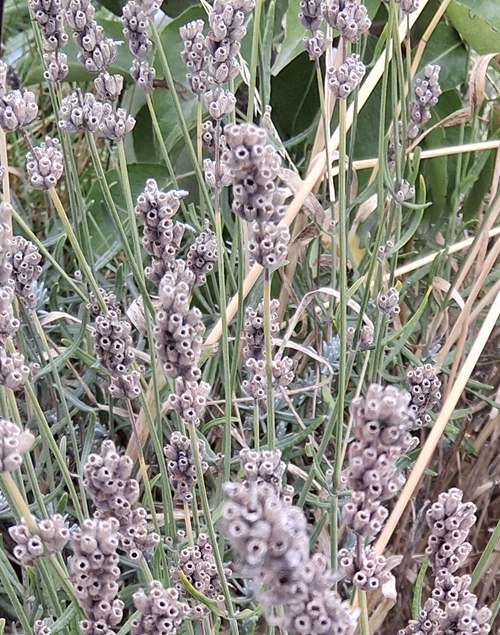
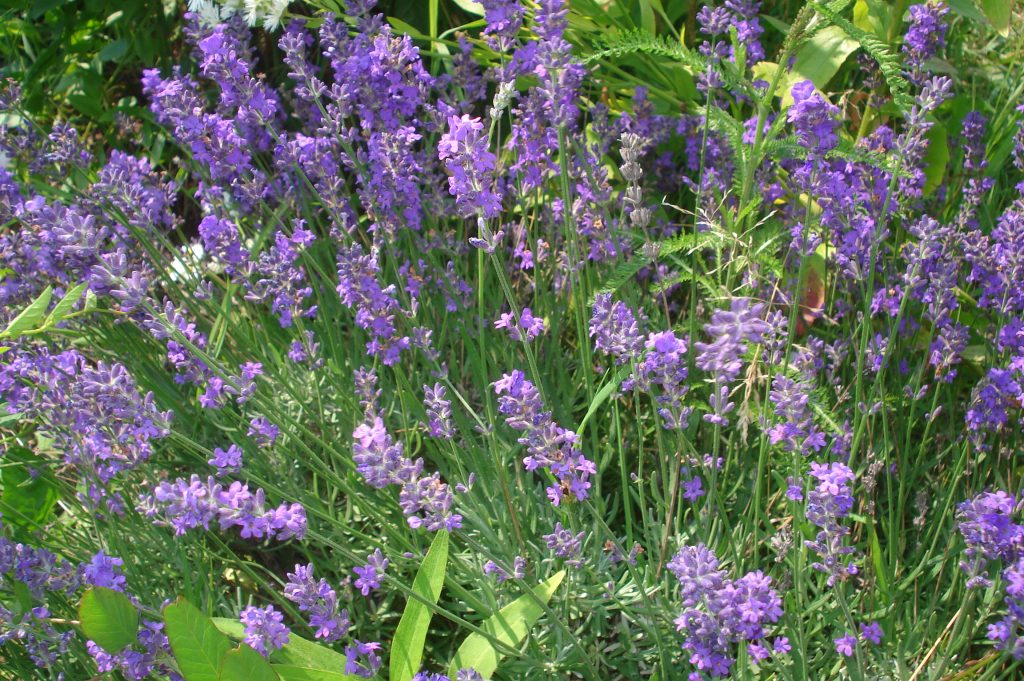
Flowers are great while they fresh, but you can also enjoy their dry seedheads in the fall and winter. Leave them standing in the yard or use them indoors as decorative seedpods.
Here you will see the most striking seedpods alongside their fresh flower pictures. I hope this will help you choose the flowers that look best in both their “first” and “second” life!
Note: before choosing a plant please research whether it is native to your area. Let’s not plant invasive species.
Lavender
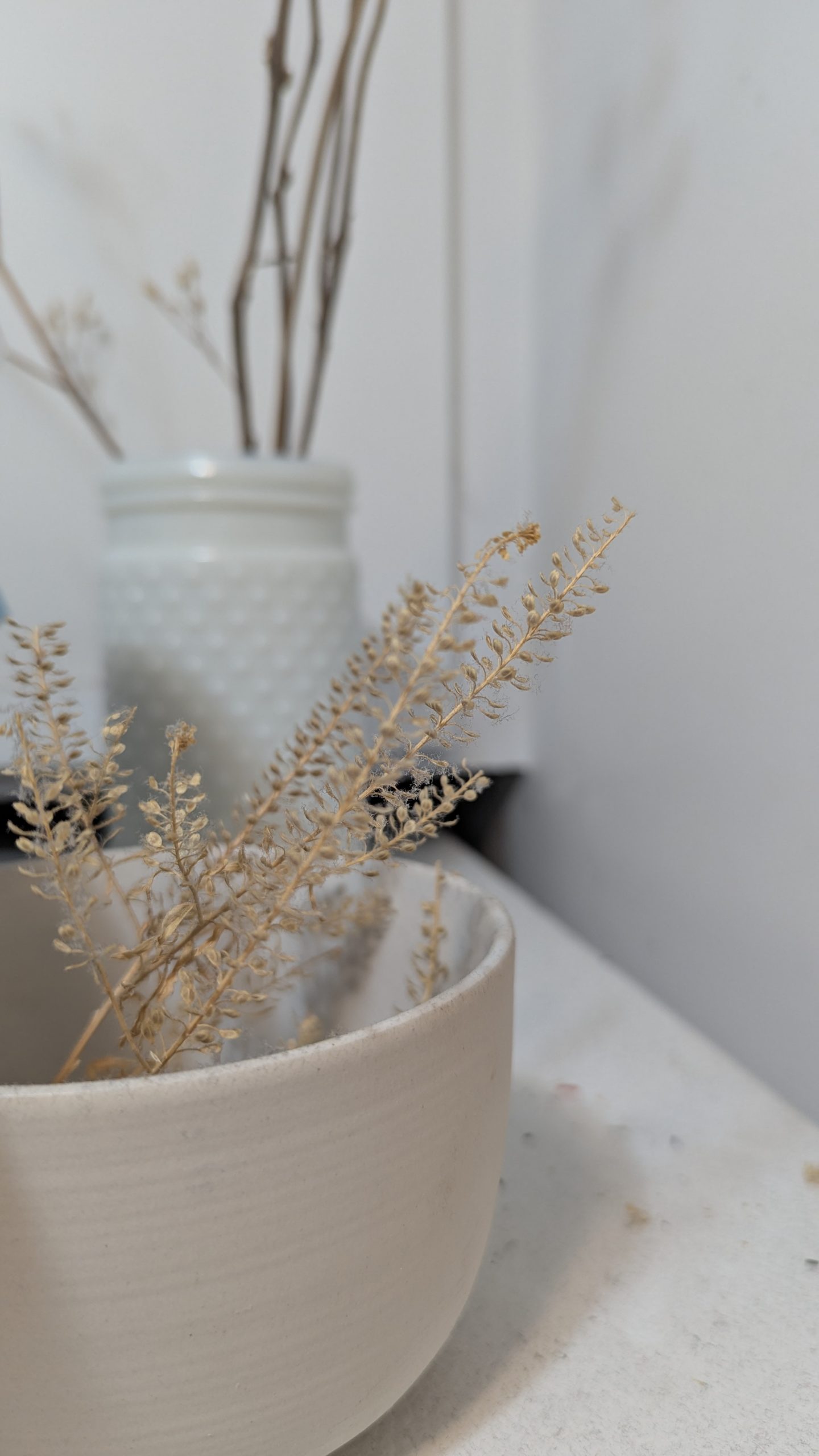
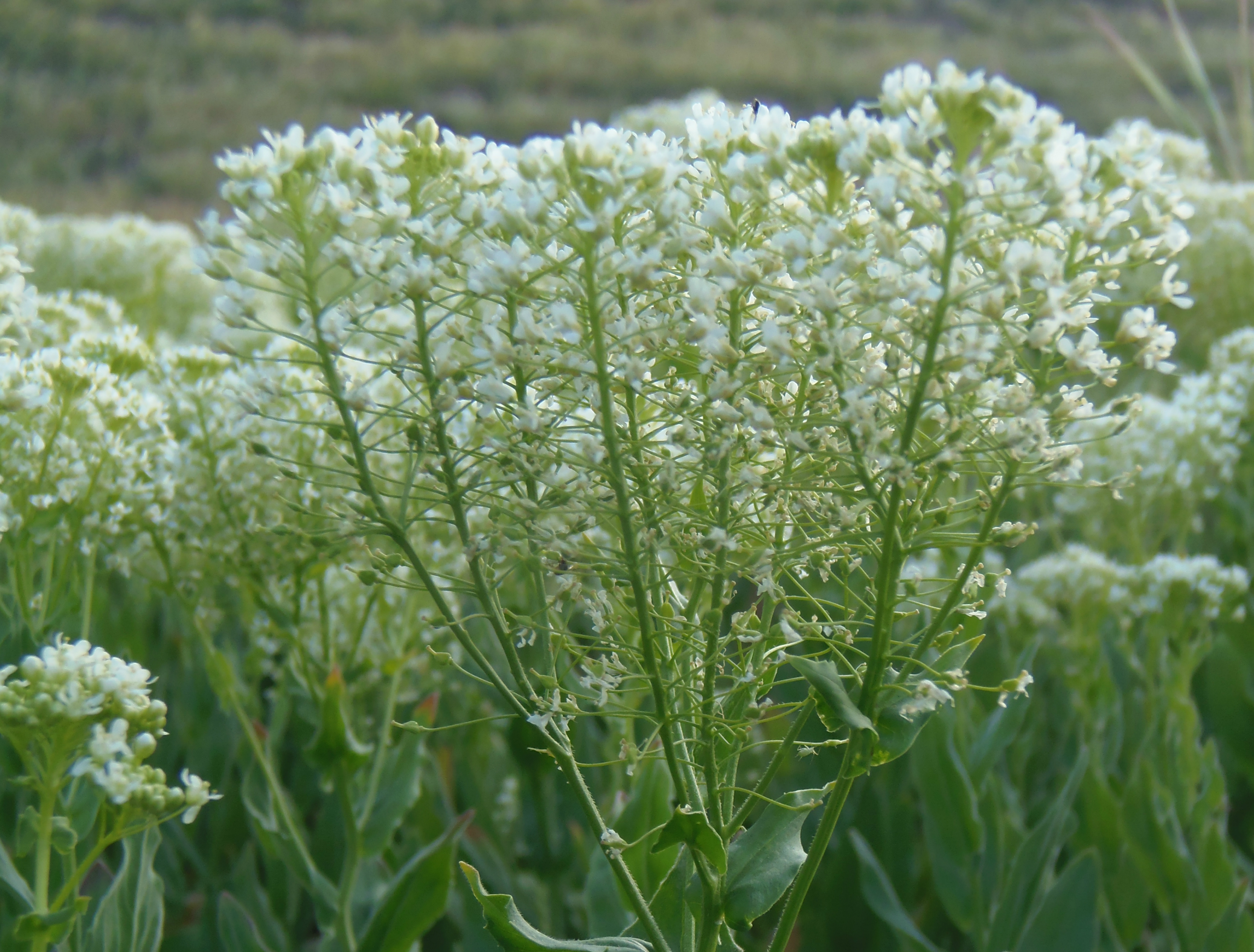
Lepidium (Peppergrass)
This is a weed, with many different species in the Lepidium family. Don’t plant it intentionally, but if it is found in your garden, you can let it dry out and use it decoratively…
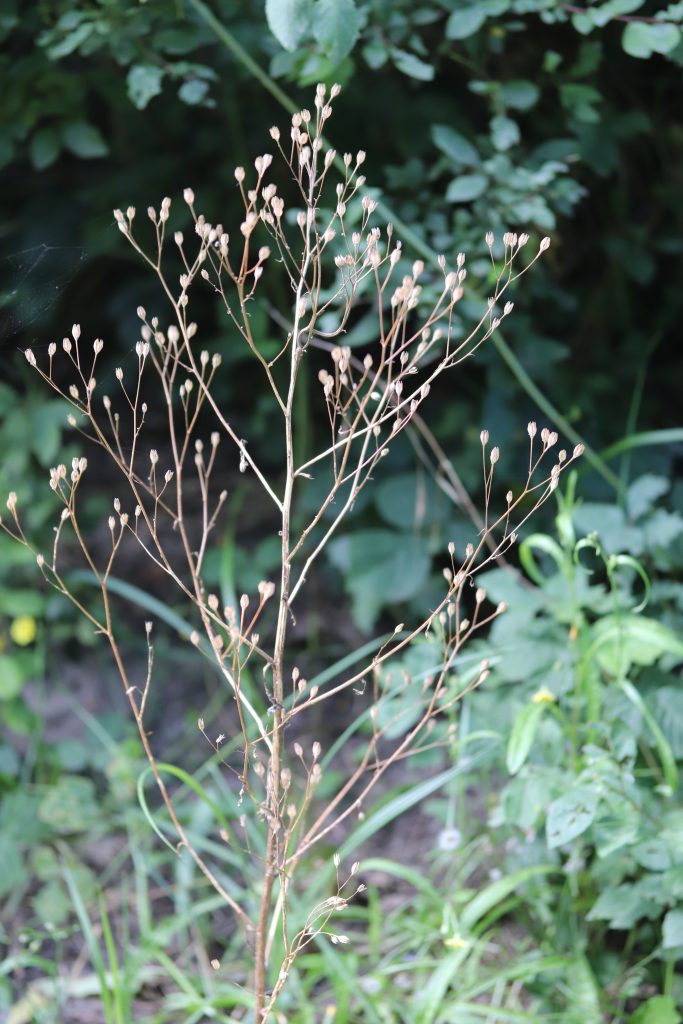
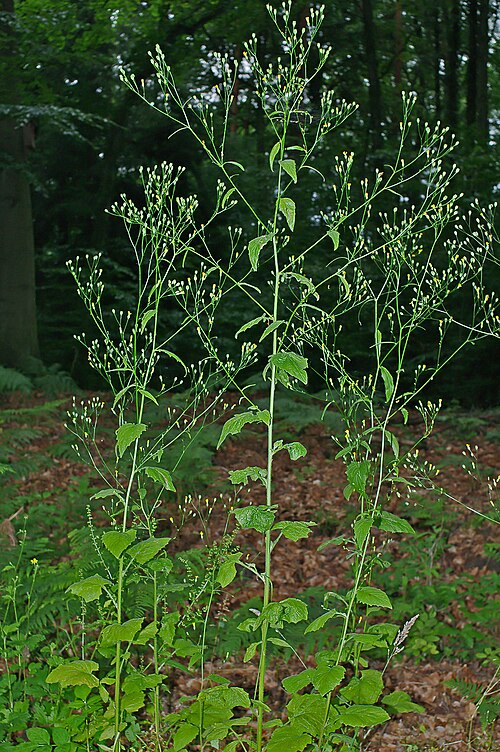
Nipplewort (Lapsana communis)
An edible wildflower. More pics here.
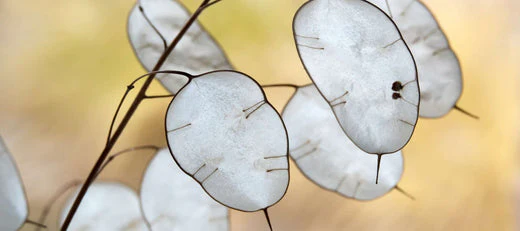
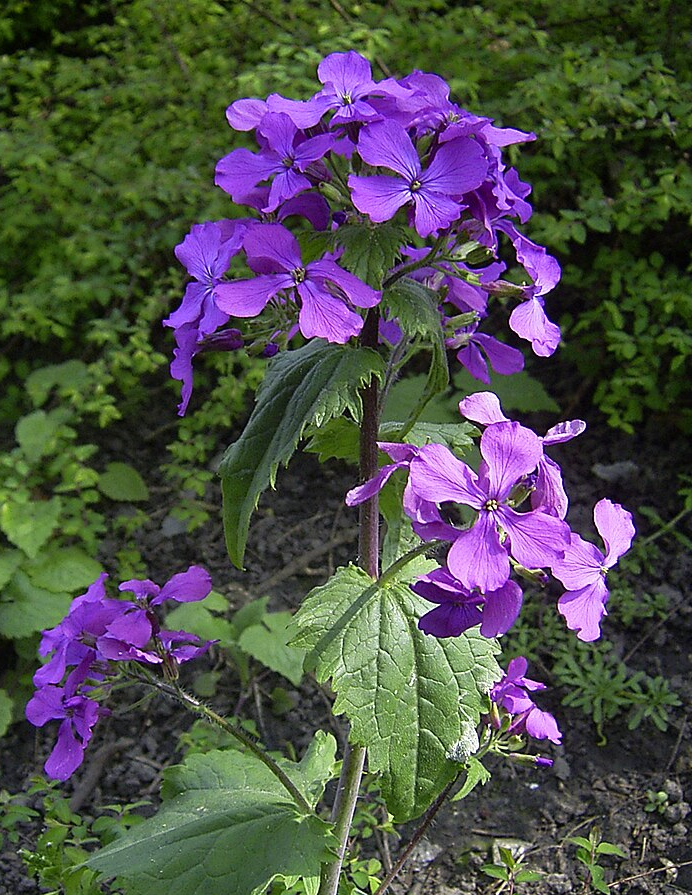
Lunaria
Lunaria annua has coin-like seed pods.
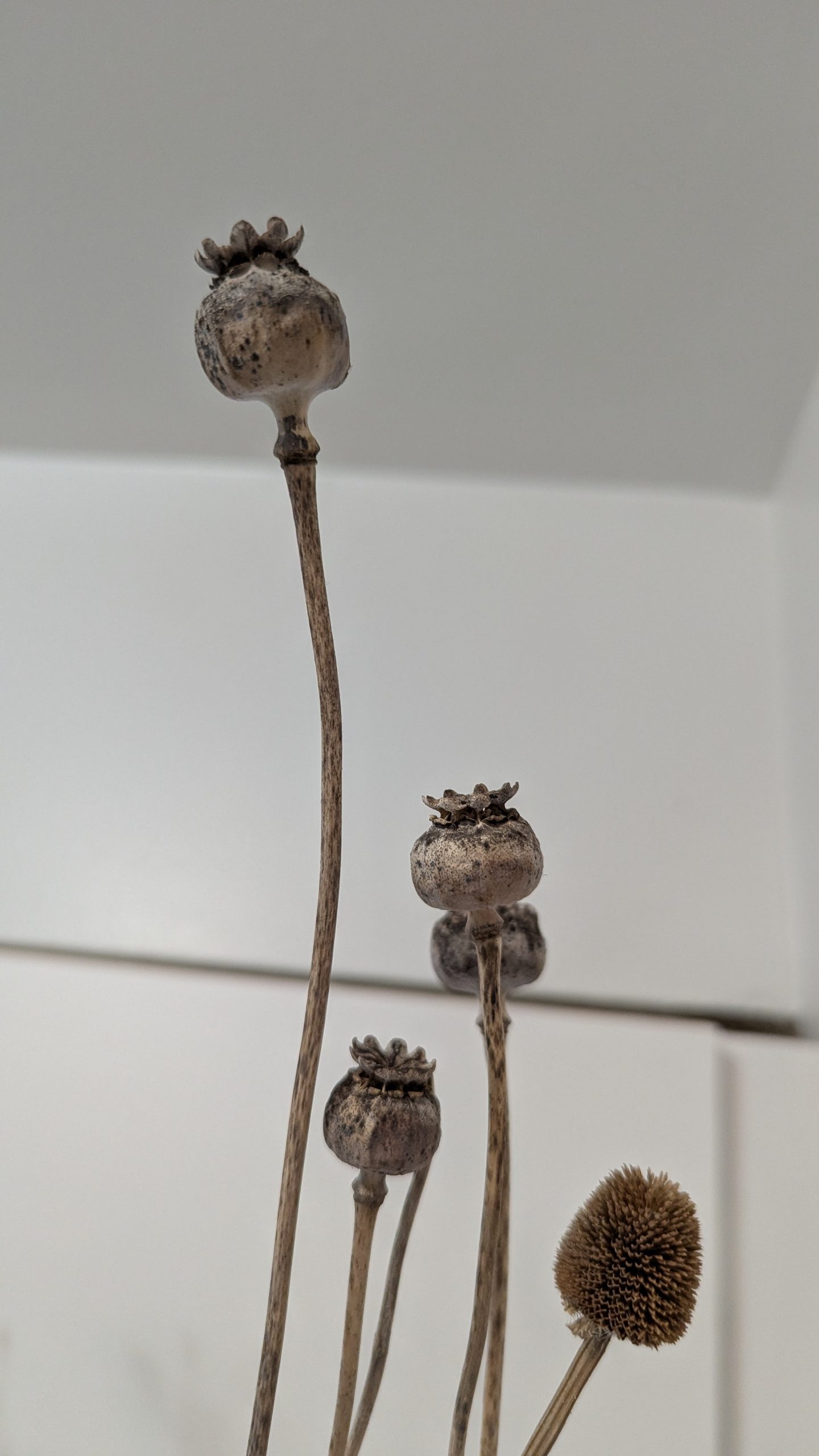
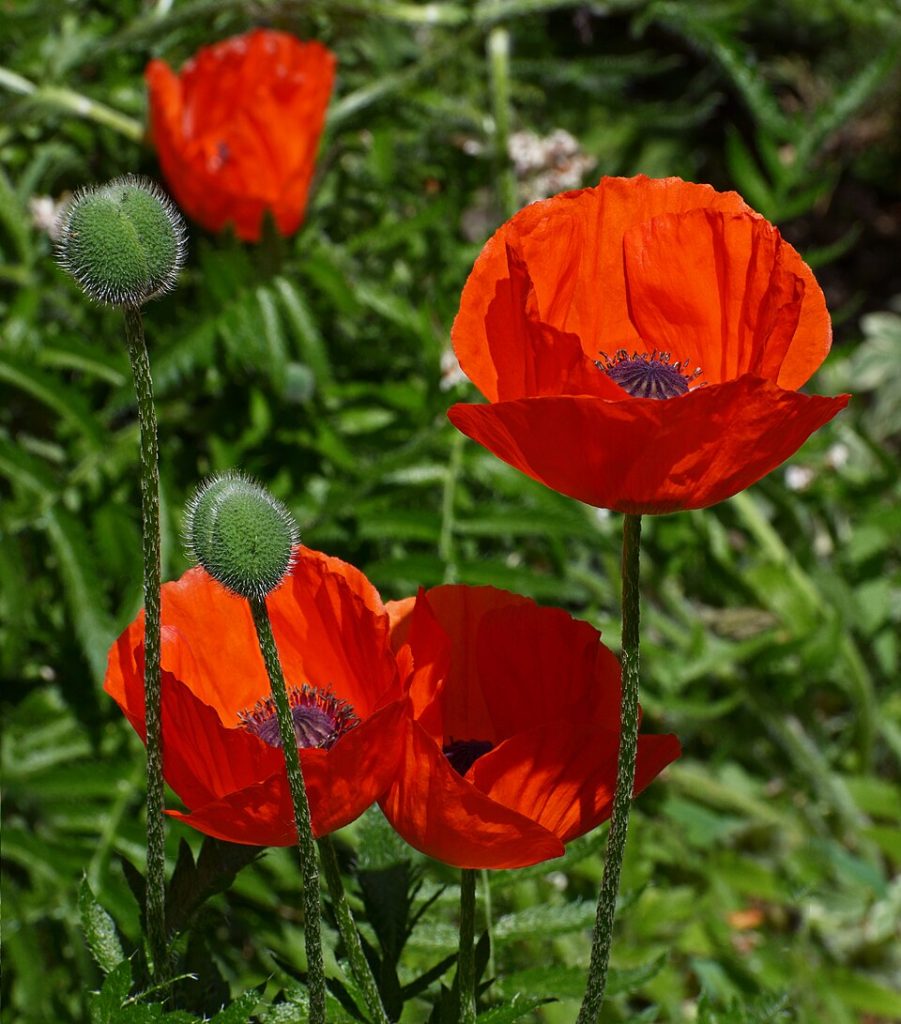
Poppies
Consider spraypainting these seedheads white / ivory, so they have a uniform look to their surface.
Allium / Garlic
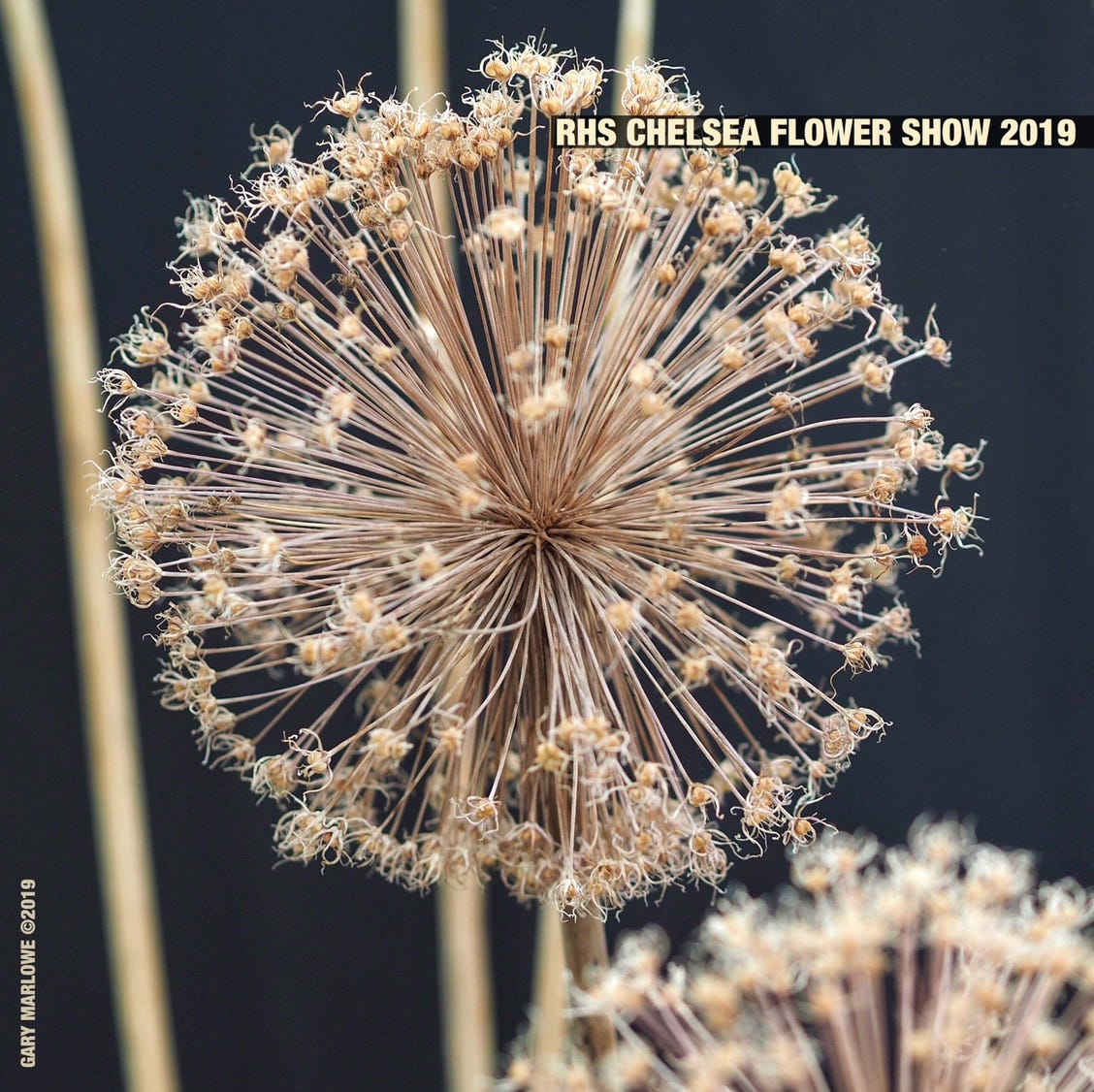
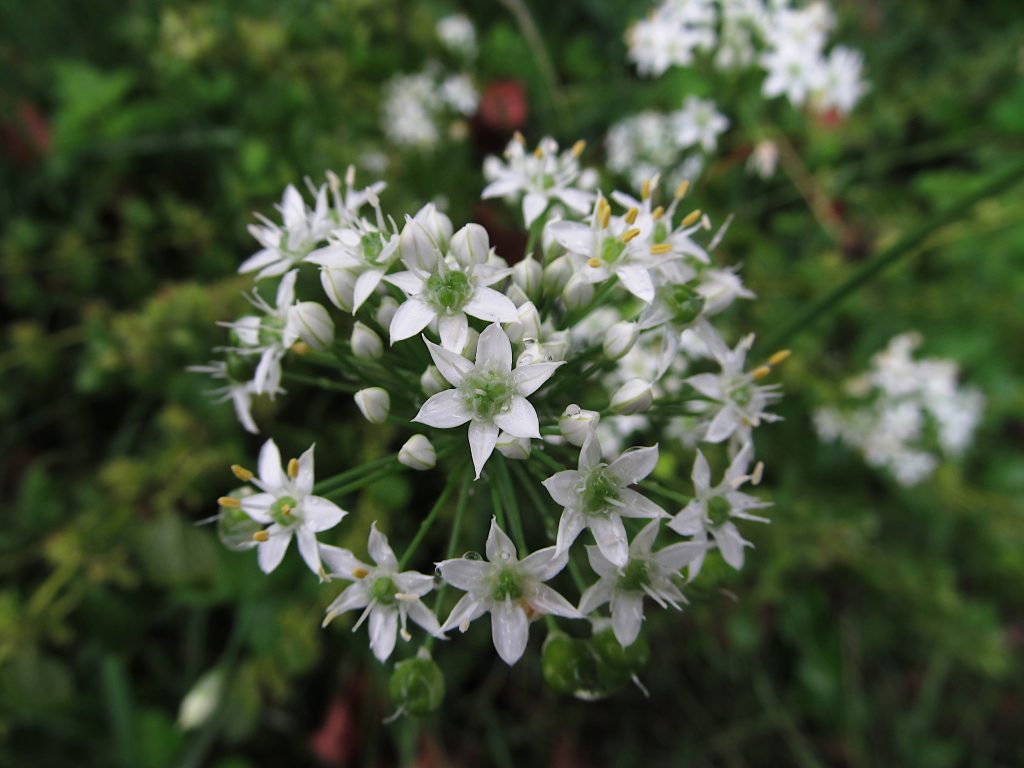
There are several types of garlic, including one who’s flowerhead is about 15cm in diameter and it looks spectacular when dried.
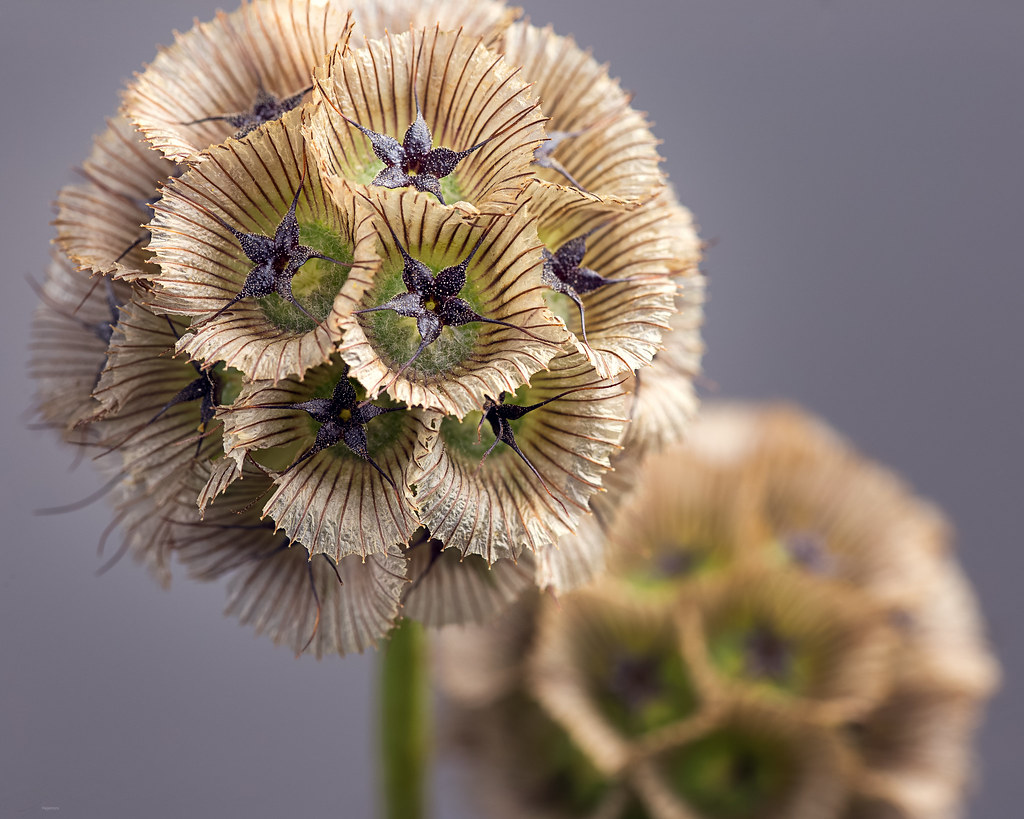
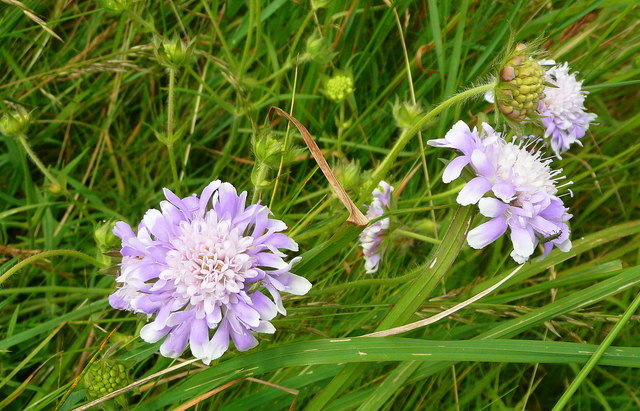
Scabious (Knautia Arvensis)
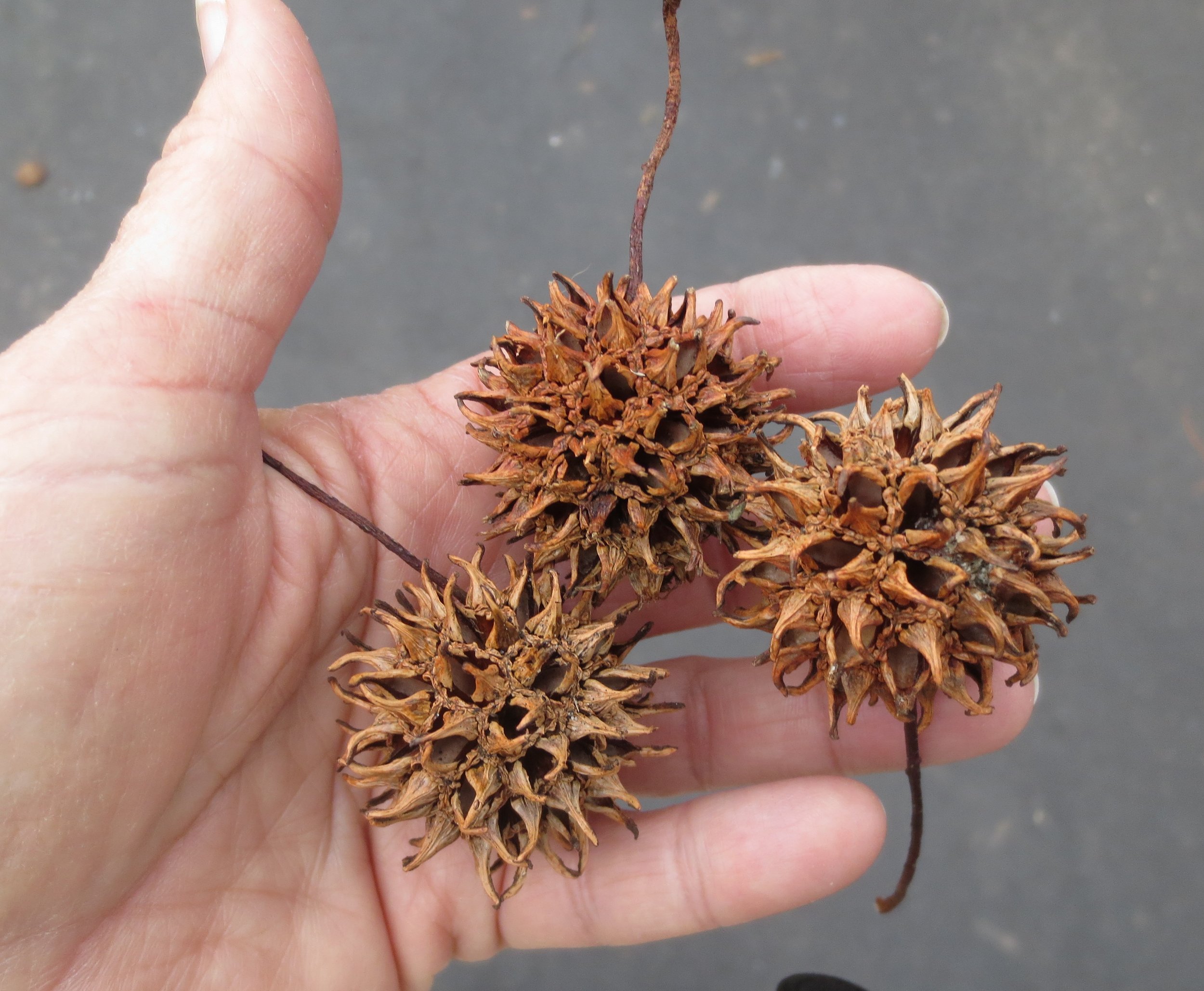
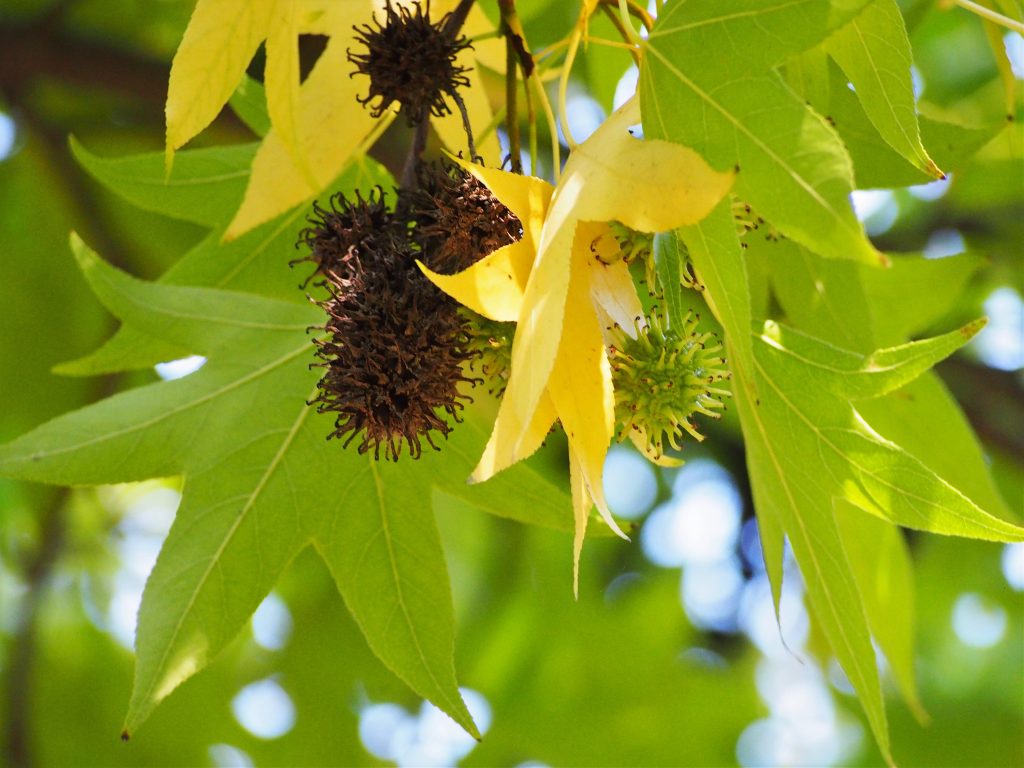
Sweet Gum Tree
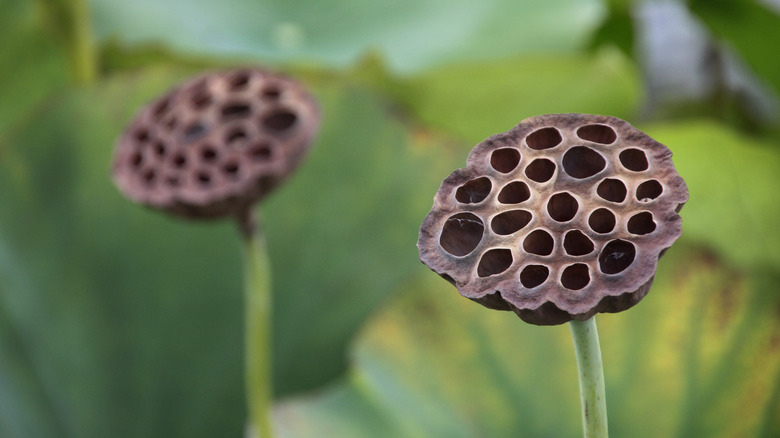
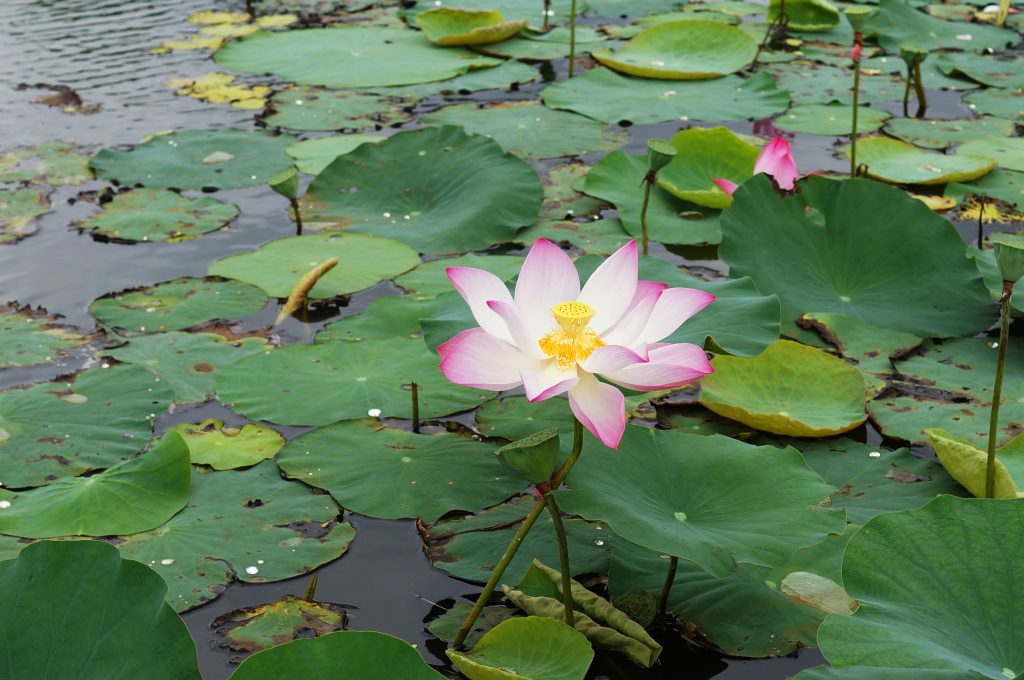
Lotus flower
This is “Nelumbonaceae“, which grows in ponds. Apparently, it is different from a “water lily” – I am not sure if water lilies have the same type of graphically-striking seedheads. Did you know, lotus flowers regulate their temperature to a narrow range of 30–35 °C ? (Similar to how the human body maintains a steady temperature.)
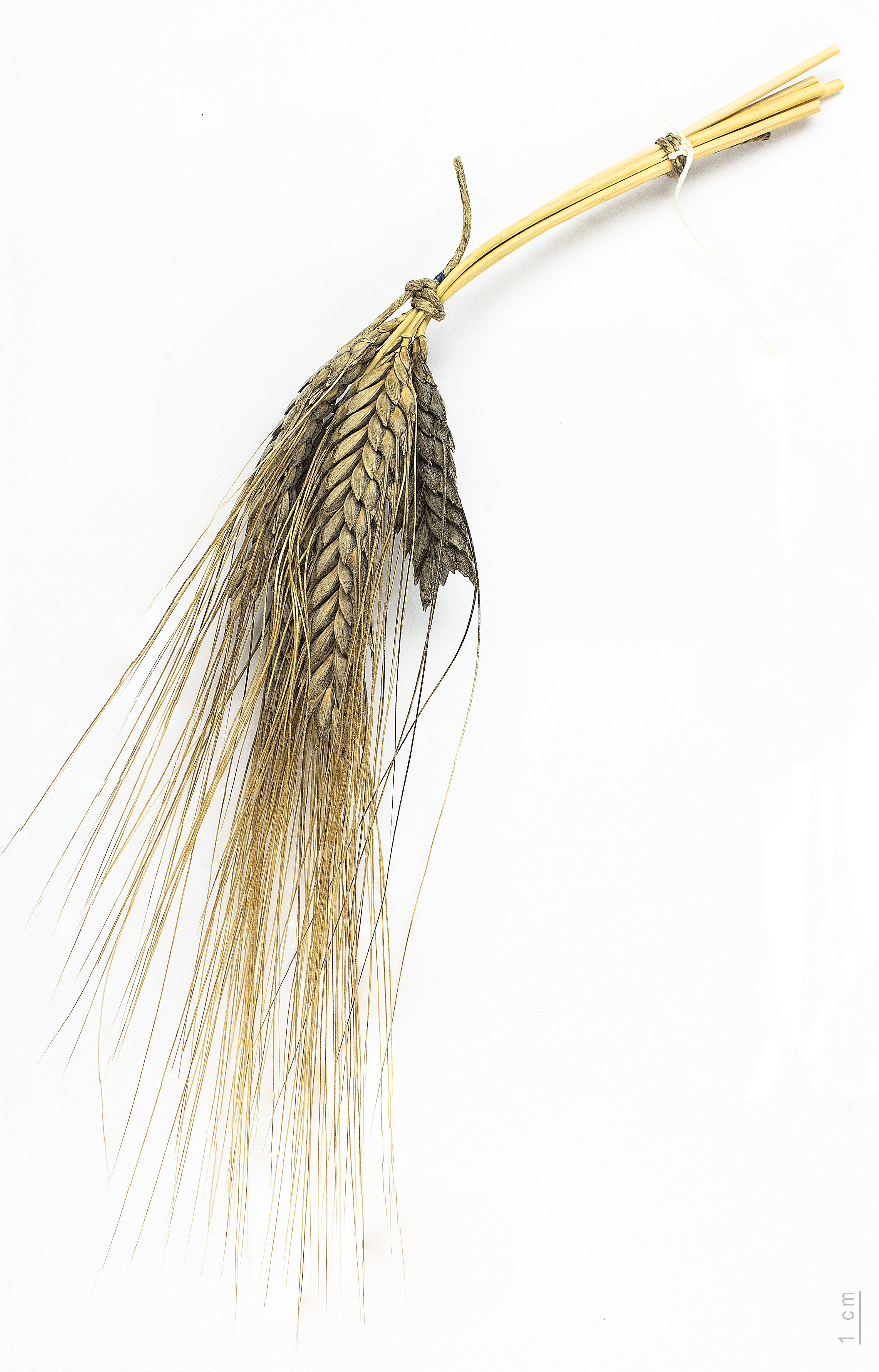
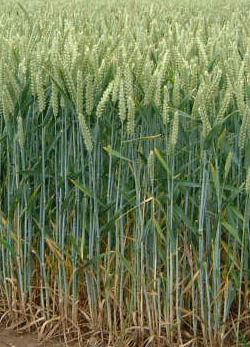
Wheat
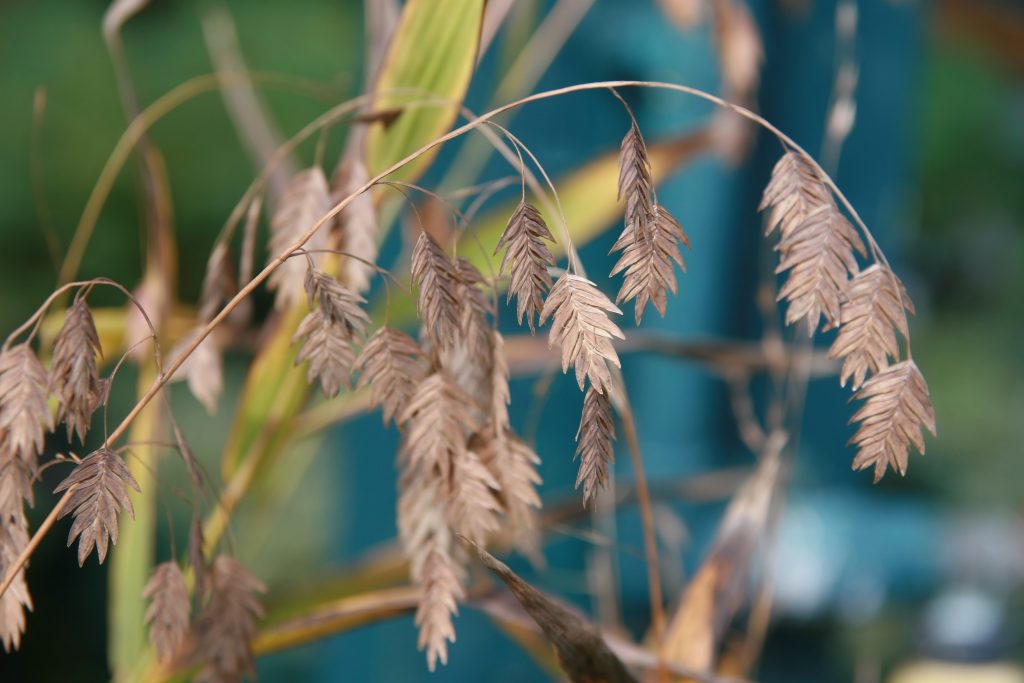
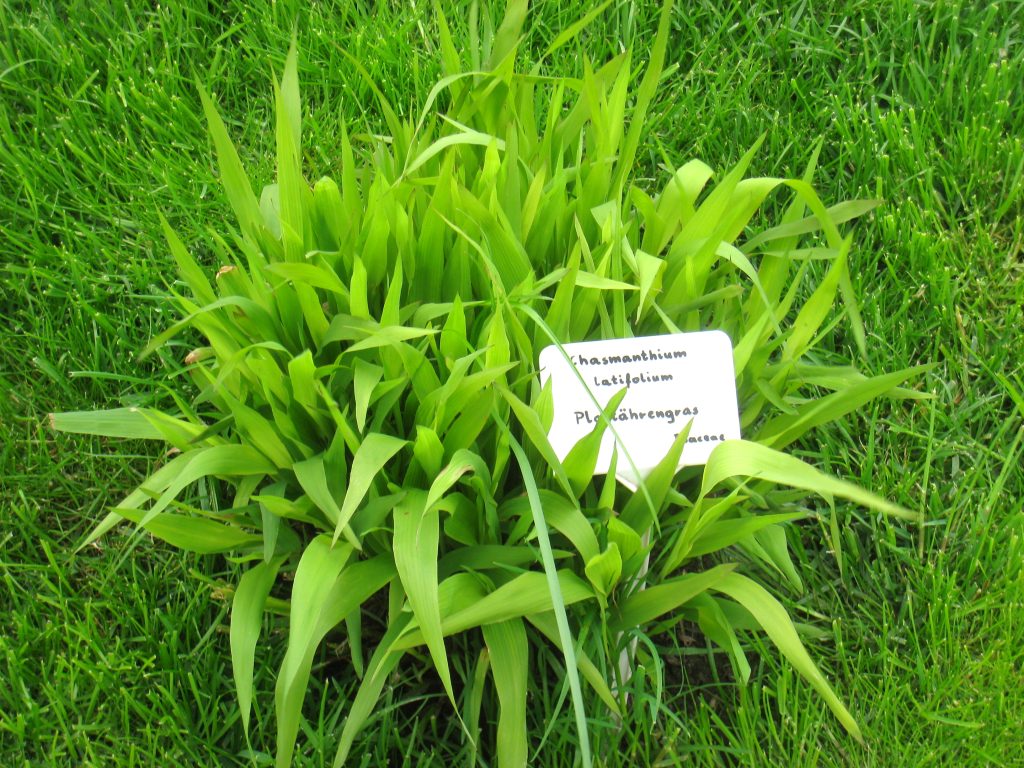
Northern Sea Oats
Also known as Chasmanthium Latifolium. It is a decorative grass.
Also check out “Quaking grass” (Briza media) whose seed pods are more puffy-looking.
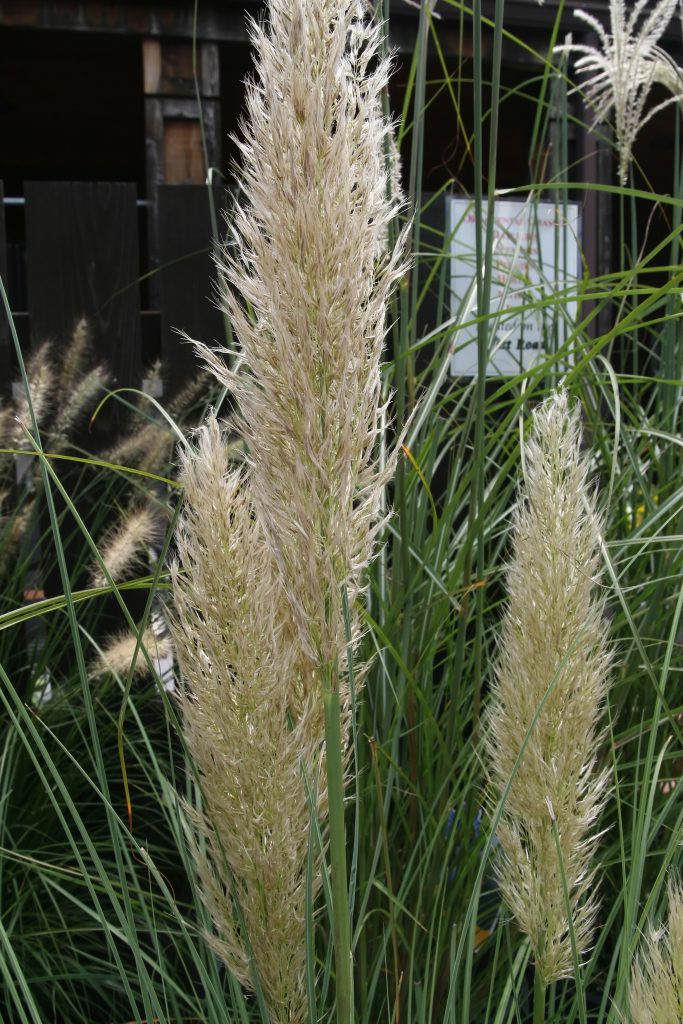
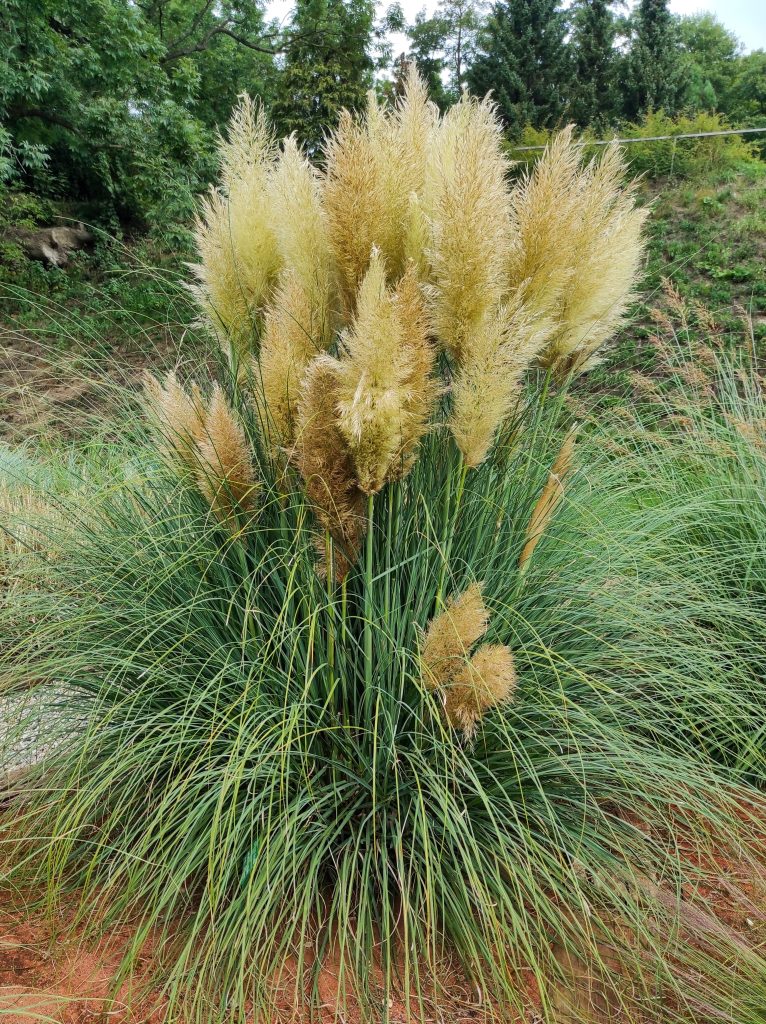
Pampas grass
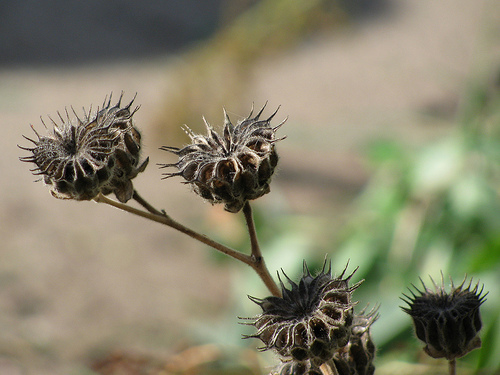
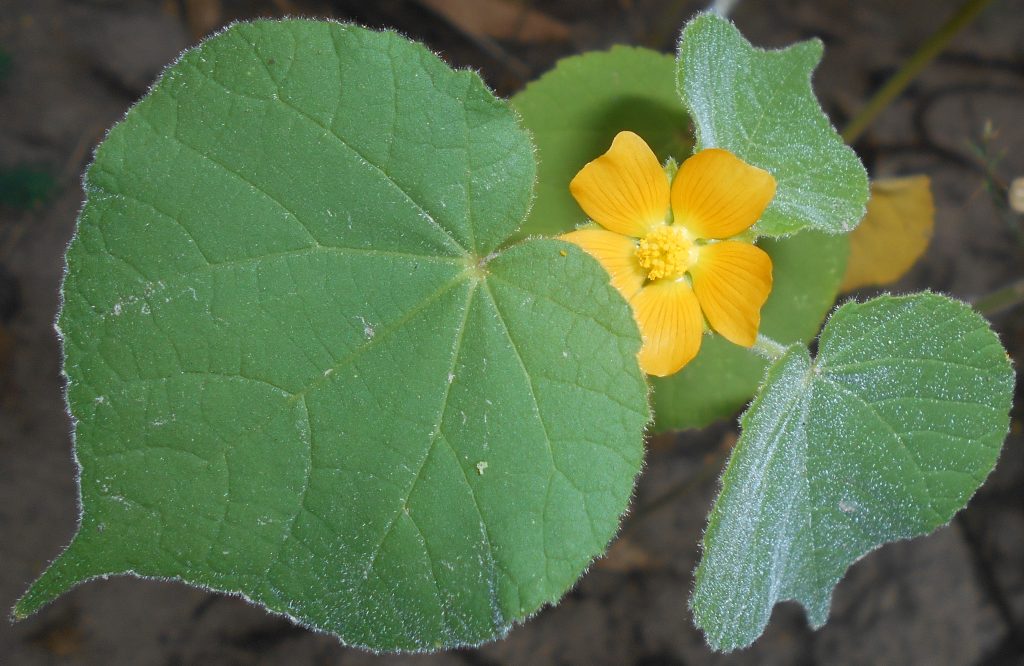
Abutilon theophrasti / Velvetleaf
Velvetleaf is invasive in North America, so do not actively plant it. But if you happen to find it growing nearby then you can harvest these cool-looking seedheads. More info here.
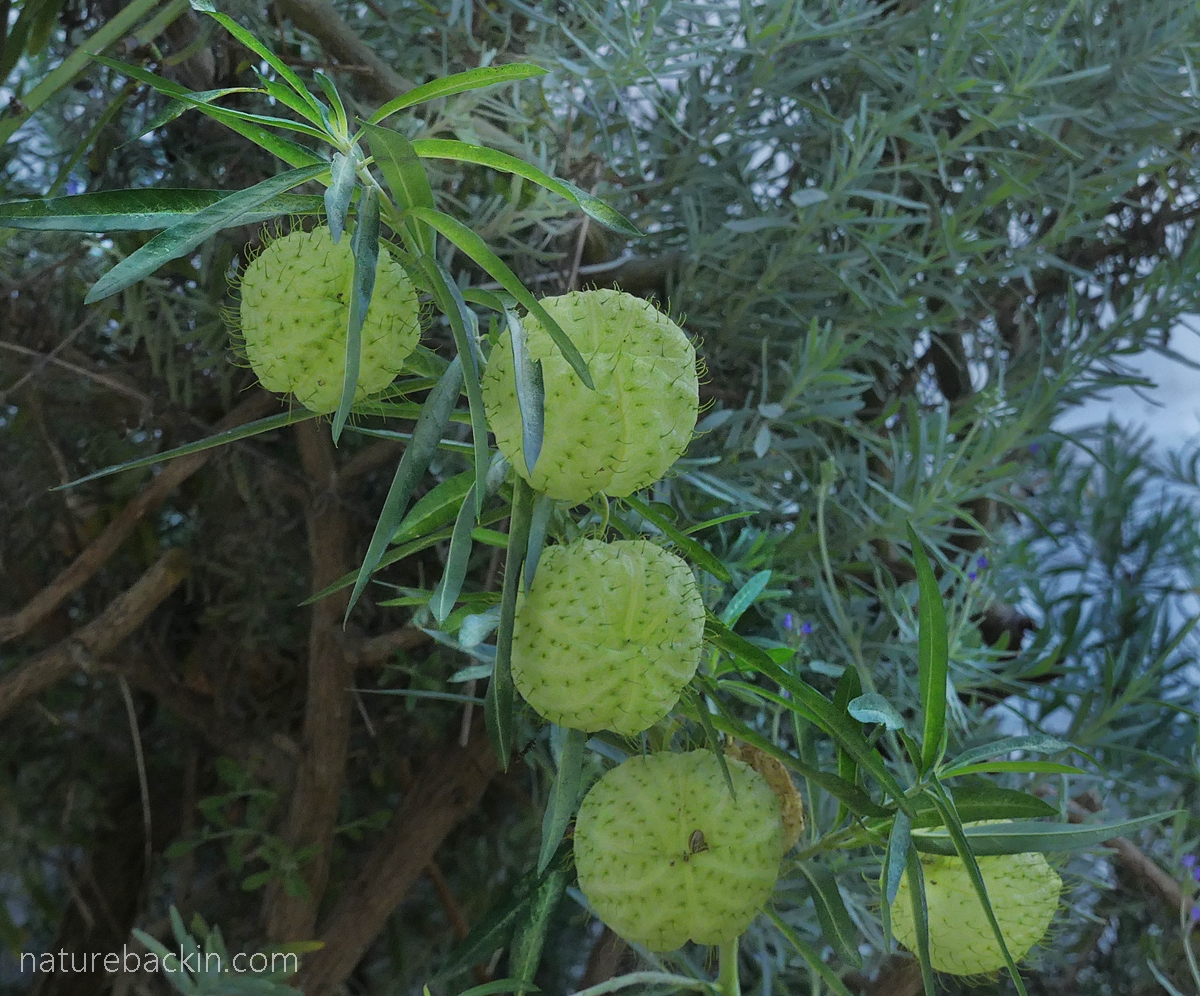
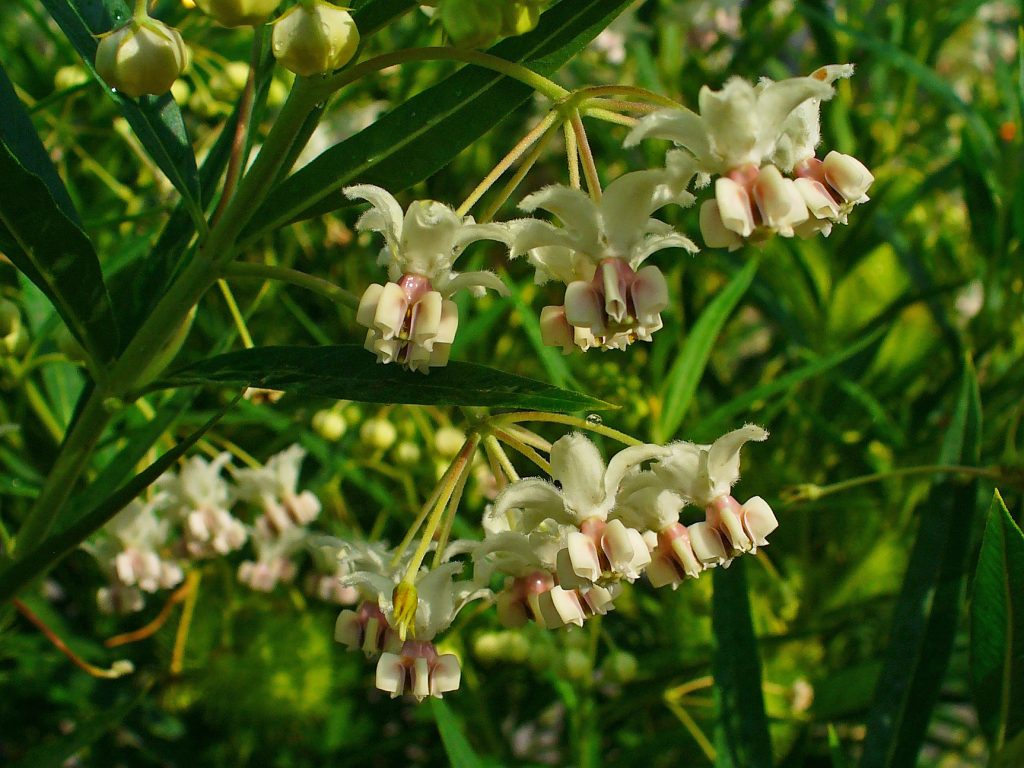
Gomphocarpus physocarpus
This is an ornamental bush-sized plant that’s also known as “baloonplant”. The “baloons” seem to crack open and release their seeds at a certain point. So if you are thinking of drying and displaying them whole, I think you’d need to cut them while still green and dry them indoors. Their sap is toxic – do not get it in your eyes.
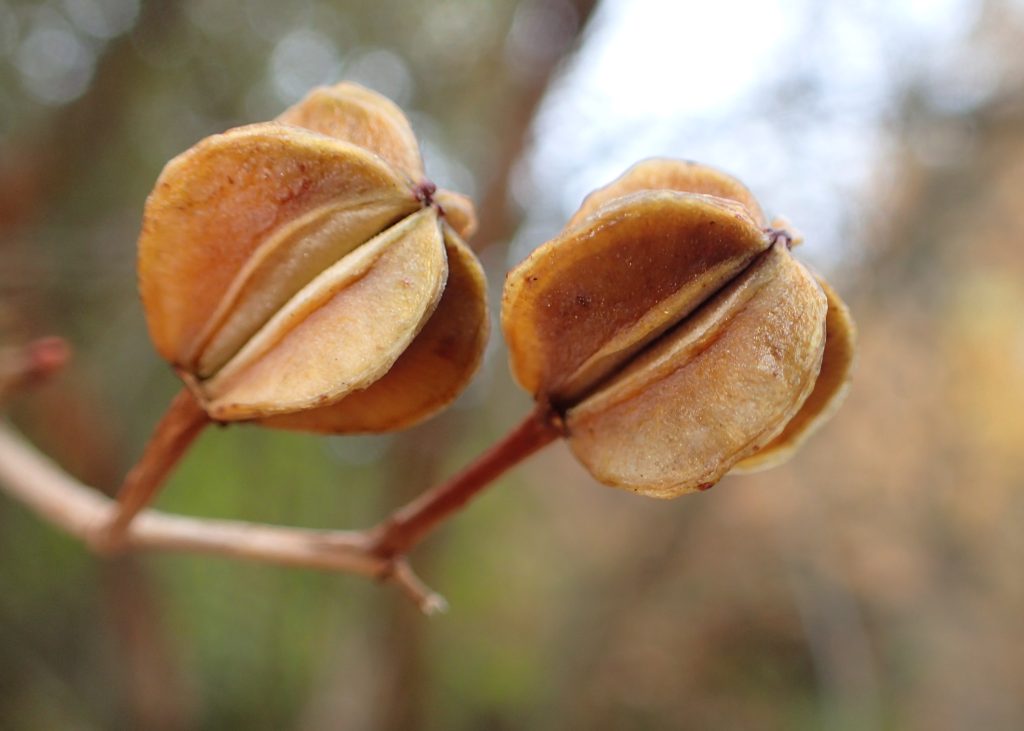
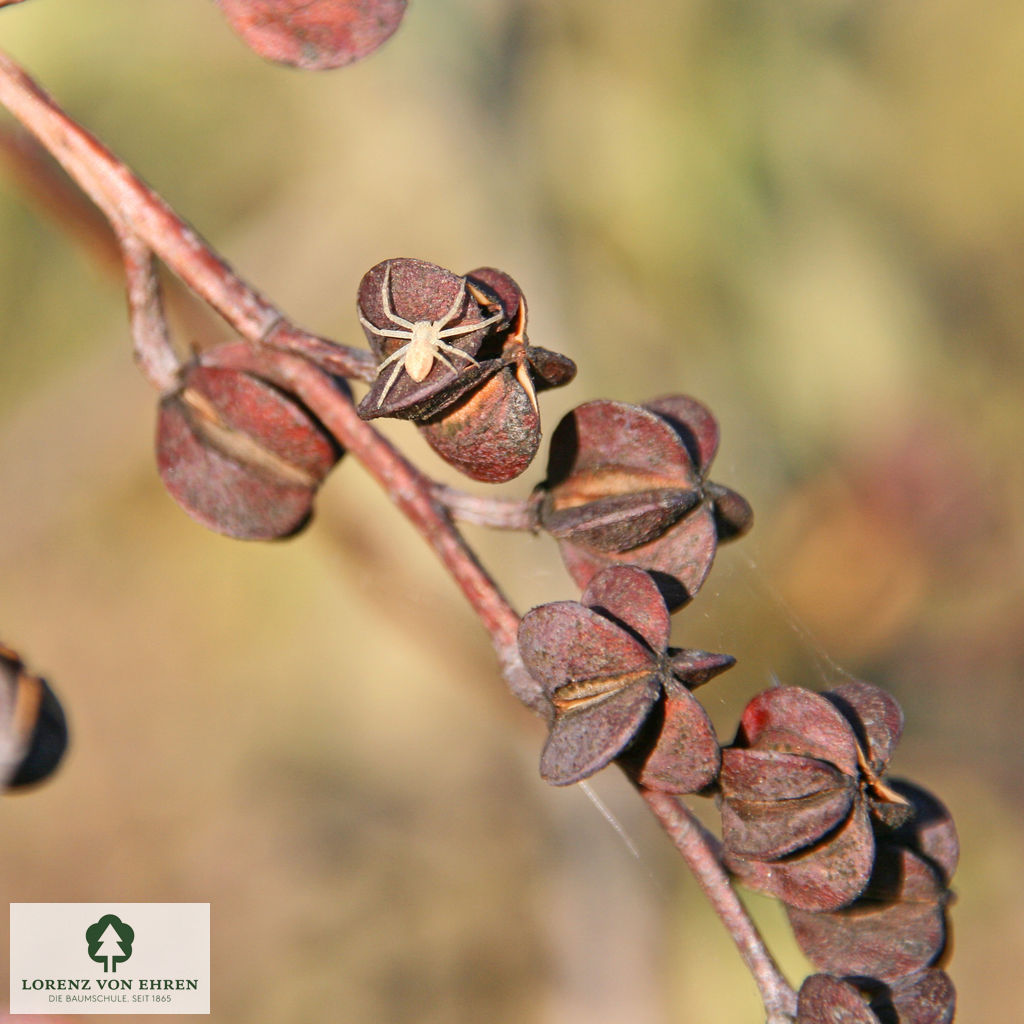
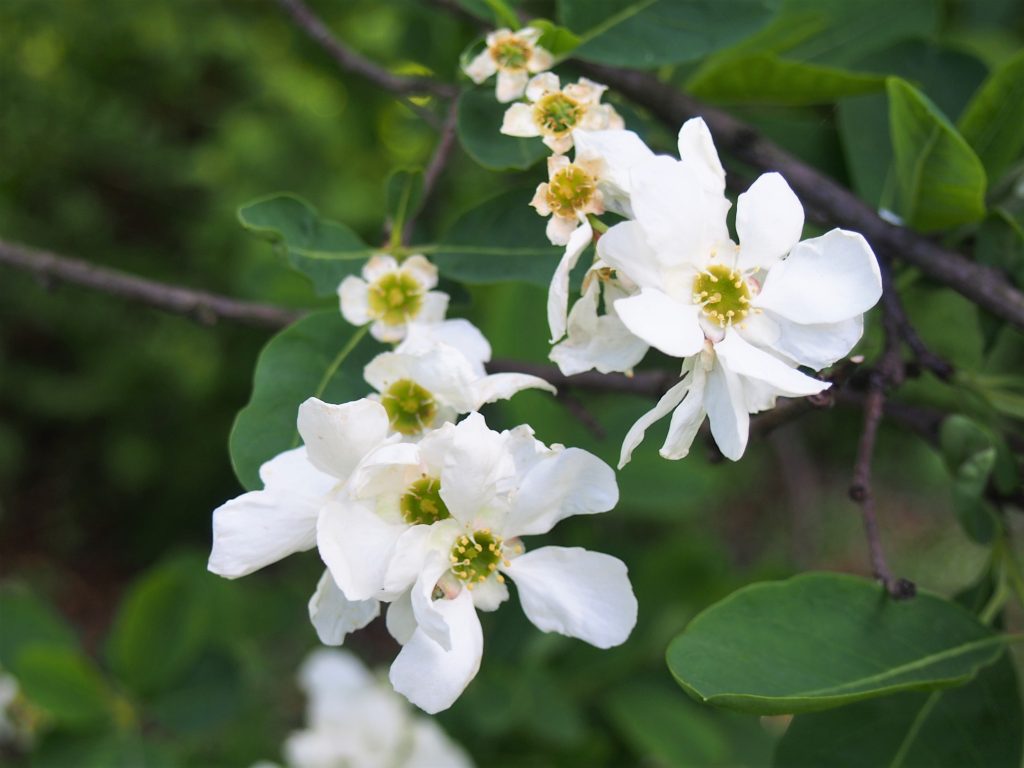
Exochorda
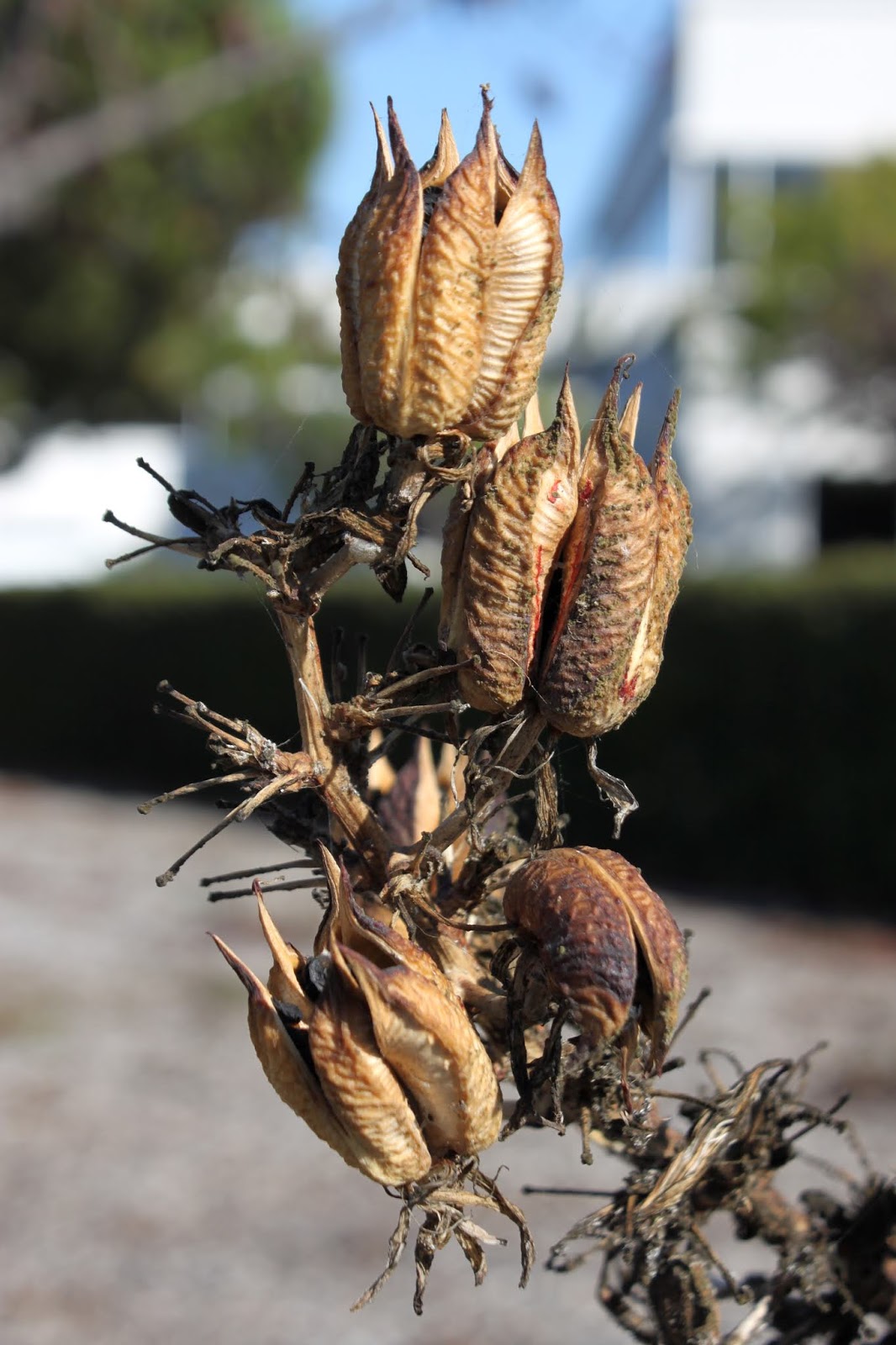
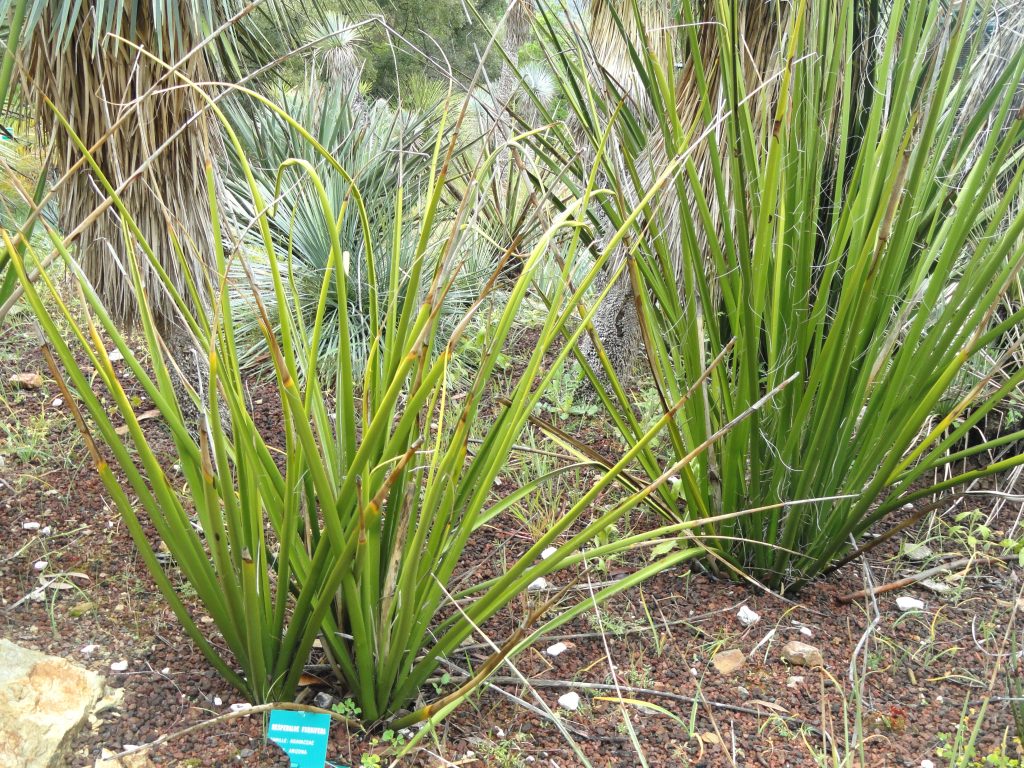
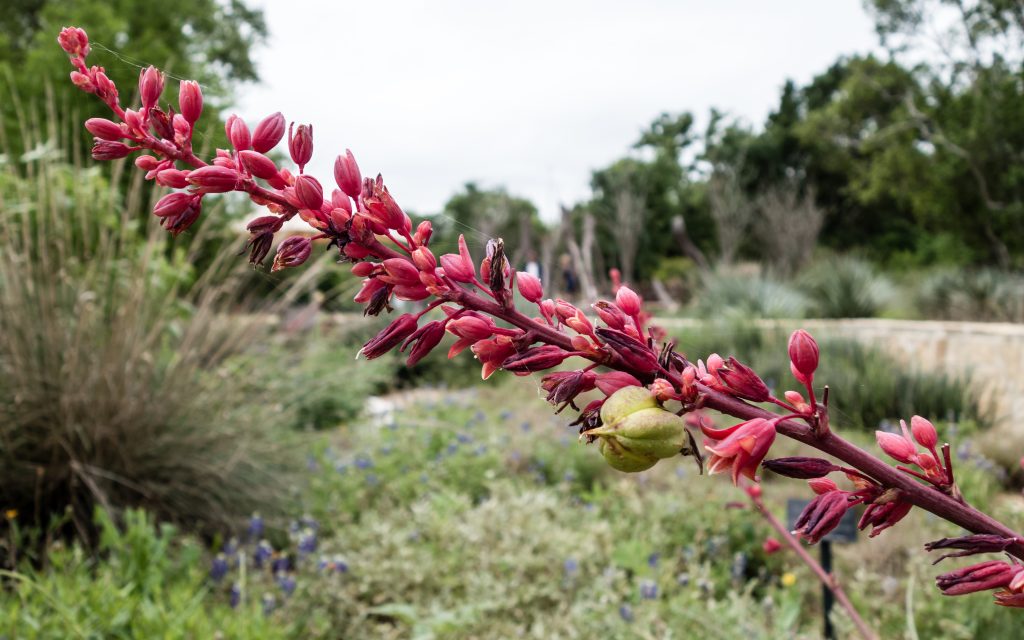
Hesperaloe (aloe)
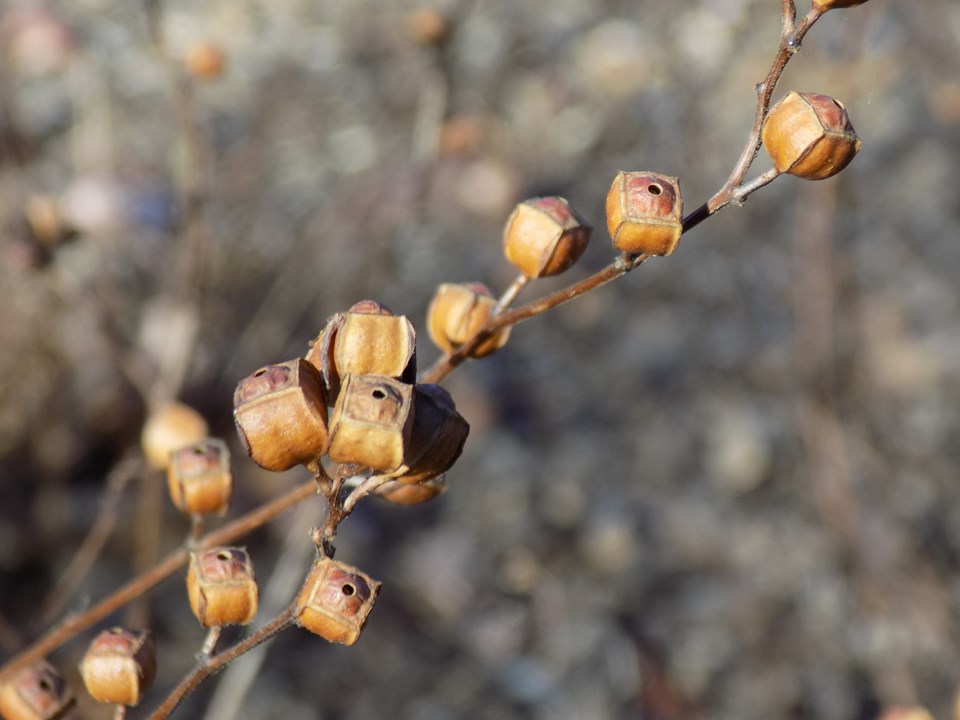
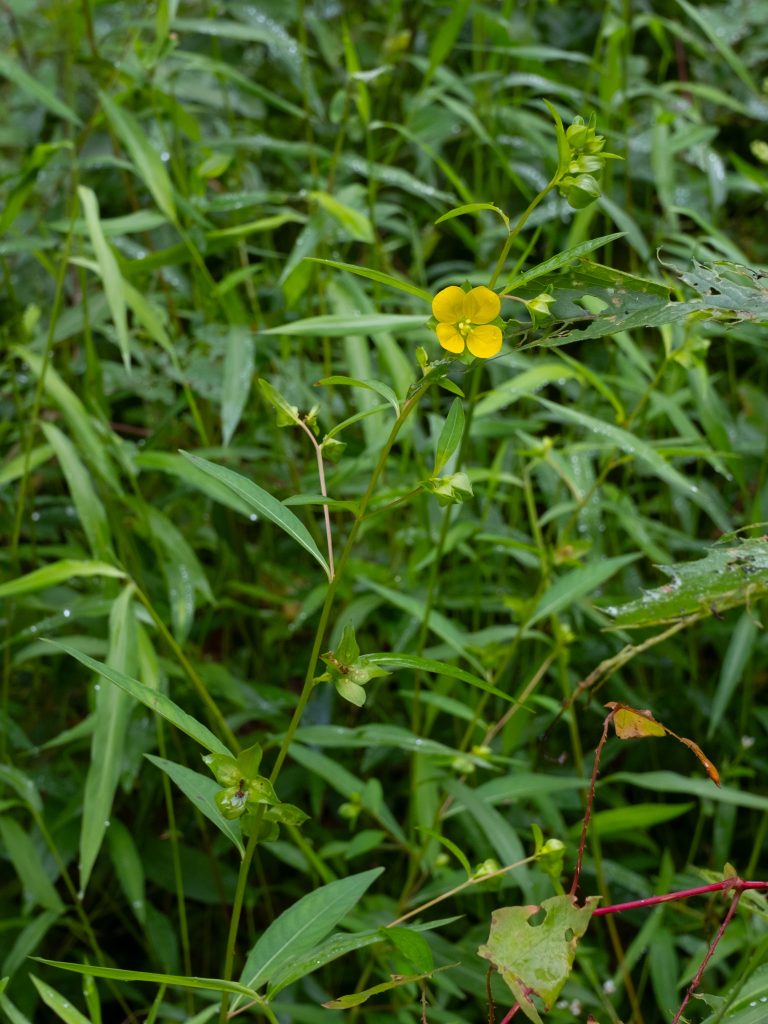
Seedbox / Ludwigia alternifolia
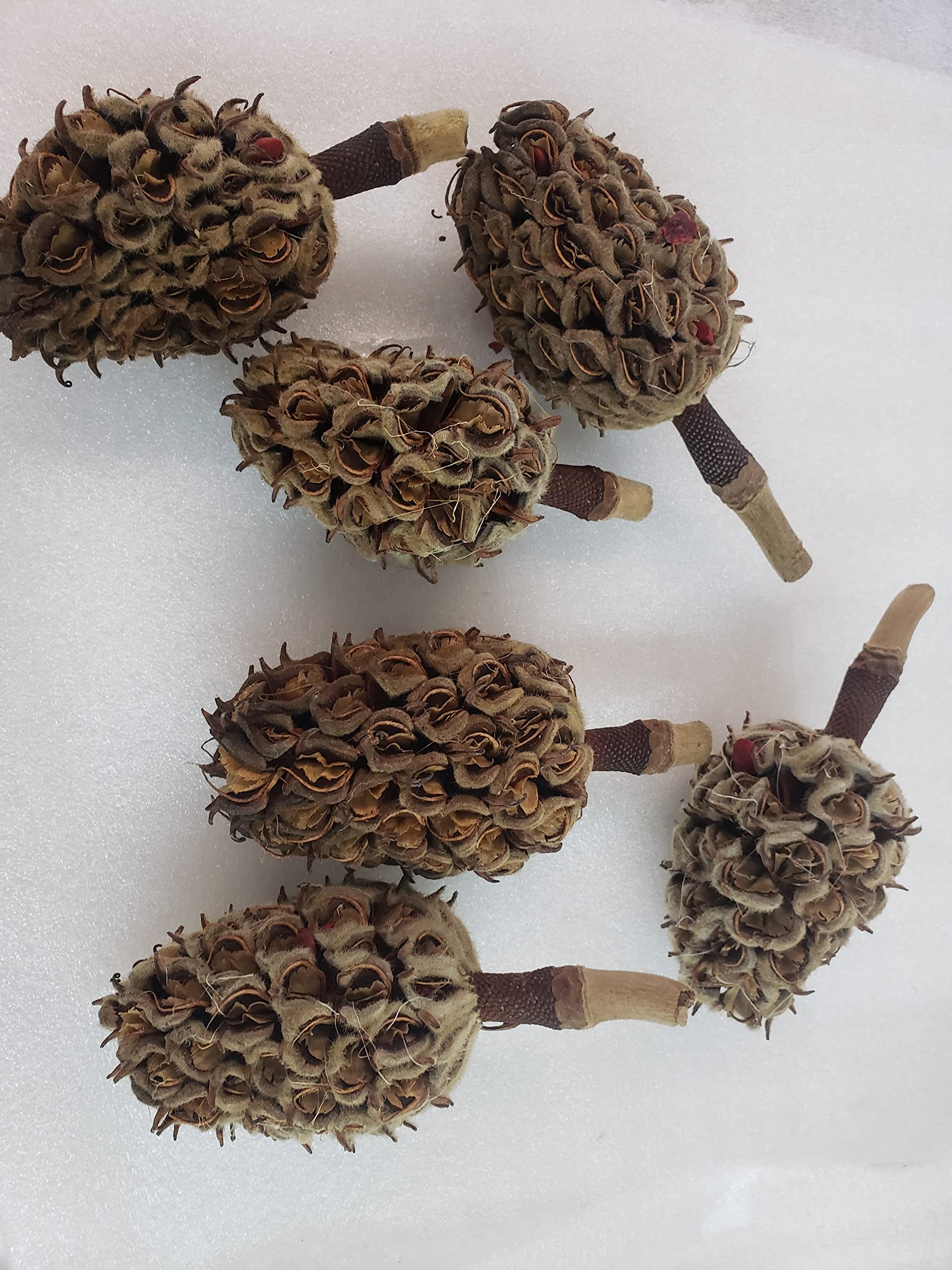
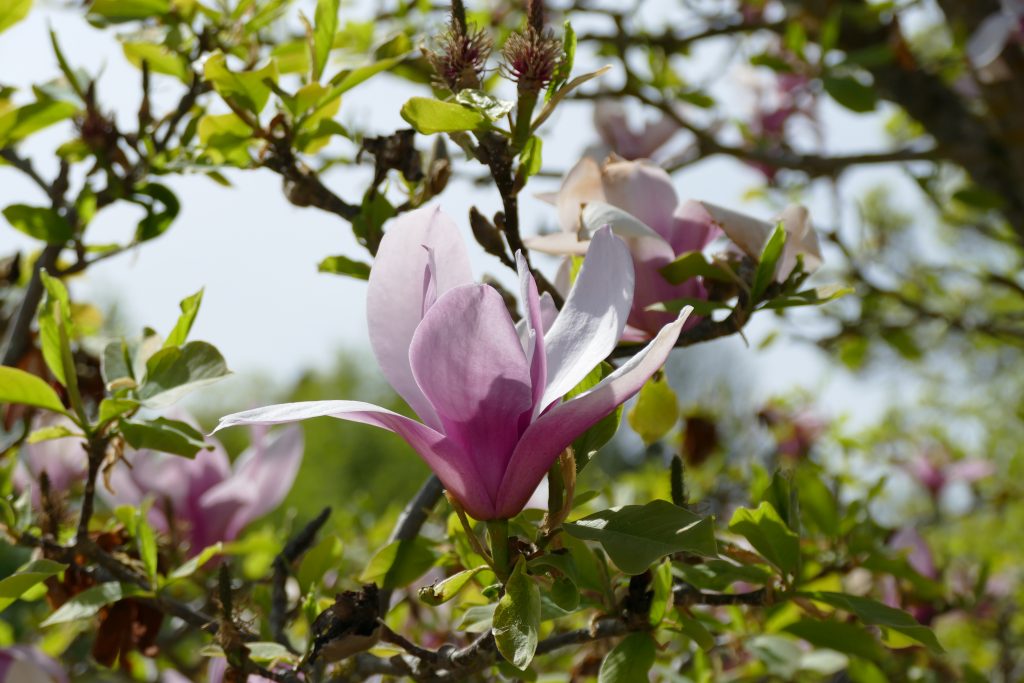
Magnolia
Magnolia trees have distinctive flowers (that evolved to be pollinated by beetles!), and their seedheads have a unique look.
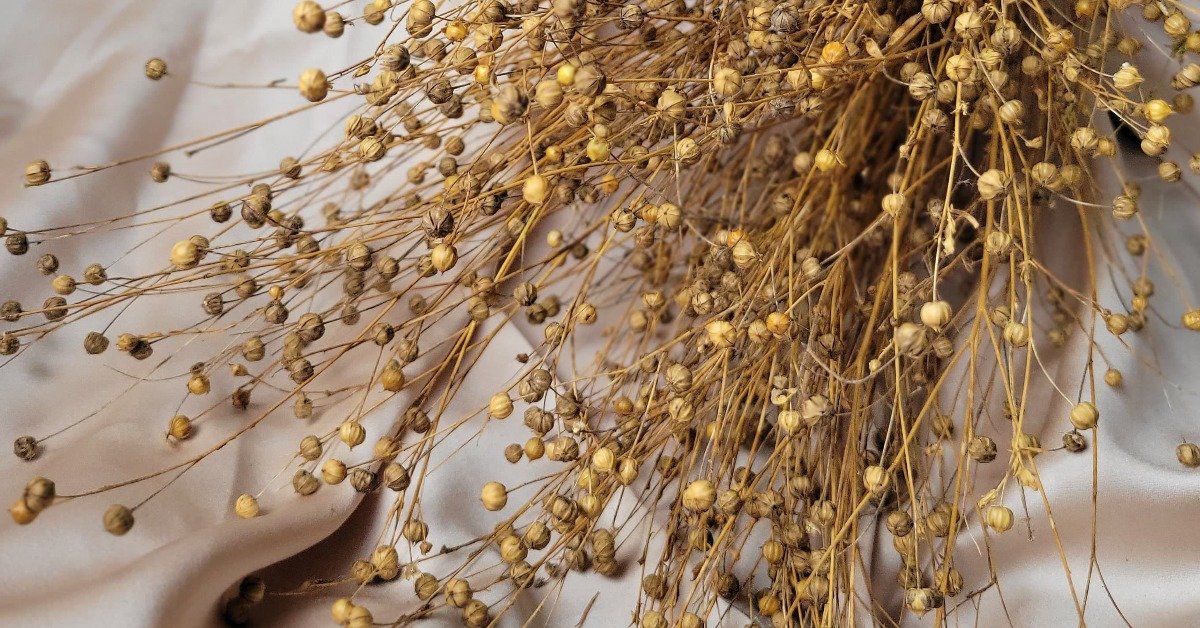
Bubble Flax
Also known as Linum usitatissimum.

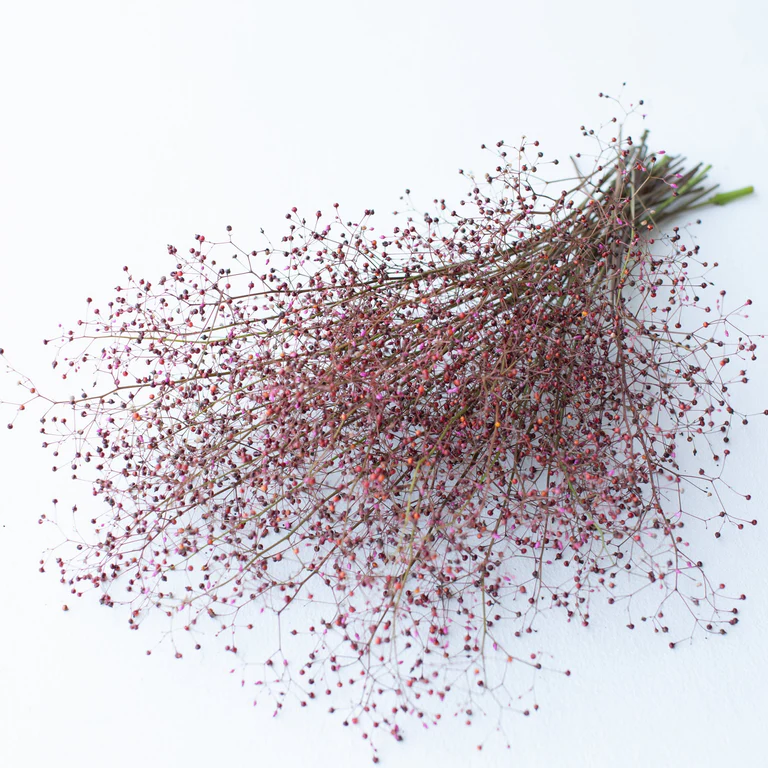
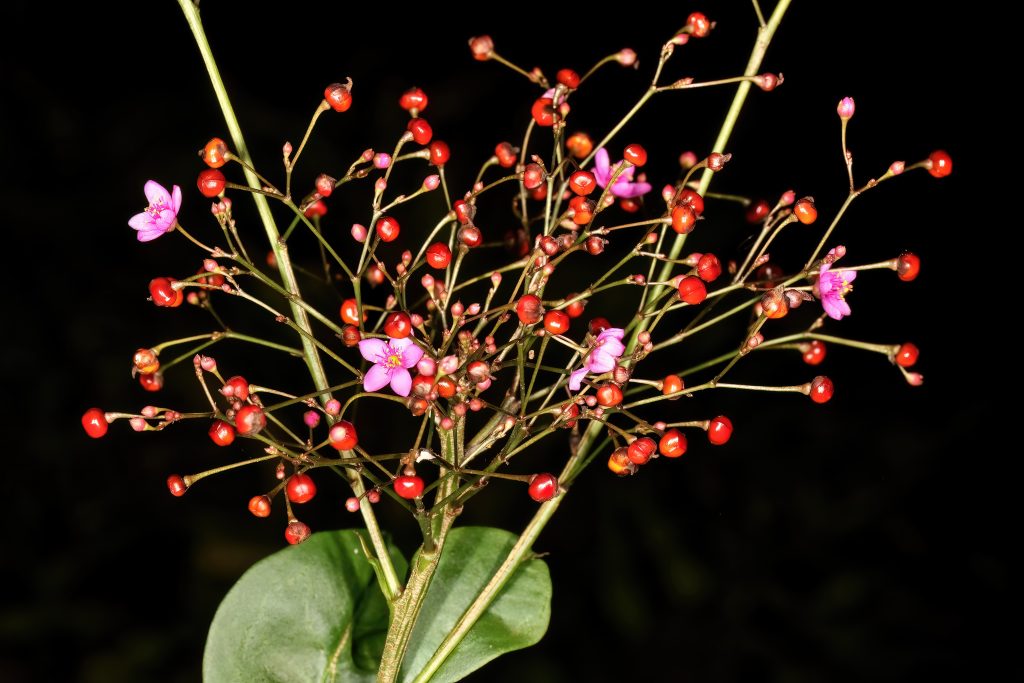
Jewels of Opar
Also known as Talinum paniculatum.
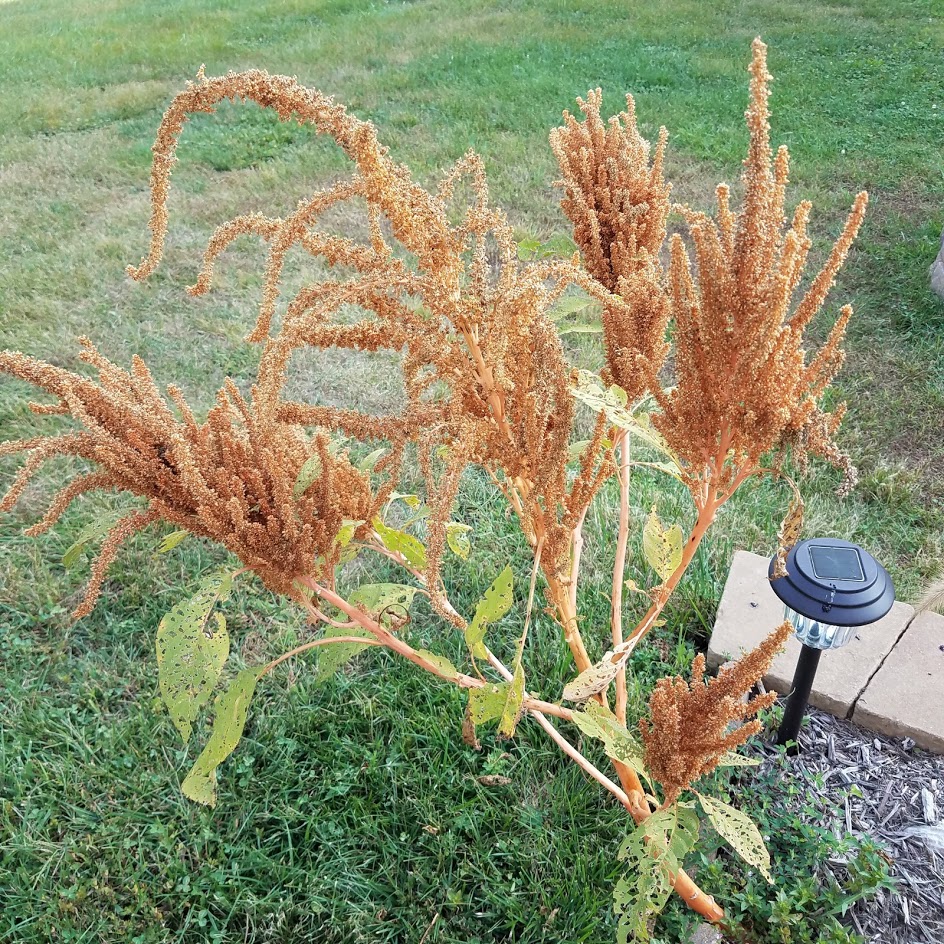
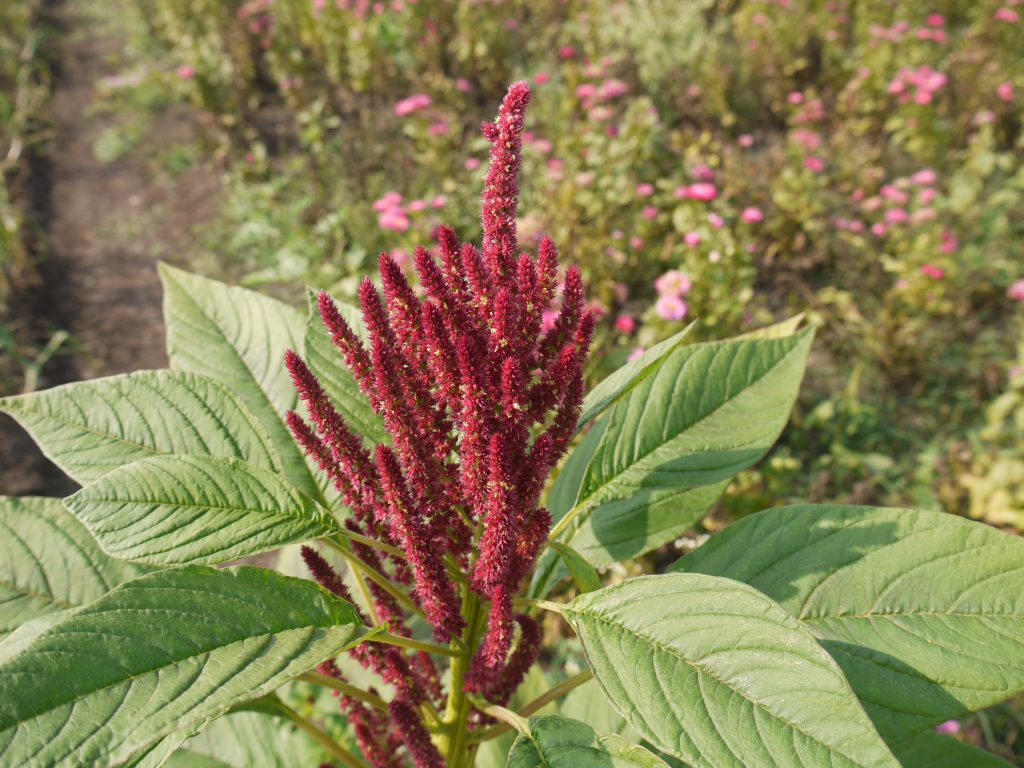
Amaranth
Amaranth plants are supposed to be dropping thousands of little seeds, so it might be tricky to dry them in a way that retains the seeds / the look. You may need to harvest them before the seeds are fully ripe, or spray them with spray lacquer.
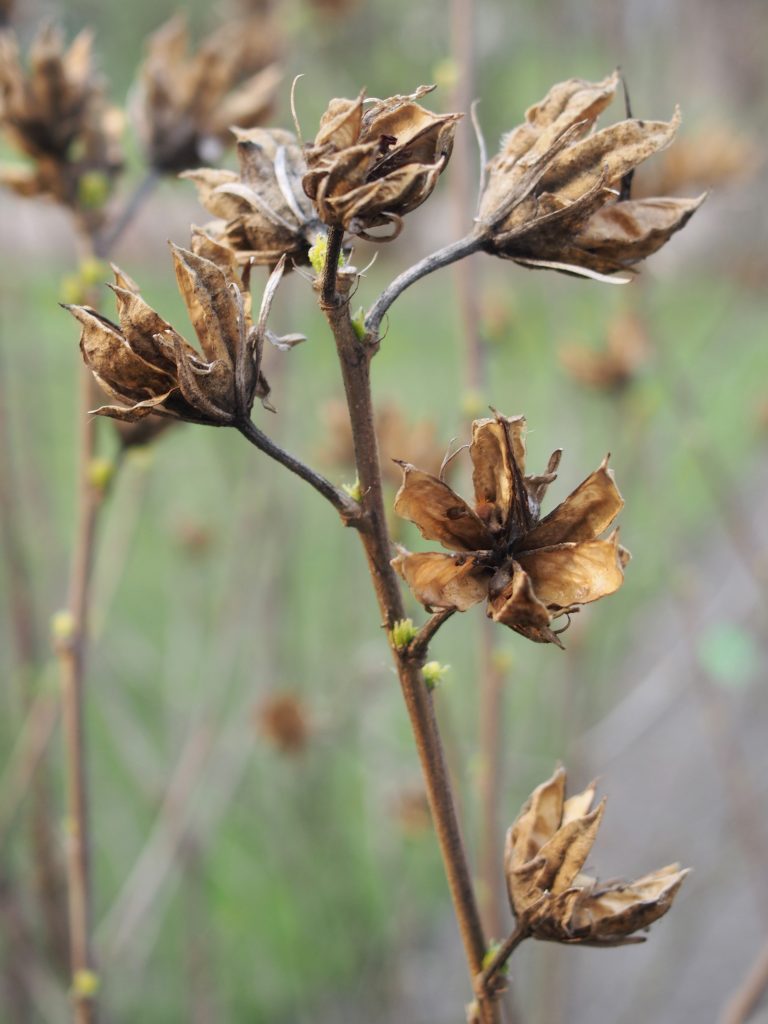
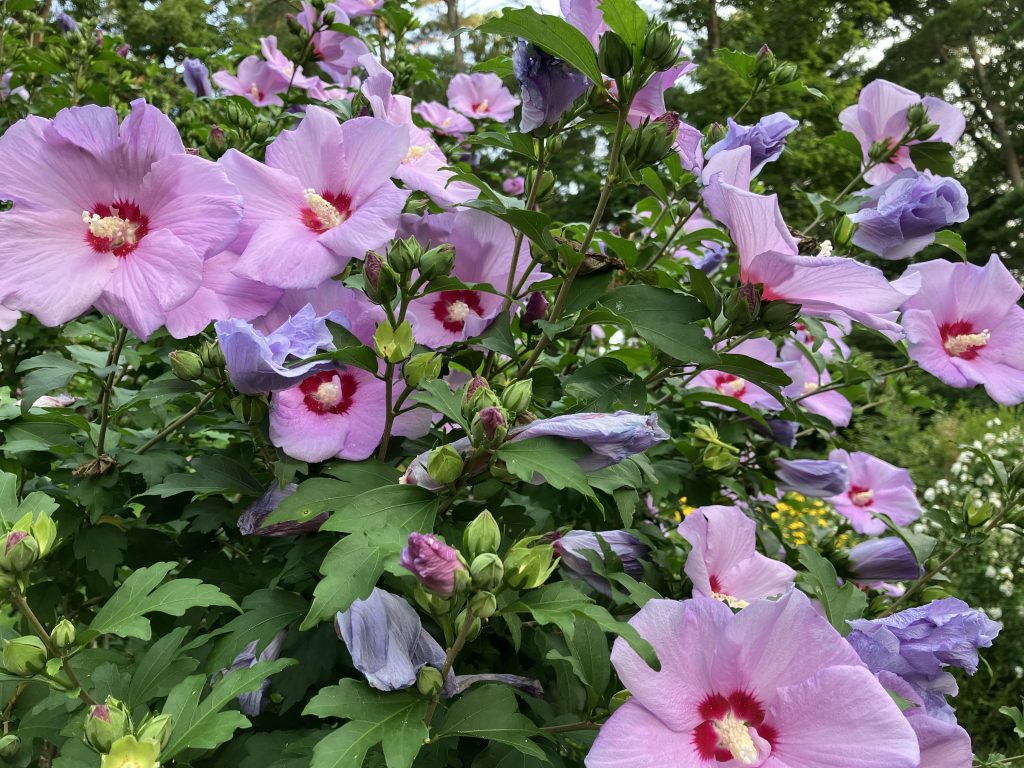
Rose of Sharon
Also known as Hibiscus syriacus. The seed heads are interesting-looking, but the stems tend to be fairly short. You may need to prune the hibiscus bush in order to intentionally produce long stems with flower bundles at the tips.
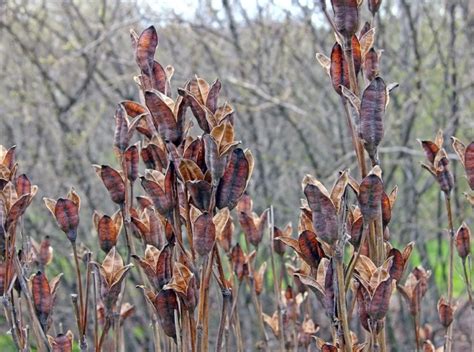
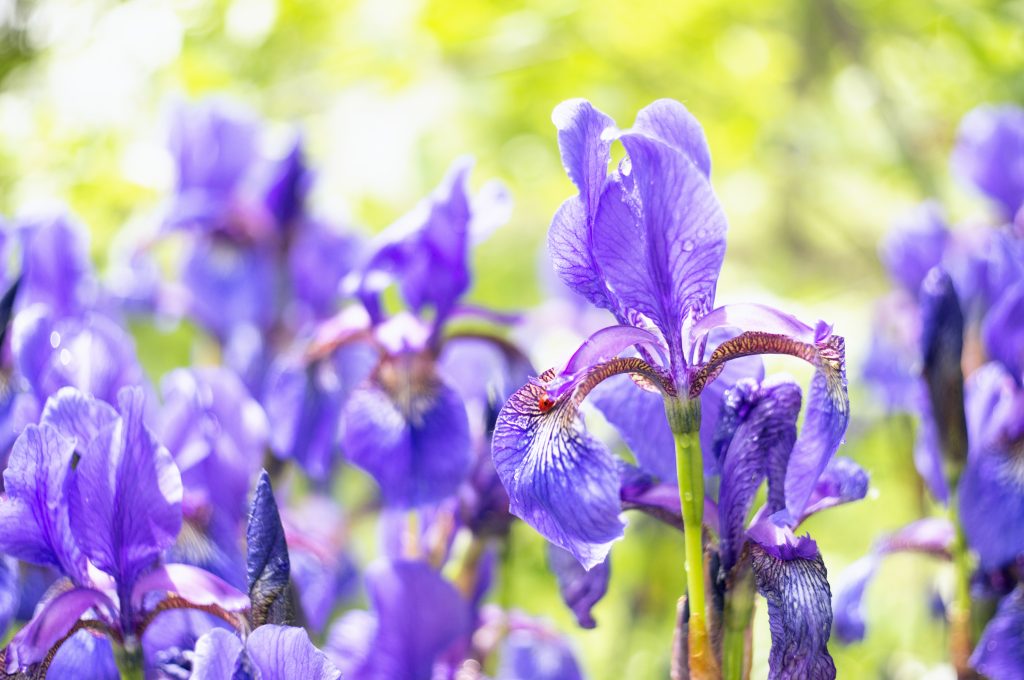
Siberian iris
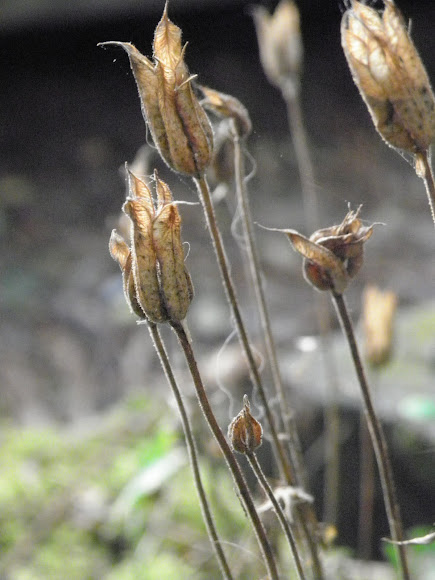
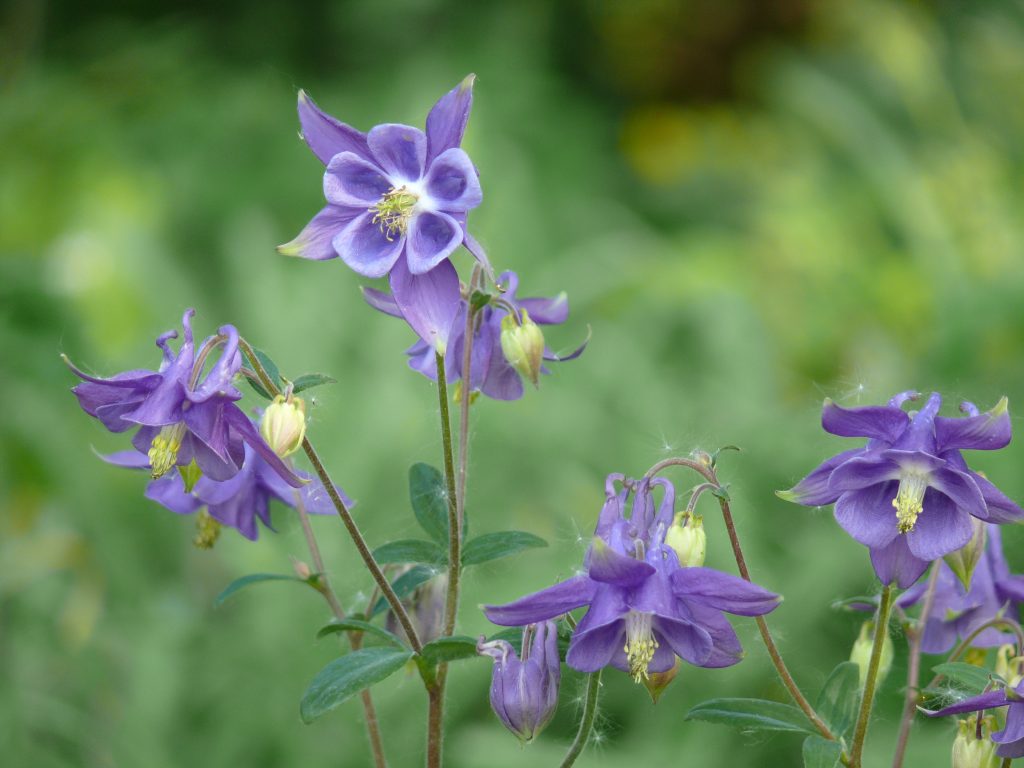
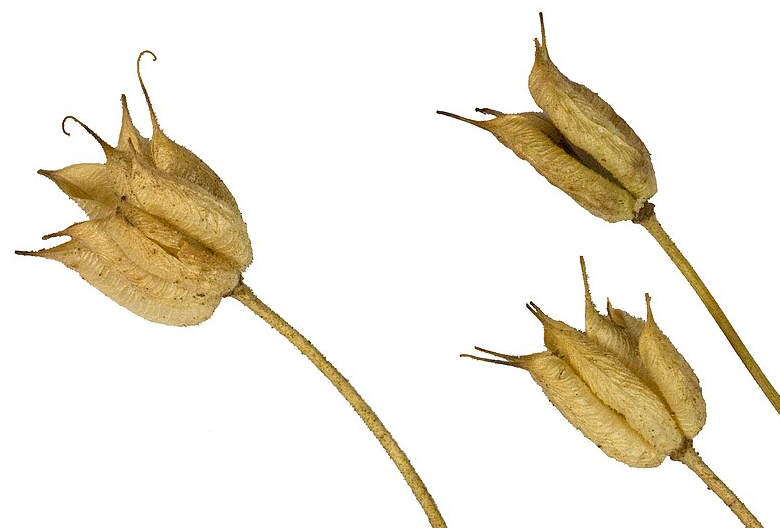
Columbine (Aquilegia vulgaris)
These freaky deaky flowers turn wonderfully witchy when they go to seed.
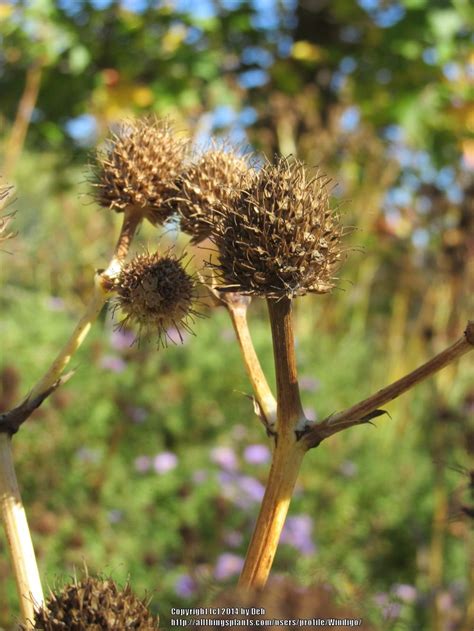
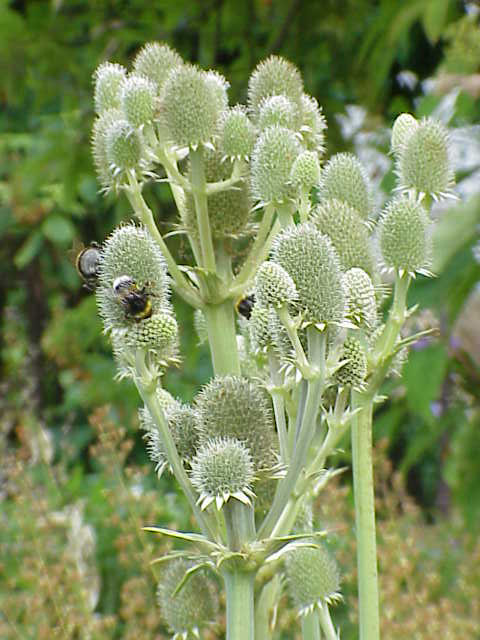
Rattlesnake Master (Eryngium yuccifolium)
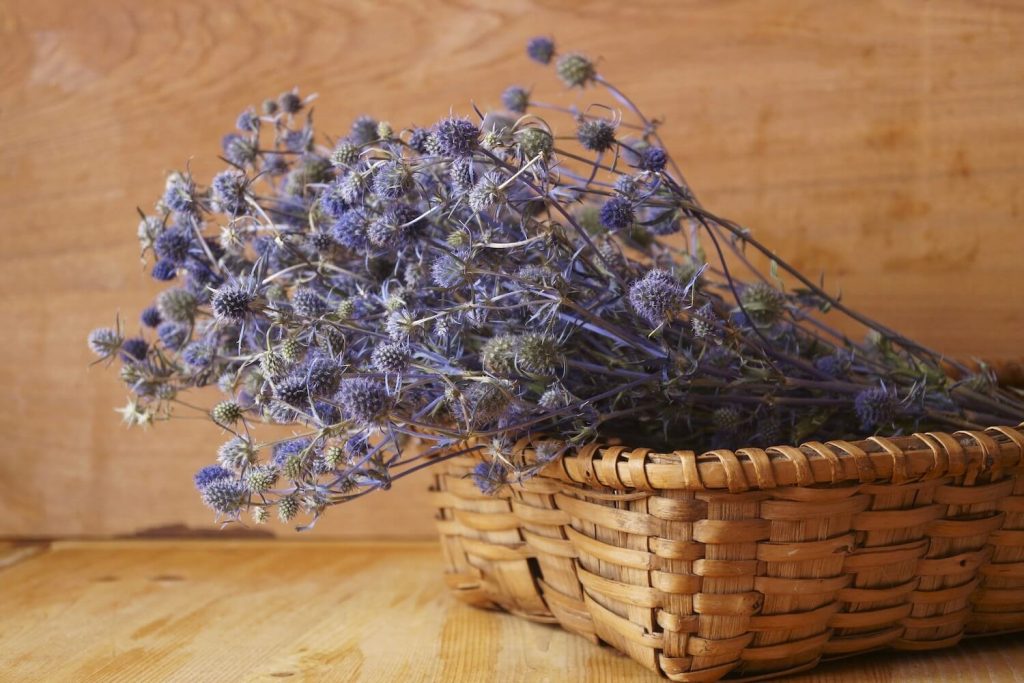
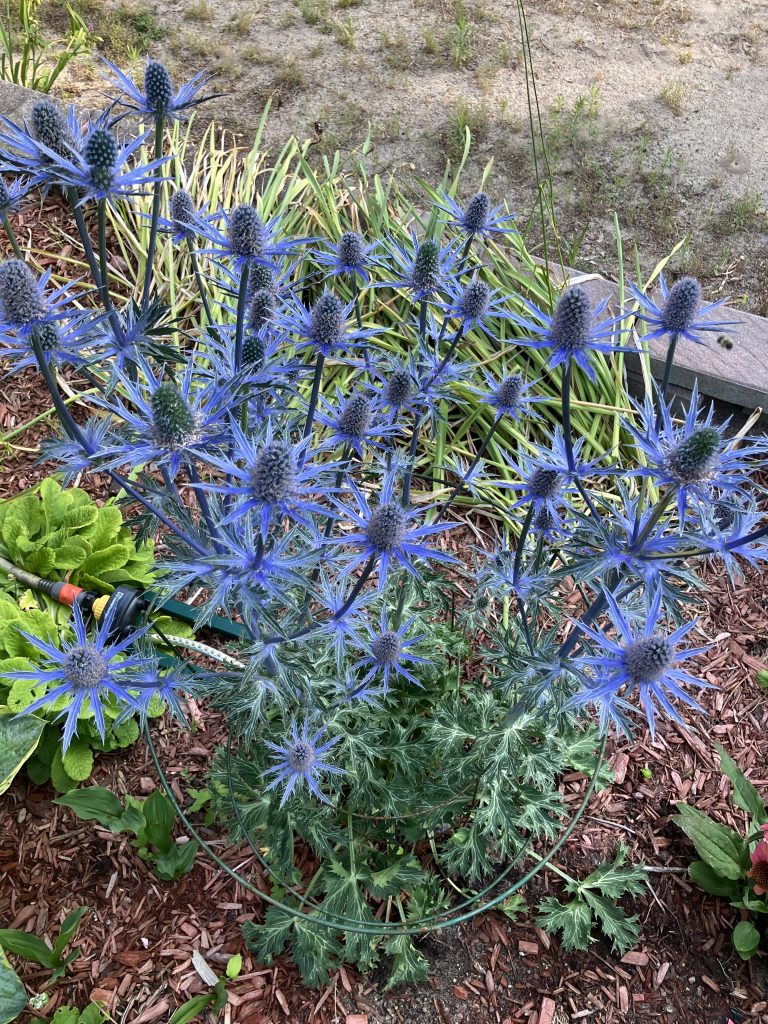
Eryngium “Sea Holly”
It grows blue and dries blue.
Miss Willmott’s Ghost (Eryngium giganteum)
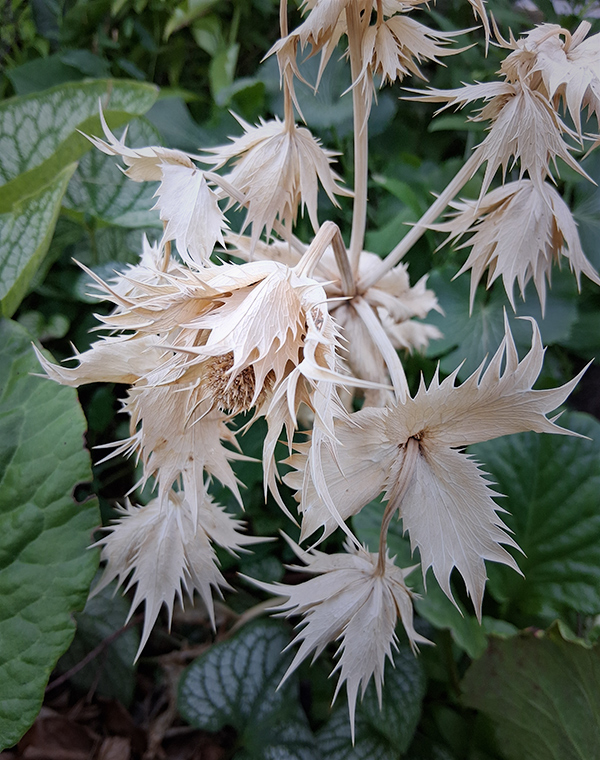
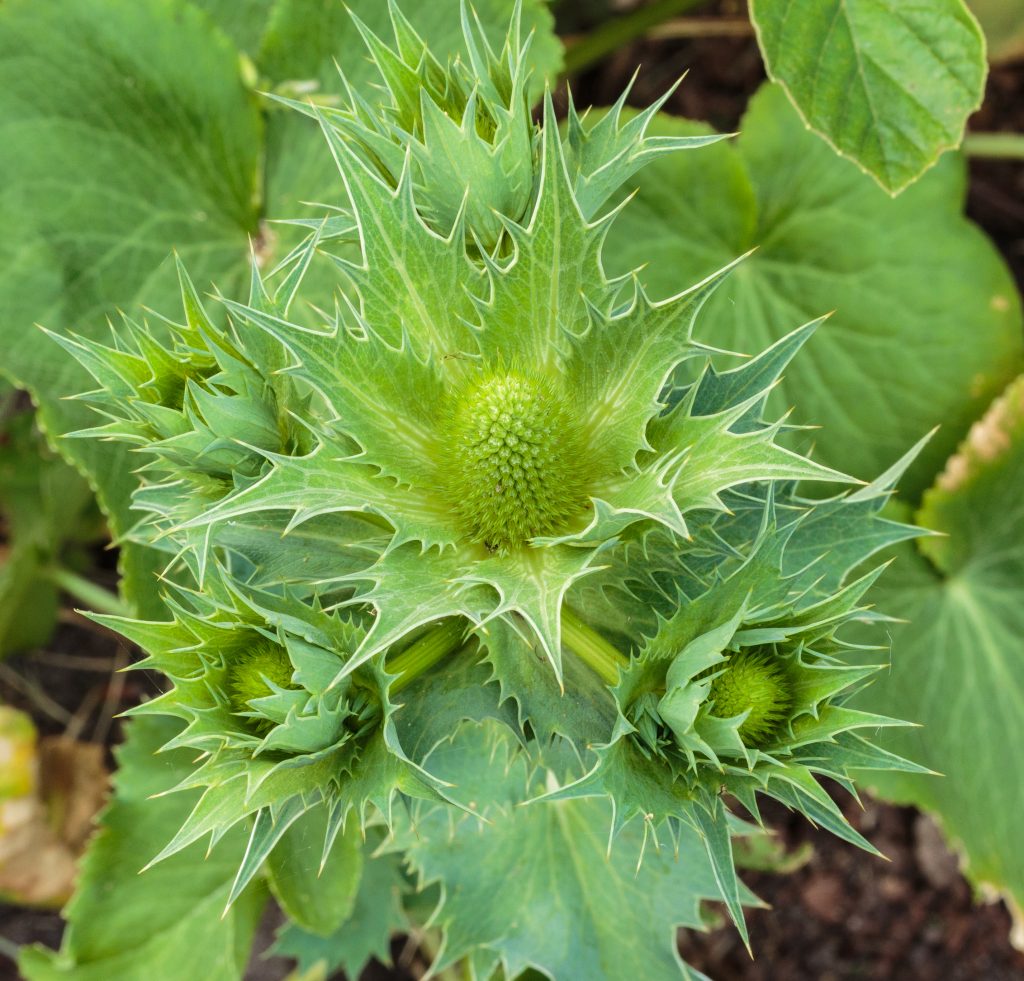
A lot of Eryngium varieties are great for drying. You can browse lots of them here.
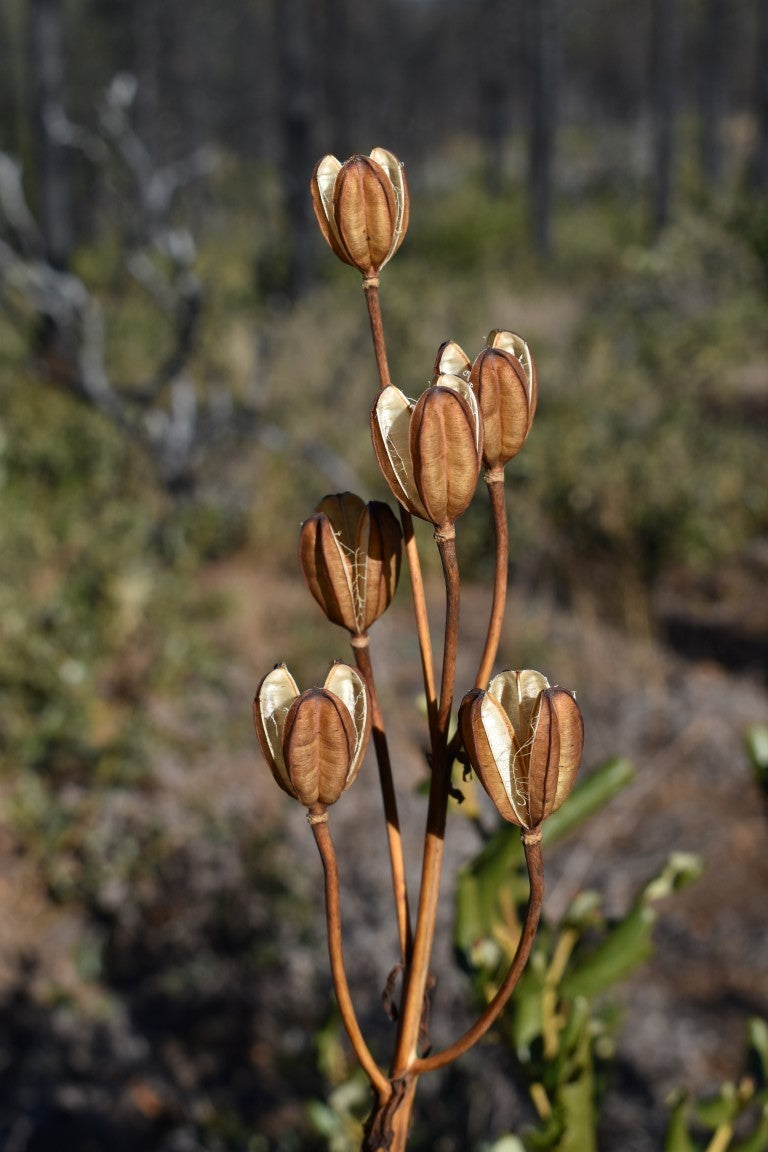
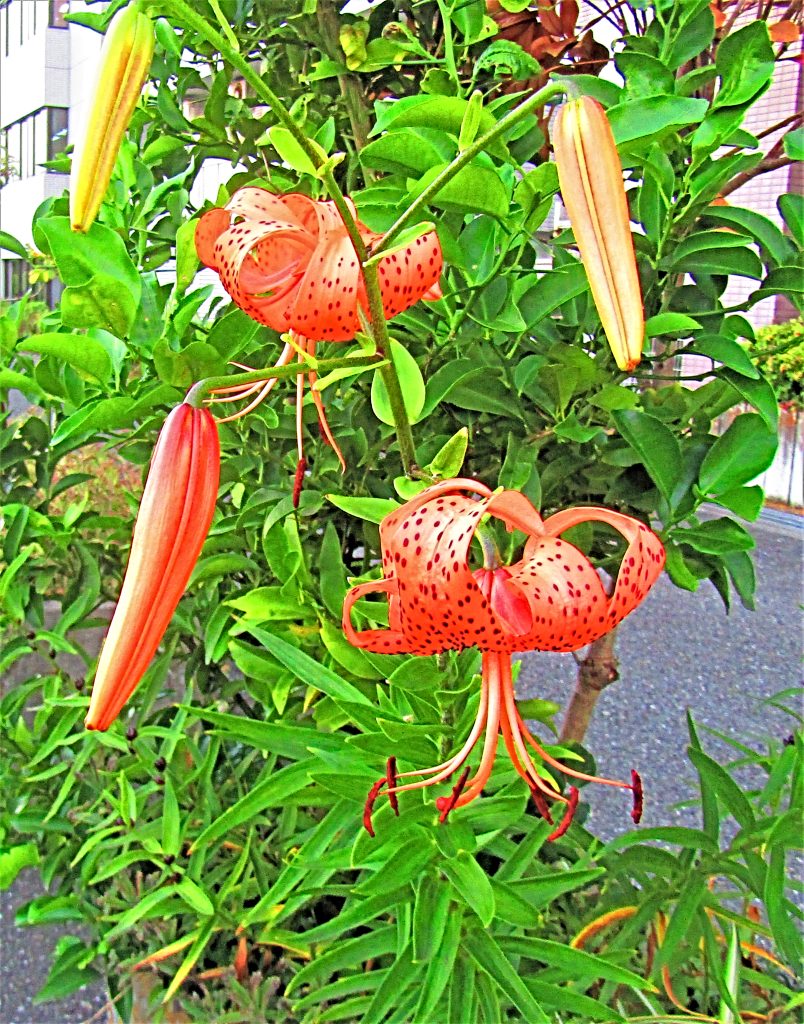
Tiger Lily
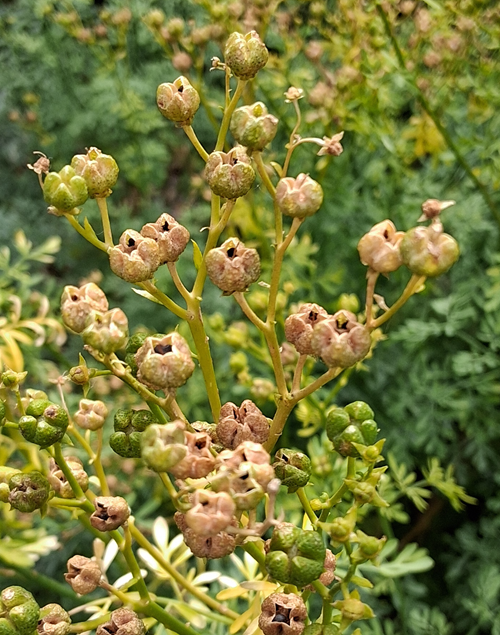
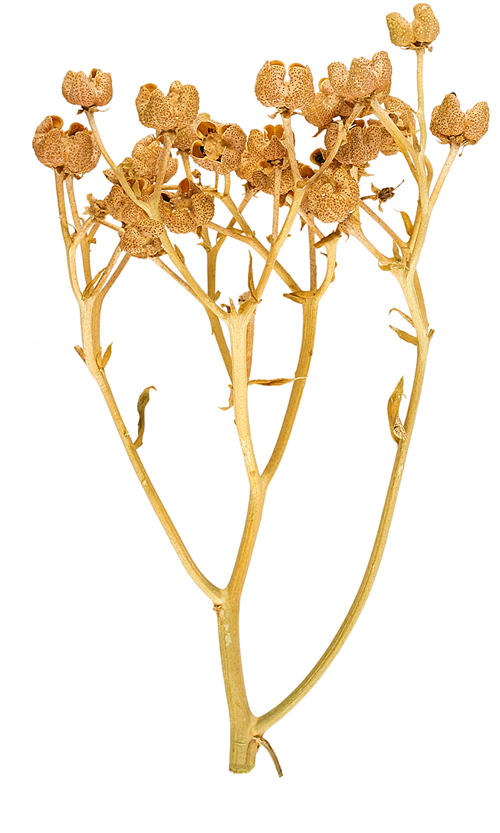
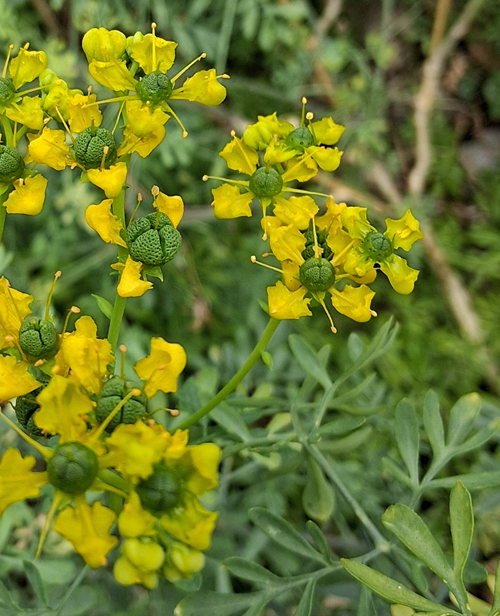
Ruta graveolens
Photographed at the Canterbury Cathedral’s herb garden.
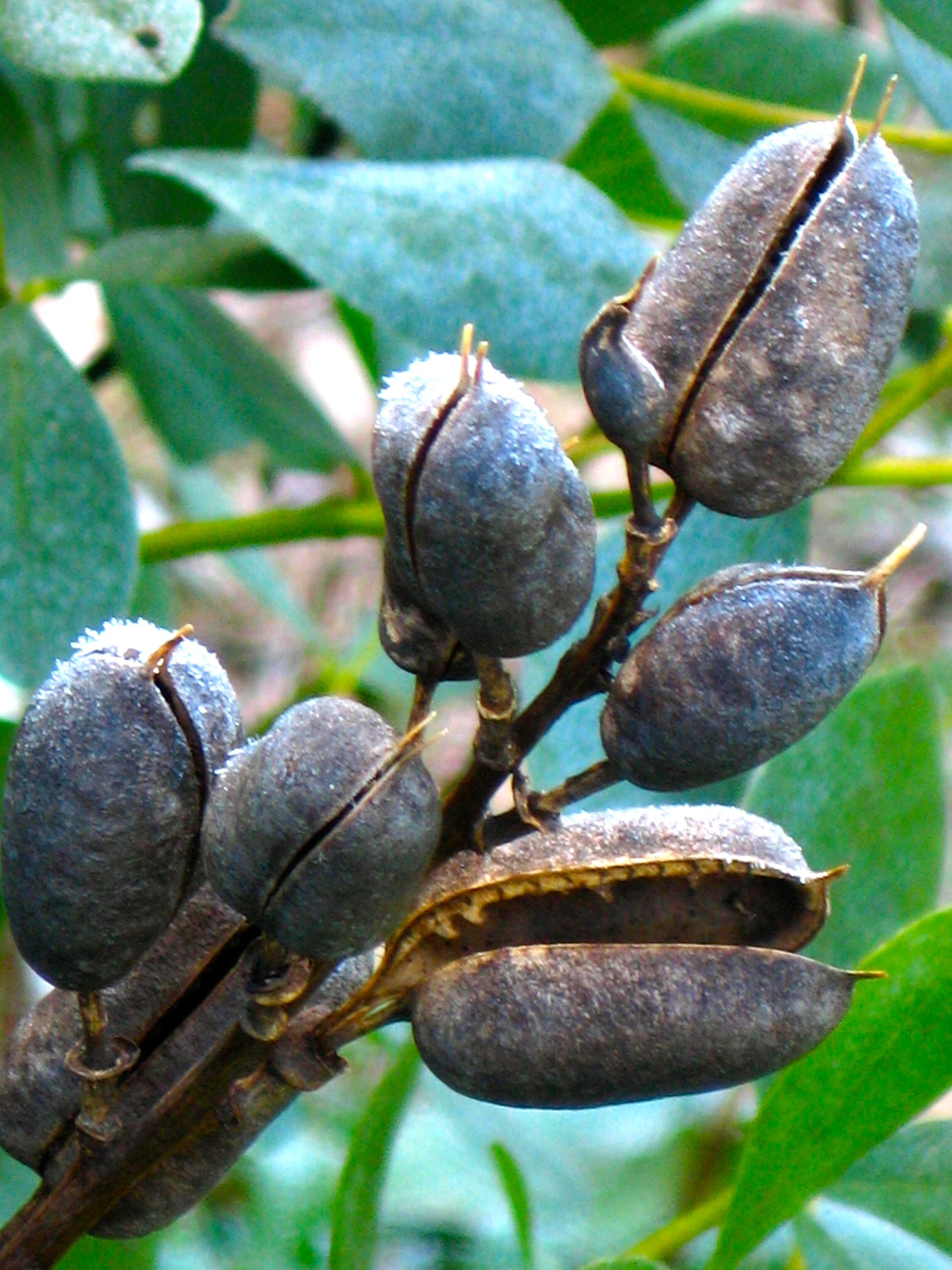
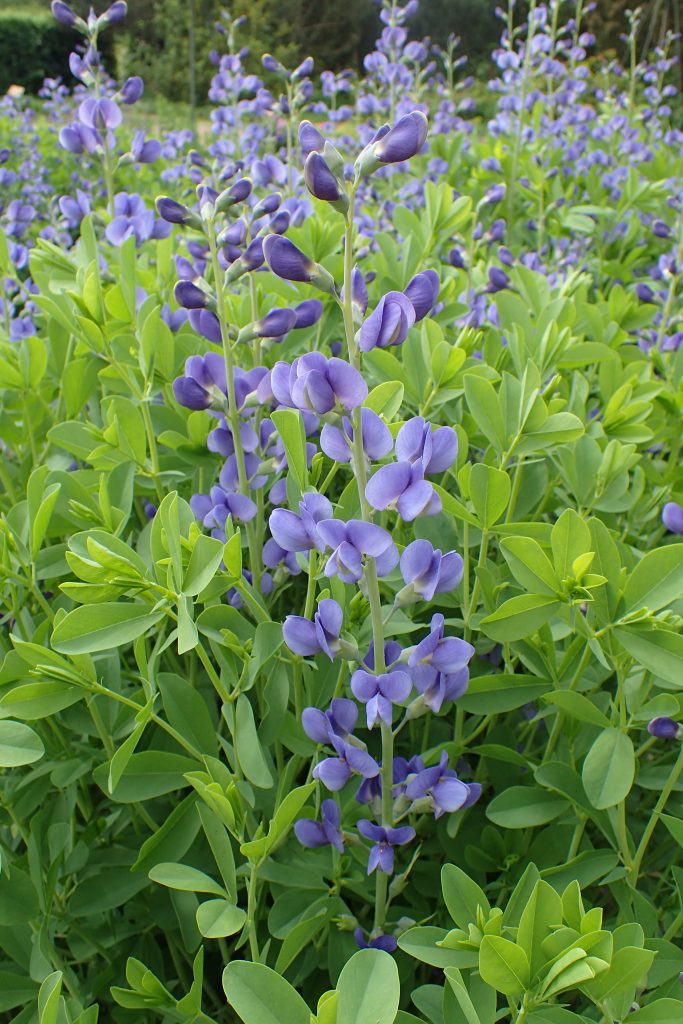
False indigo
Also known as Baptisia australis.
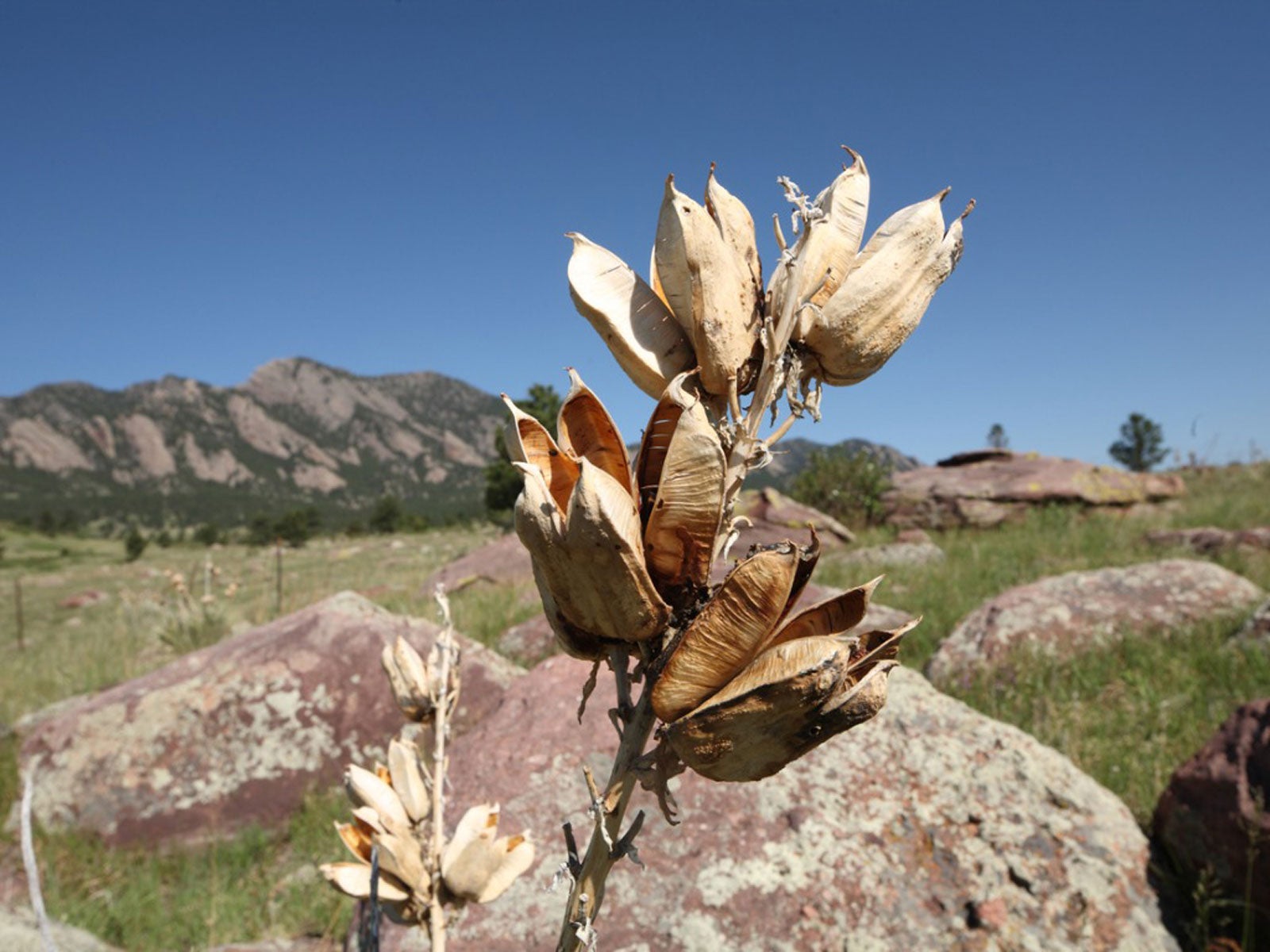
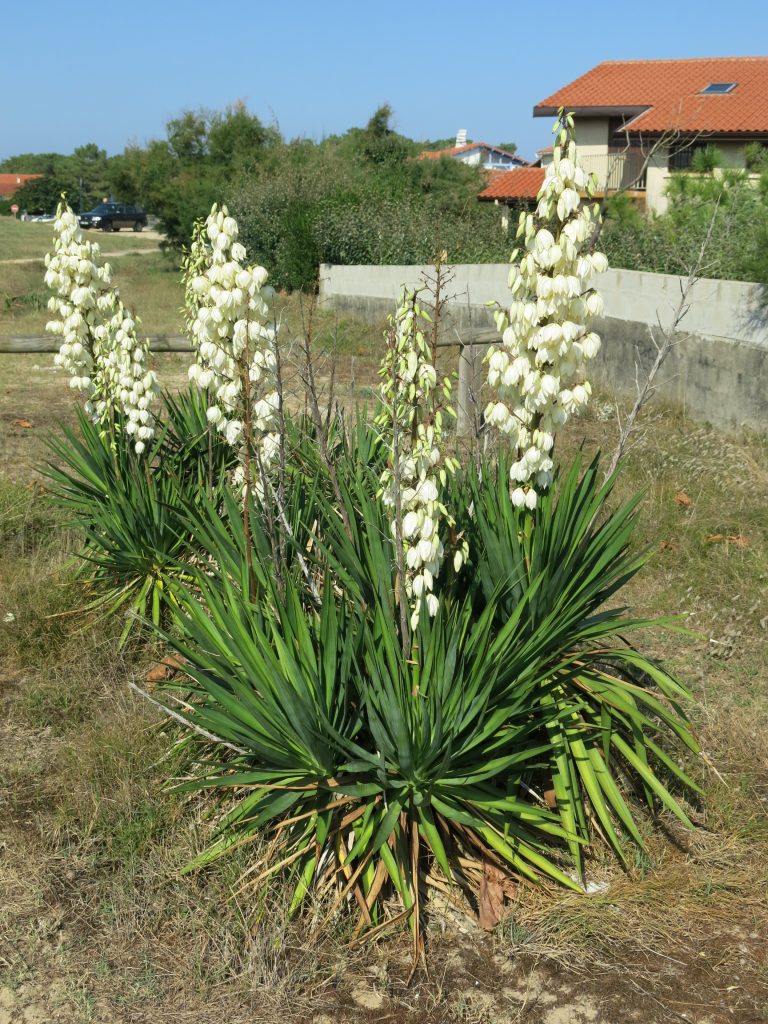
Yucca filamentosa
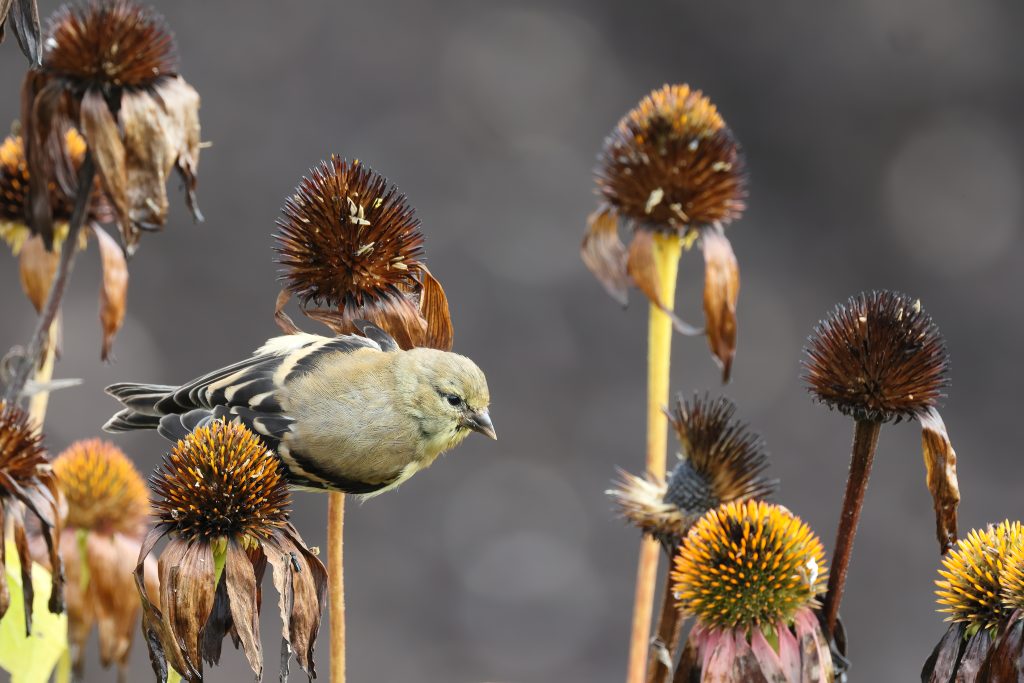
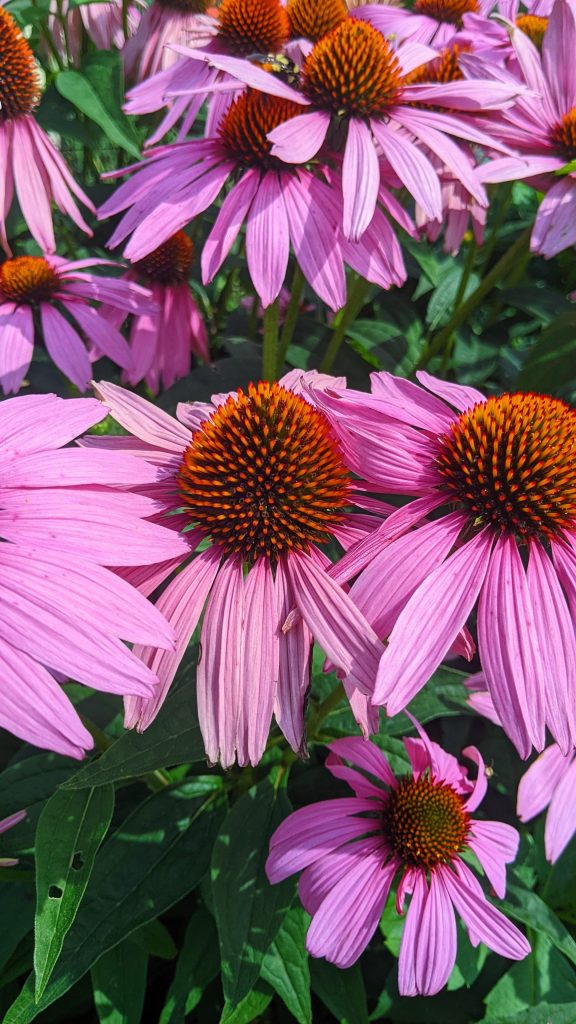
Purple Coneflowers / Echinacea
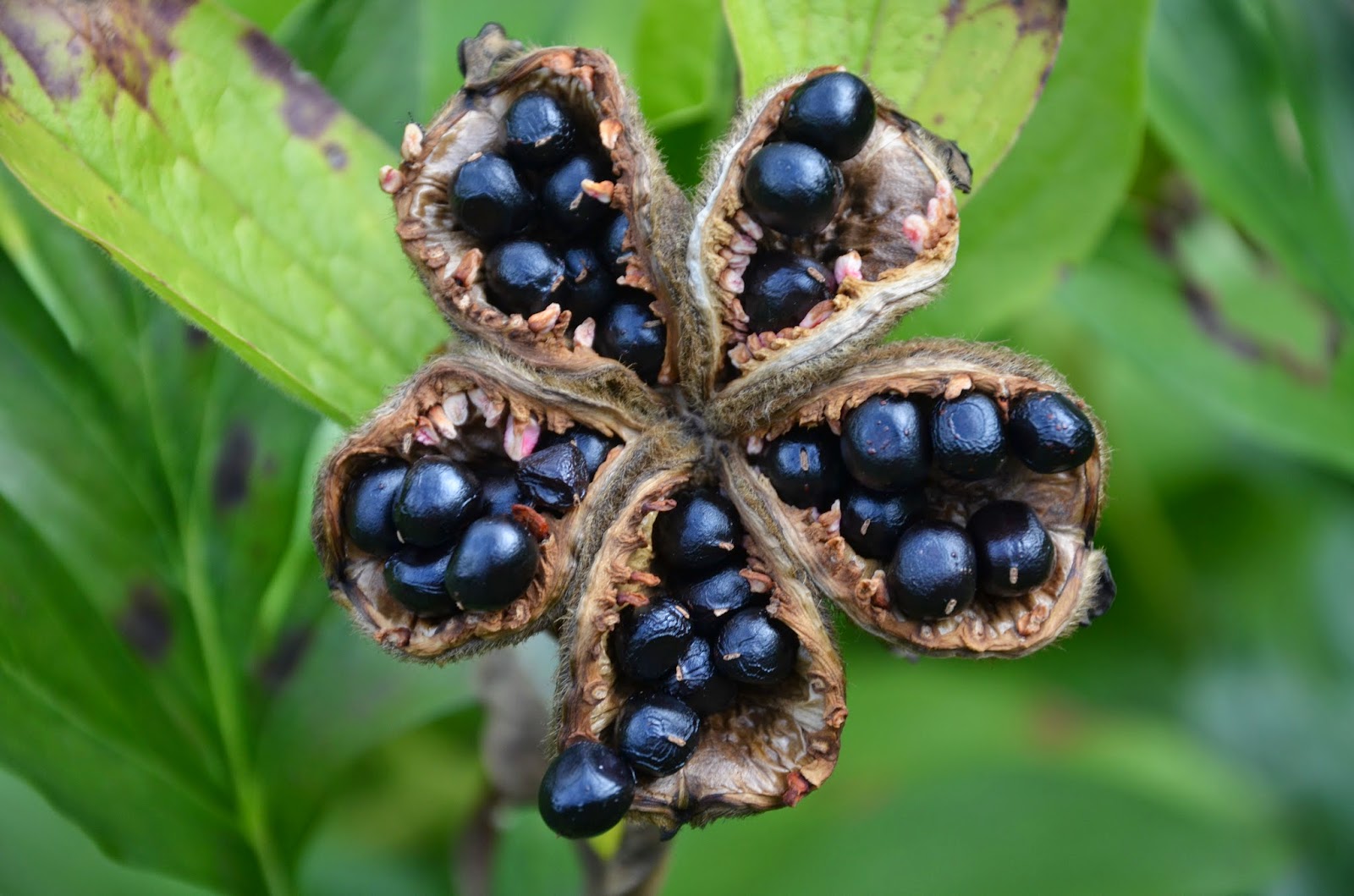
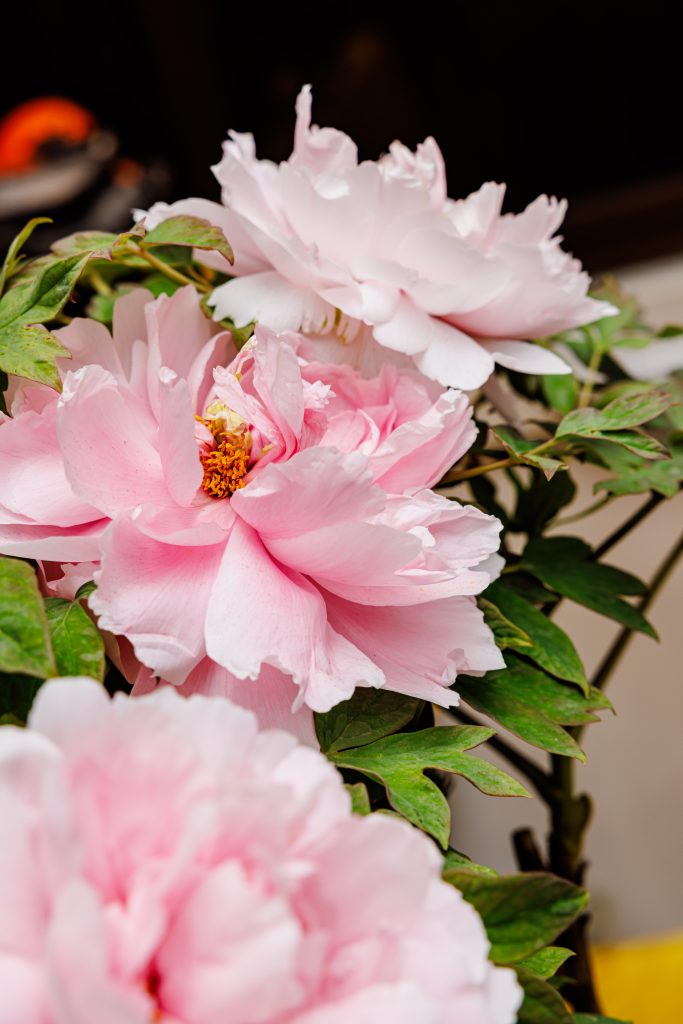
Peonies
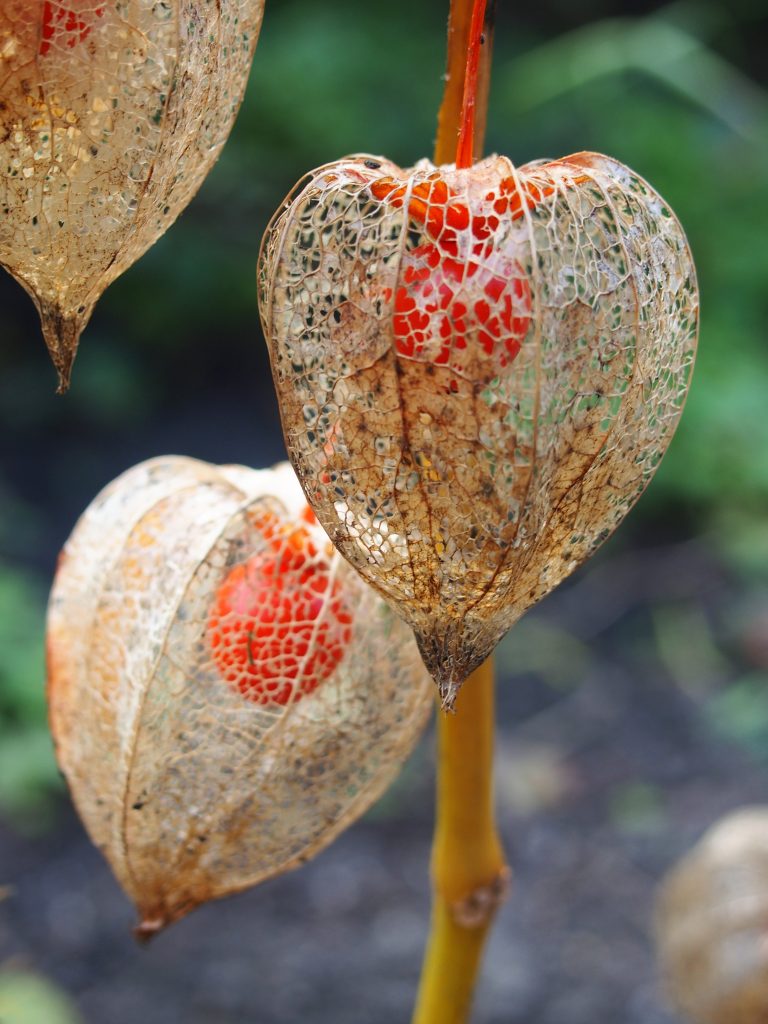
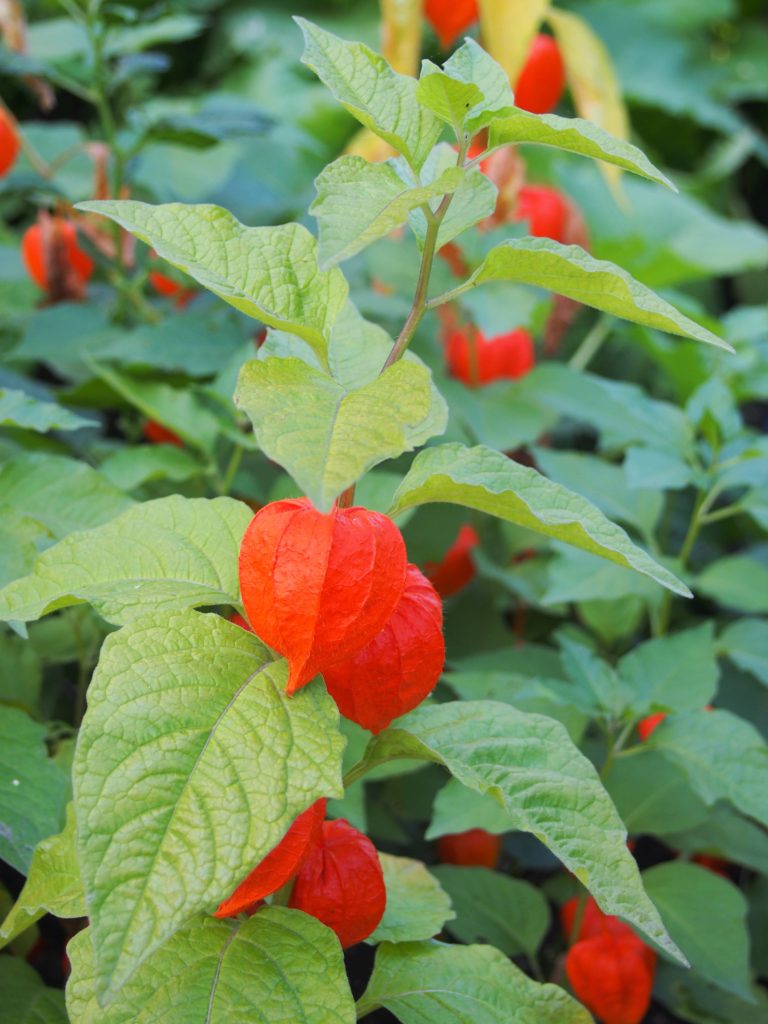
Physalis alkekengi
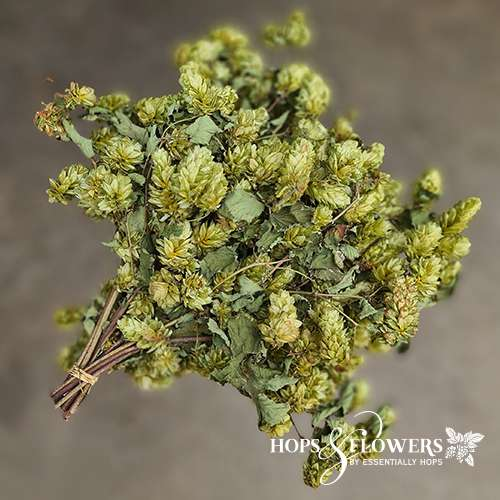
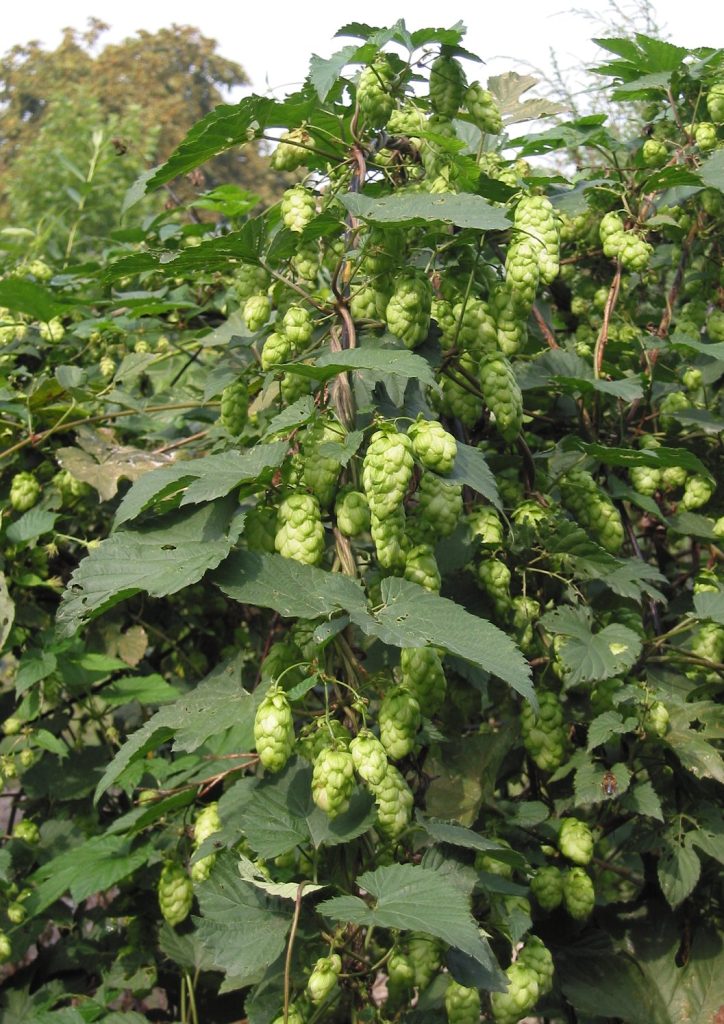
Hops (Humulus lupulus)
Hops are vine and, I believe, only the female flowers will have the distinctive look below. Keep in mind that many people get an itchy skin reaction when touching hops.
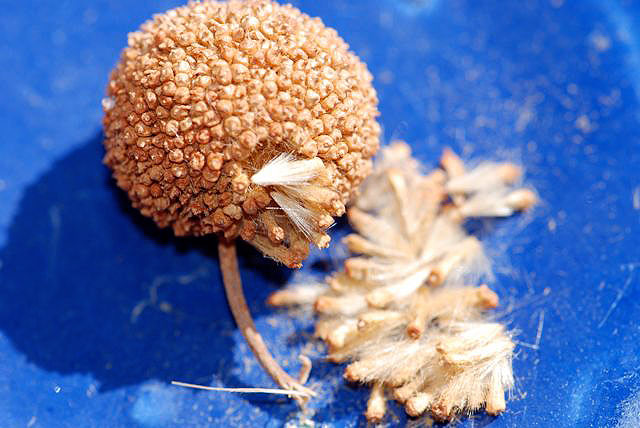
American sycamore (Platanus occidentalis)
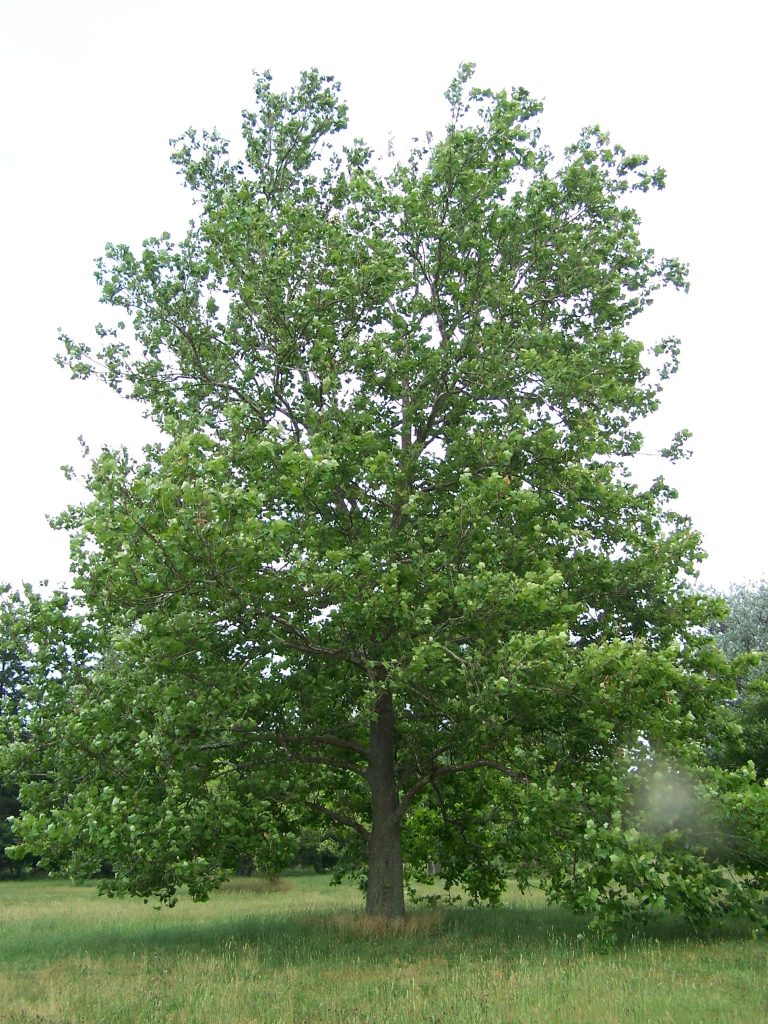
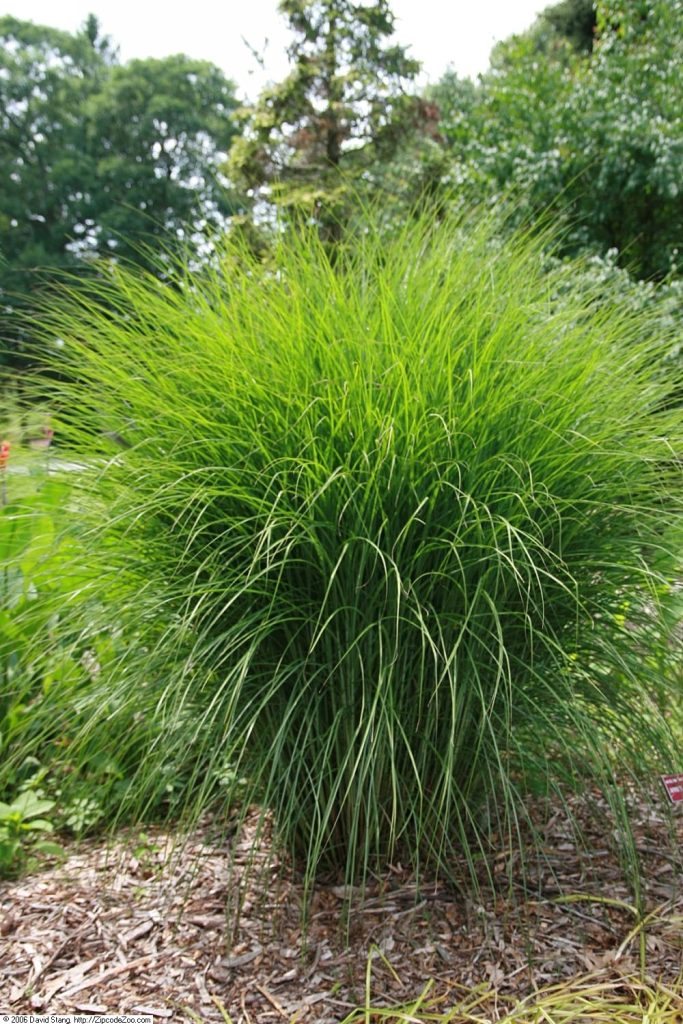
Miscanthus
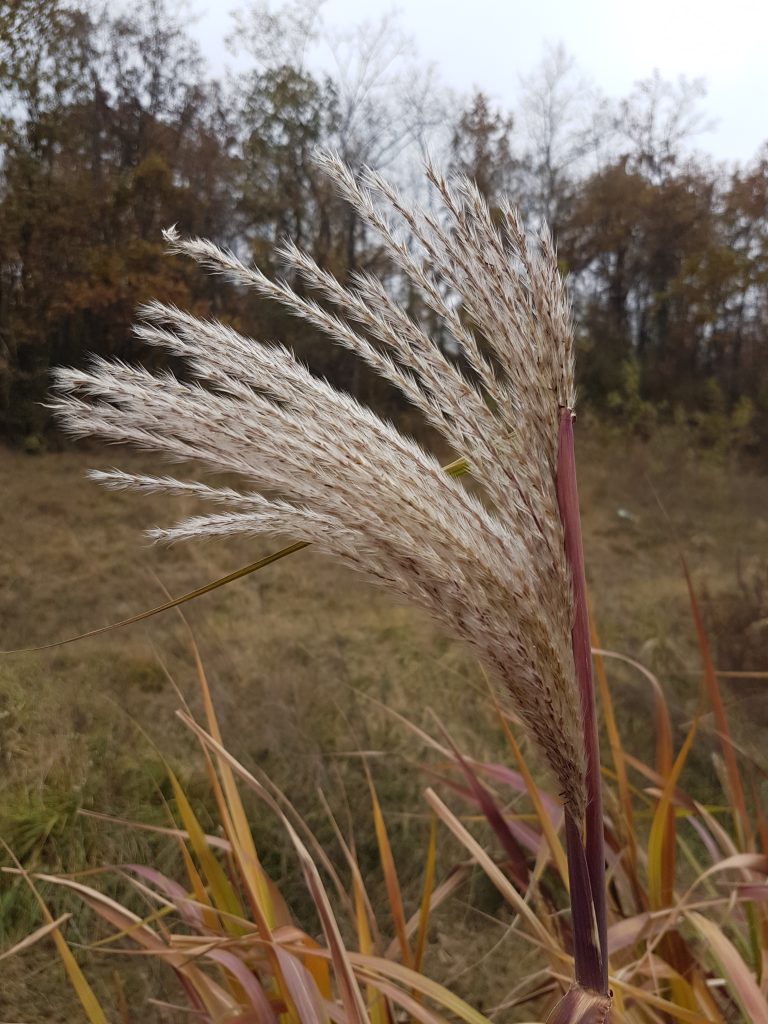
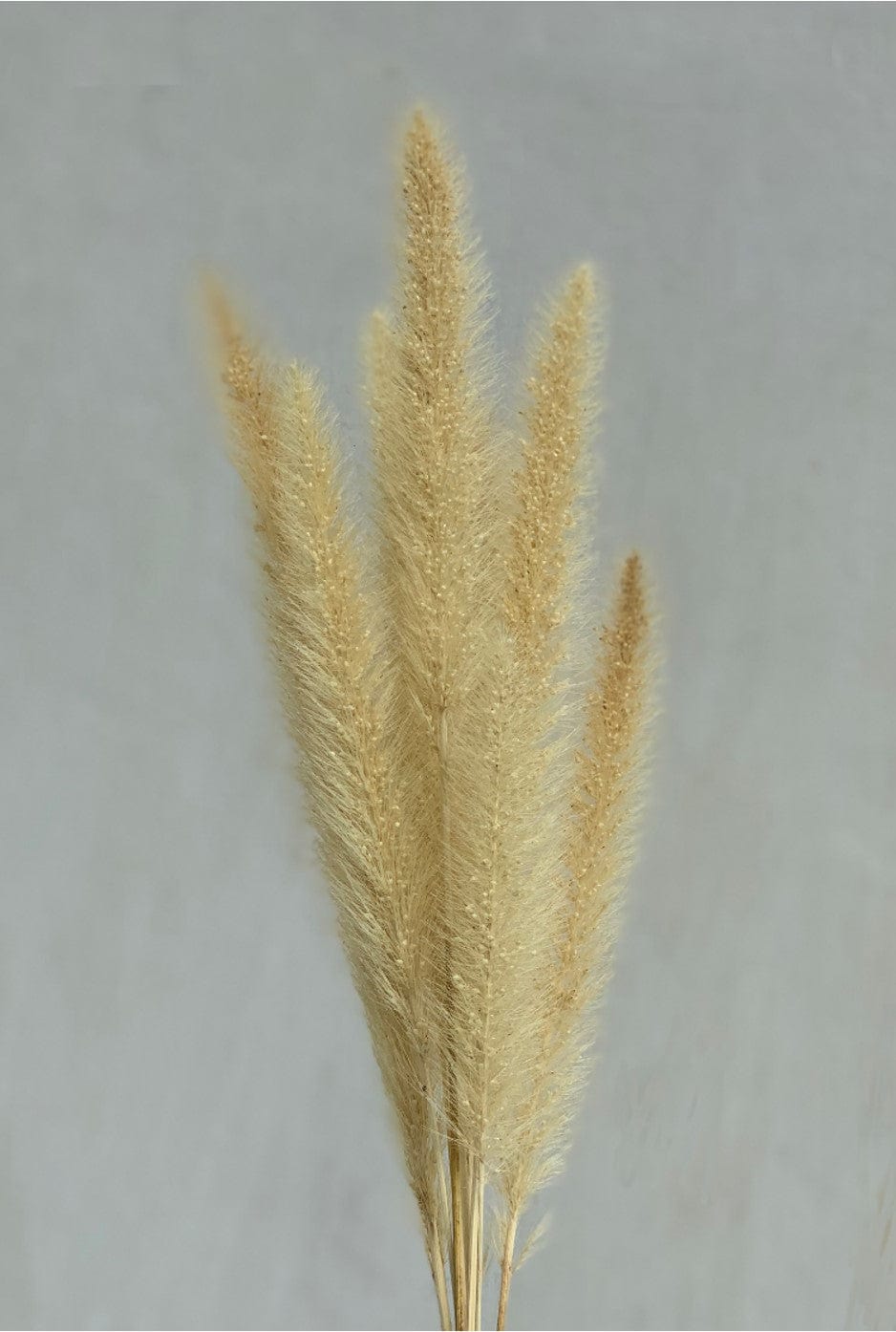
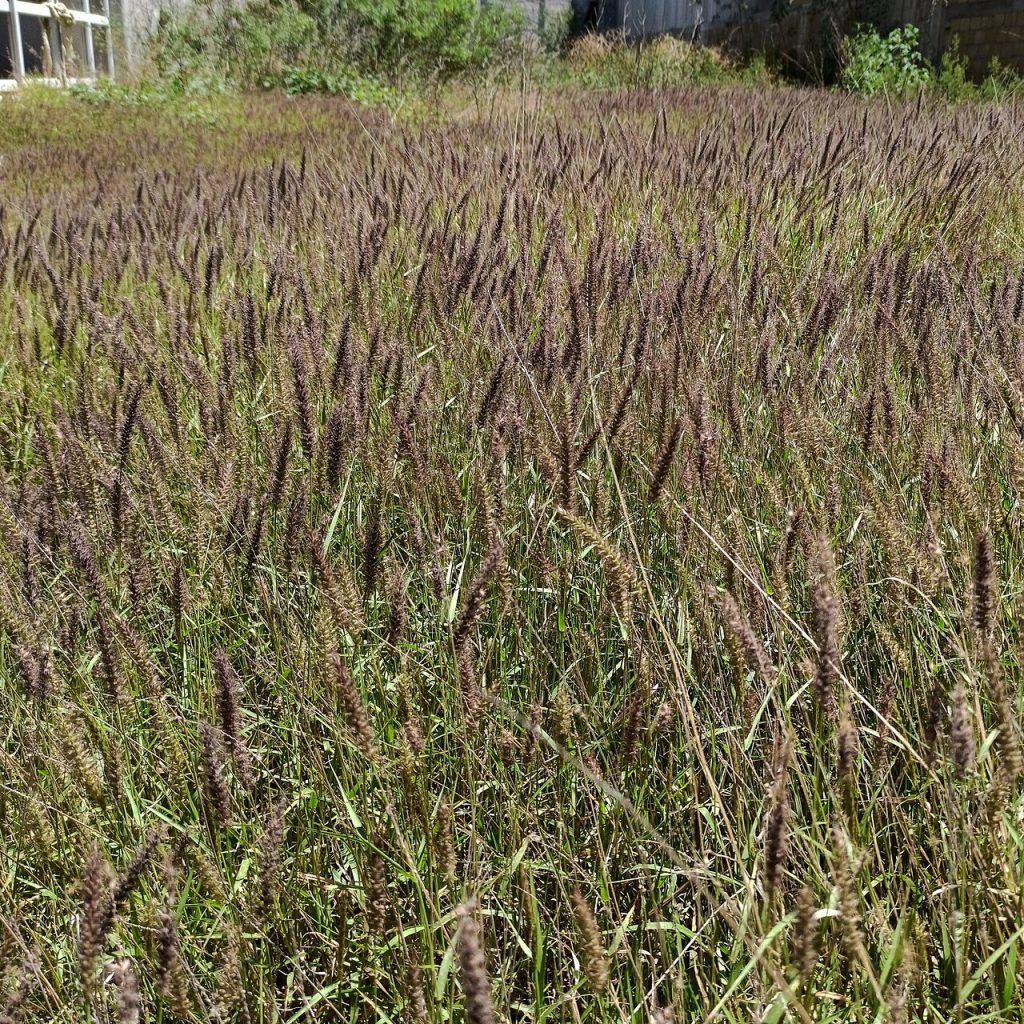
Pennisetum
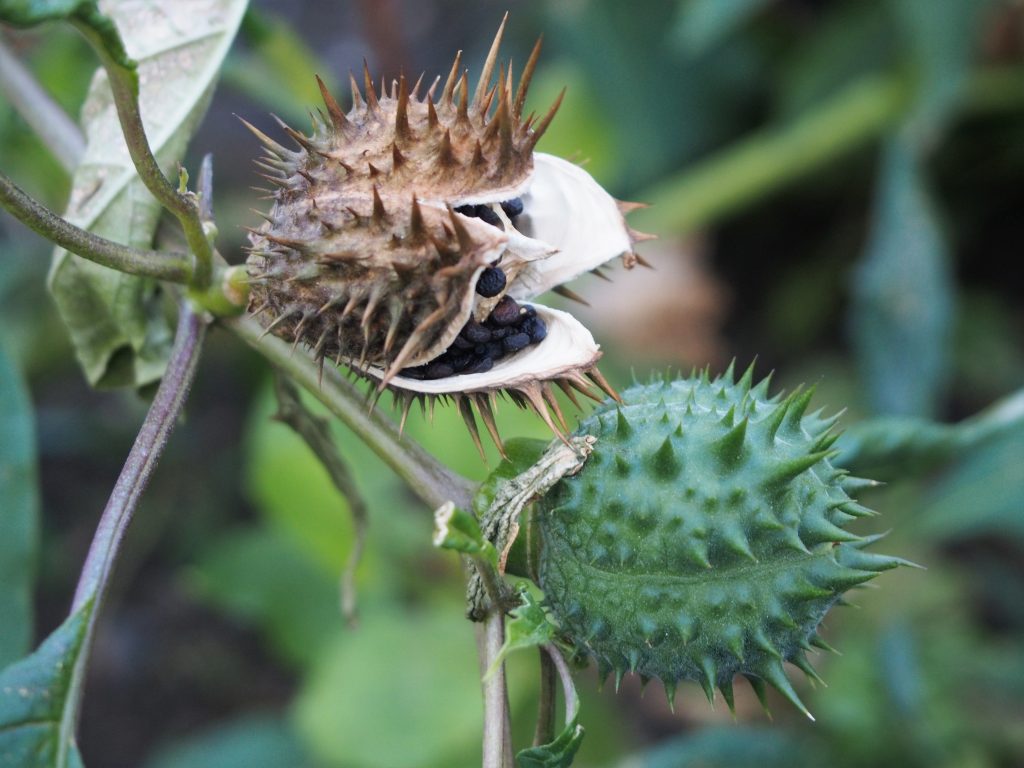
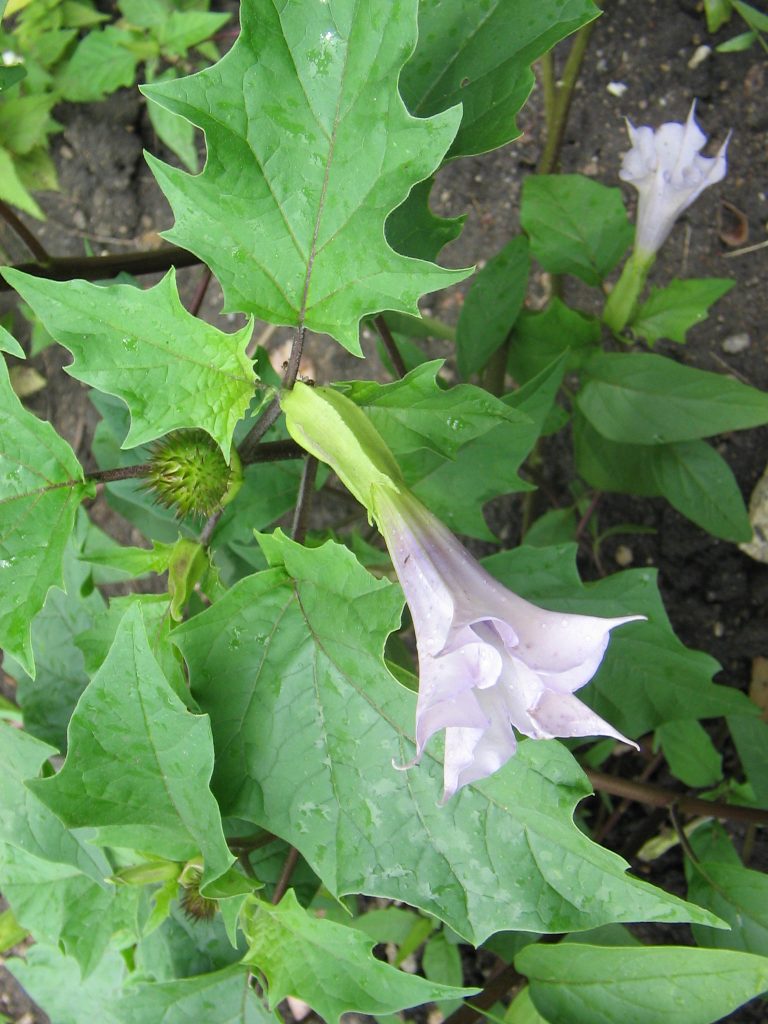
Jimson weed (Datura stramonium)
This plant is an aggressive invasive species in some regions so, before planting one, check if it is native to your location.
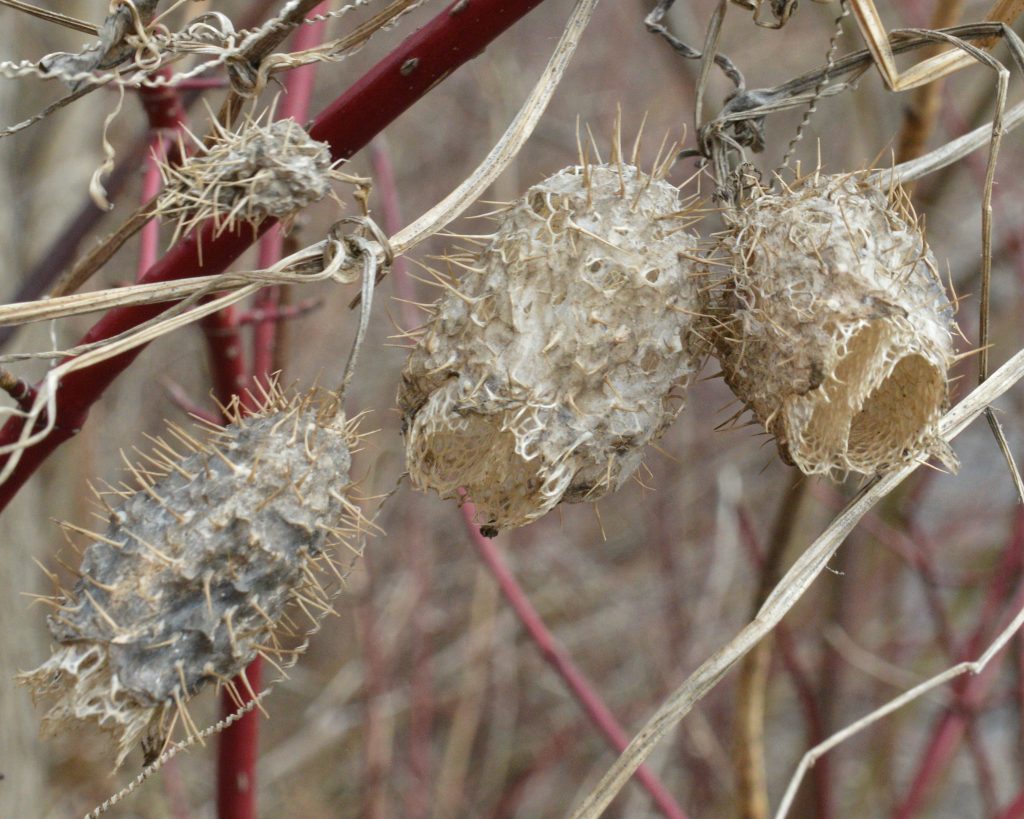
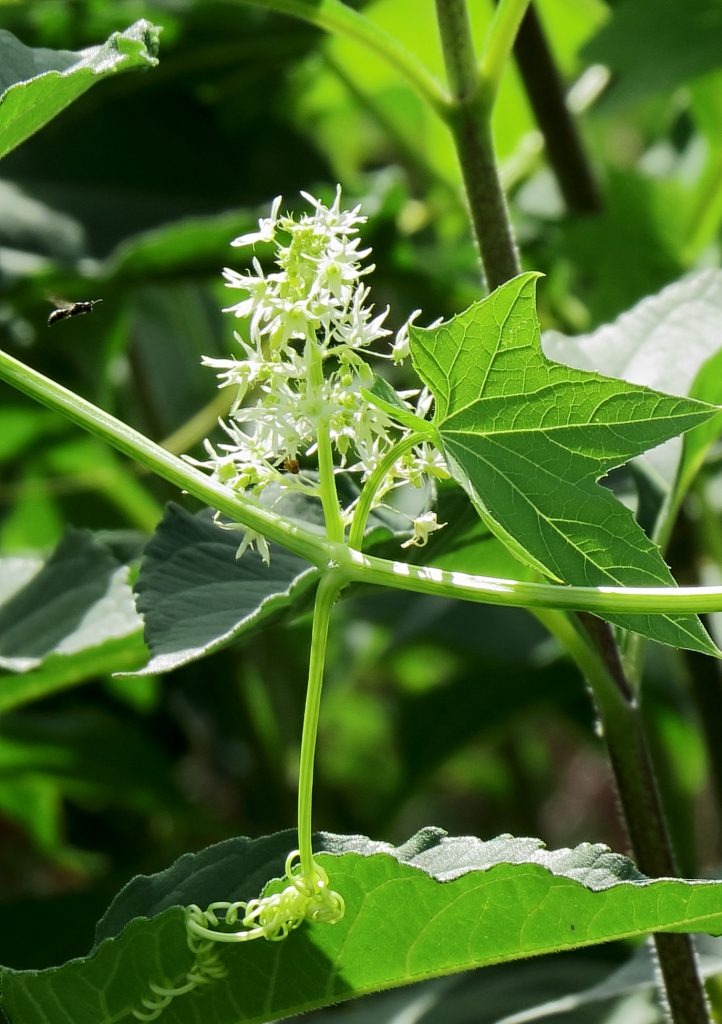
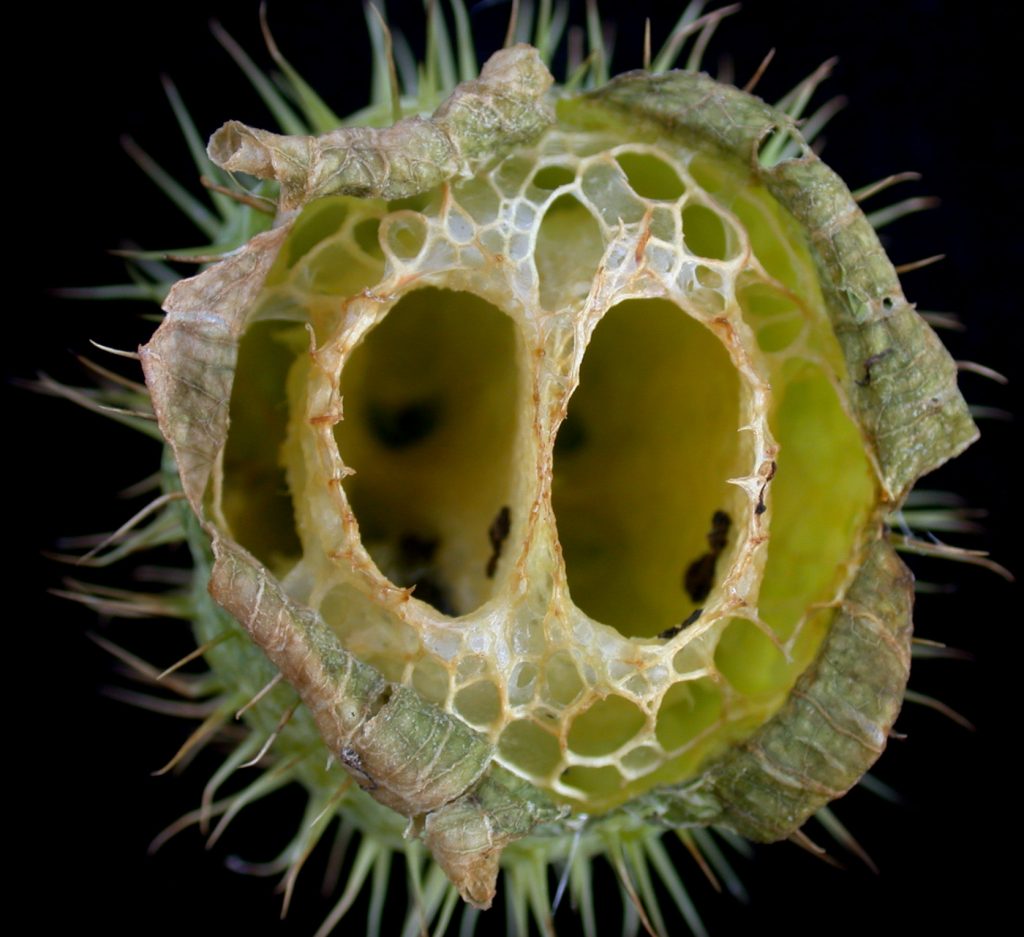
Wild cucumber
Also known as Echinocystis lobata, it is native to North America.
The Luffa plant is a little less aesthetically pleasing, but might be worth using for decorationl too.
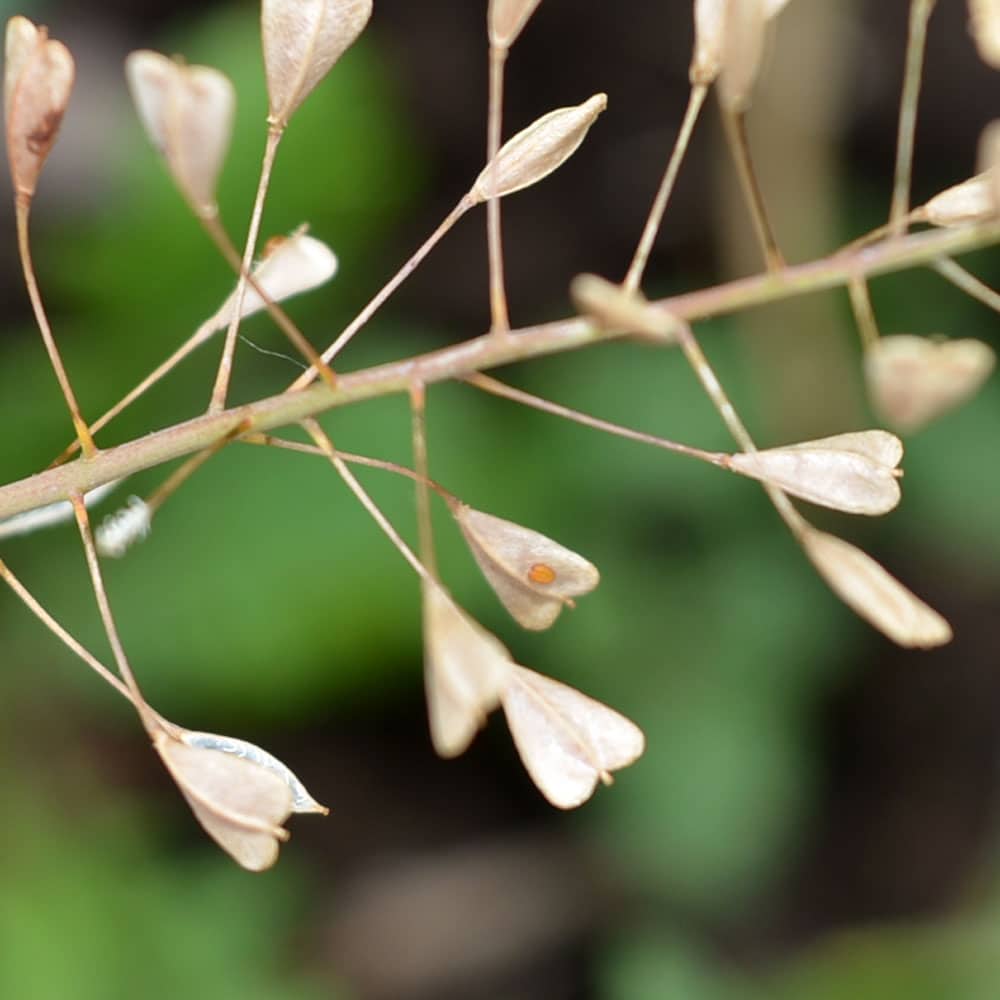
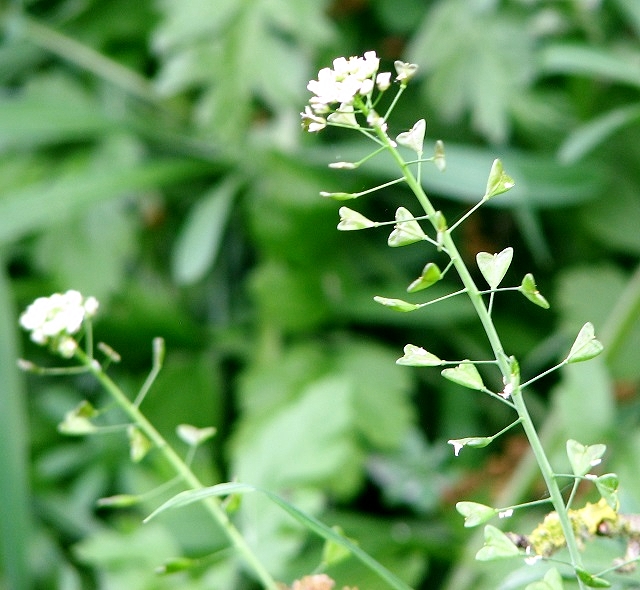
Shepherds purse
Also known as Capsella bursa-pastoris. This plant has beautiful heart-shaped leaves. It is in the mustard family, and is edible.
Additional resources to explore
More:
https://lovejoyfarms.com/
https://commons.wikimedia.org/wiki/Seeds
https://www.homesandgardens.com/gardens/best-plants-for-seedheads
https://8billiontrees.com/trees/tree-seed-pods-identification
https://education.teamflower.org/learn/growing/unique-flowers-for-dried-stem-production
https://www.statebystategardening.com/the-pods-of-posies/
https://garden.org/plants/ <- great plant database, look for Eryngium


